Water Heater Repair vs Replacement: How to Decide
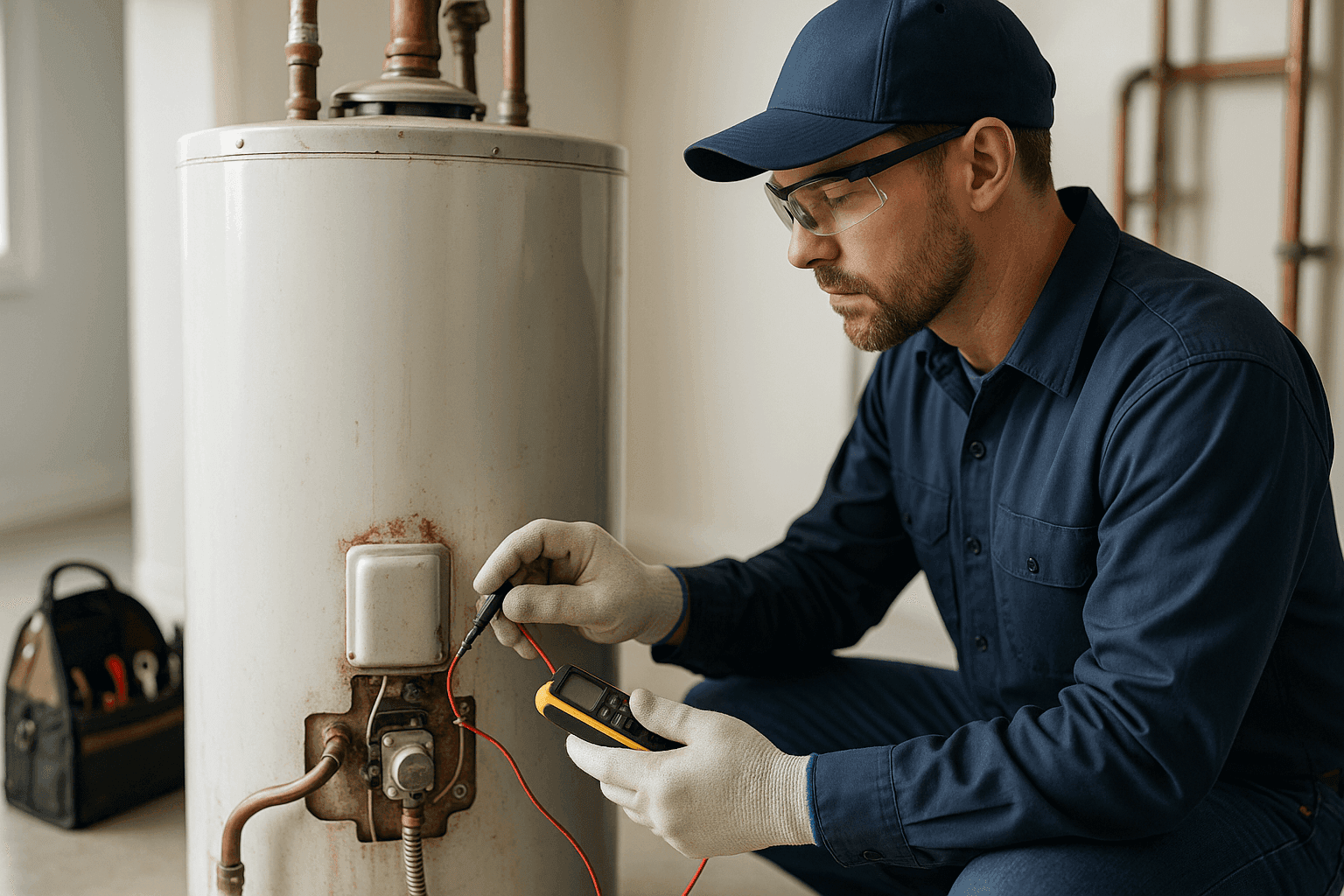
Does your shower turn icy just as you’re lathering up? Or maybe you've noticed puddles near the water heater, and the ticking worry in your mind just keeps getting louder. At Sarum Plumbing, we know these surprises can ruin more than just your morning—they can disrupt your whole day, or throw a business off schedule.
When you’re caught between another repair and biting the bullet for a new unit, the choice feels overwhelming. We’re here to walk you through it, step by step. No guesswork. No sales pitch. Just clear insight from licensed, certified, and insured professionals who handle pipe installation near you and emergency plumbing around the clock.
Signs Your Water Heater Needs Repair 🔧
Not every hiccup spells disaster. Sometimes your system just needs a little attention. Here are common signals your water heater needs a professional fix:
- Inconsistent Water Temperature: Fluctuates between hot and cold, but isn’t always cold.
- Strange Noises: Rumbling, popping, or banging from the tank.
- Reduced Hot Water Supply: Hot water runs out faster than usual.
- Discolored Water: Rusty or cloudy water coming from the hot tap.
- Small Leaks: Drips or puddles around the unit, especially from valves or fittings.
These symptoms often point to issues like sediment buildup, a failing thermostat, or a worn heating element. Many of these can be repaired quickly by an emergency plumbing technician, often restoring your comfort the same day.
Indicators It's Time for Replacement 🛑
Some problems run deeper. Like an old car that’s just not worth fixing anymore, water heaters sometimes reach the point where repair isn’t practical.
- Unit Age: Most tank water heaters last 8–12 years; tankless models, up to 20.
- Frequent Repairs: Needing service more than once a year.
- Major Leaks: Corrosion or cracks in the tank itself. (This is a sign the end is near.)
- Loss of Efficiency: Energy bills creeping up, or hot water just isn’t what it used to be.
- Outdated Technology: Older units missing modern safety features or not meeting current codes.
Tip: If your water heater is close to its expected lifespan and needs a costly repair, replacement may be the smarter move.
Age, Efficiency, and Cost Factors
Think of your water heater like a well-worn pair of shoes. Eventually, no patch or polish will make them comfortable or reliable. The same goes for your system:
- Under 8 Years: Repairs are usually cost-effective.
- 8–12 Years (Tank) or 15+ (Tankless): Weigh the price of repair against the cost of a new, more efficient unit.
- Energy Use: Newer models can cut utility costs by up to 20%, according to ENERGY STAR.
- Rebates: Modern replacements may qualify for energy rebates or incentives (always check local programs).
Comparing Long-Term Costs 💡
It’s not just the upfront price tag. Consider these long-term factors:
- Repair Costs: Small fixes (thermostats, valves) might run a few hundred dollars. Major repairs add up fast, especially if out of warranty.
- Replacement Costs: A new tank water heater—including installation—typically ranges from $1,200 to $2,500. Tankless units are pricier up front, but last longer and use less energy.
- Utility Bills: Older, inefficient units cost more to run. Replacing them can save money each month.
- Unexpected Downtime: Repeated breakdowns mean lost time and inconvenience for homes or businesses.
Bottom line: If repairs are more than half the price of a new unit, replacement is usually the better investment.
Choosing the Right Water Heater
Once you’re ready for a new unit, you’ll need to pick the right model for your space and usage. Here’s what to keep in mind:
- Tank vs. Tankless: Tanks provide a reservoir of hot water; tankless units heat water on demand. Tankless can supply endless hot water, but may require upgrades to gas or electrical lines.
- Size and Capacity: Too small, and you’ll run out of hot water. Too large, and you’ll pay to heat water you don’t use.
- Fuel Type: Gas, electric, or hybrid models are available. Each has different installation needs and costs.
- Efficiency Ratings: Look for ENERGY STAR-certified units for the best energy performance.
- Local Codes: Professional installation ensures compliance with building and safety regulations (see your local code authority or the International Association of Plumbing and Mechanical Officials for guidelines).
Decision Checklist
Before you decide, ask yourself:
- How old is my current water heater?
- Am I facing repeated repairs?
- Is the tank leaking or corroded?
- Are my energy bills increasing?
- Do I need more hot water than my current system can provide?
- Am I planning to stay in my home or business long-term?
If you answer “yes” to more than one, replacement may be the right call.
Typical Costs: Repair vs. Replacement
- Minor Repairs: $150–$400 (thermostat, valve, small leaks)
- Major Repairs: $500–$900 (element replacement, extensive labor)
- Replacement (Tank): $1,200–$2,500 (including labor)
- Replacement (Tankless): $2,500–$4,500 (including installation upgrades)
Note: Costs vary based on unit type, labor, and materials. Always check for permit and inspection requirements in your area.
Quick Safety Checklist ⚠️
Your safety comes first. When you notice water heater trouble:
- Turn off power or gas to the unit (follow the manufacturer’s instructions).
- Shut off the water supply if you see excessive leaking.
- Avoid standing water—especially if near electrical outlets.
- Don’t attempt gas line repairs yourself.
- Call a licensed, insured plumber for emergency plumbing needs.
Comparing Tank and Tankless Units
- Tank Heaters: Lower upfront cost. Require more space. Typically last 8–12 years. Hot water can run out during heavy use.
- Tankless Heaters: Higher initial cost. Last 15–20 years. Take up less space. Unlimited hot water, but may need upgraded gas/electric lines.
When to Call Emergency Plumbing
Certain situations call for immediate help:
- Major leaks or flooding.
- Gas smell near the unit.
- No hot water in a commercial setting (restaurants, clinics, etc.).
- Visible sparks or smoke.
Licensed technicians at Sarum Plumbing are certified for emergency plumbing, gas safety checks, and all local code requirements.
FAQ
How often should I flush my water heater?
Most manufacturers recommend flushing tank units once a year to prevent sediment buildup.
Can I upgrade to a tankless water heater from a tank model?
Yes, but it may require changes to your gas or electric supply. Consult a licensed plumber.
What are the signs of a dangerous water heater issue?
Sulfur smell (gas leak), popping noises, or visible corrosion are all red flags. Turn off the unit and call for help.
Is it better to repair or replace if I’m selling my house soon?
If your unit is older or unreliable, replacement can add value and peace of mind for buyers.
Local and Seasonal Considerations
Cold snaps and seasonal changes can strain your water heater. In winter, older units are more likely to fail. Hard water areas may need more frequent maintenance (ask about water filtration systems and preventative maintenance for lasting performance).
For commercial buildings, regular inspections and backflow prevention are often required by local health and safety codes. Sarum Plumbing is fully licensed, insured, and up-to-date on industry certifications.
When your hot water stops flowing, you need quick answers and real solutions. Whether you’re looking for pipe installation near you, emergency plumbing, or guidance on your next water heater, Sarum Plumbing is here for you—day or night.
Call Sarum Plumbing now — or reach us anytime at 888-344-8562 .