Pipe Installation 101: What Homeowners Need to Know
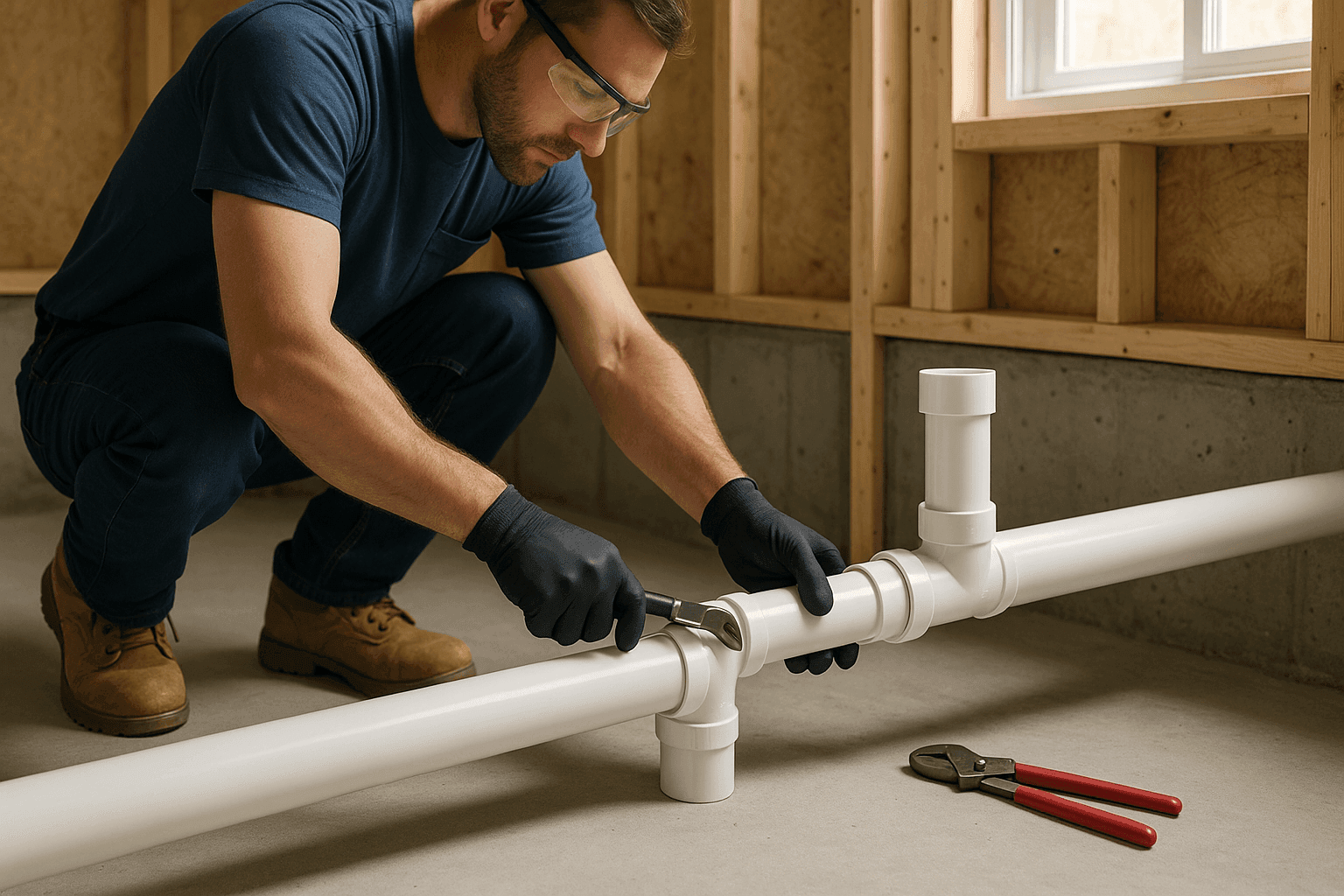
Pipe installation isn’t something most homeowners think about—until they have to. Maybe you’ve spotted a leak, you’re renovating a kitchen, or your water bills are through the roof. Whatever brings you here, you know water always finds a way. At Sarum Plumbing, we’ve seen firsthand how a simple pipe problem can snowball fast.
Pipes are the veins of your home or business. Choose the wrong material or do the job halfway, and you’re asking for trouble. Let’s break down what every homeowner should know before starting a pipe installation project.
Choosing the Right Pipe Material (PEX, Copper, PVC) 🛠️
Pipe material is like the foundation for a house—get it wrong, and nothing else matters. Here’s a quick guide to the three most common types:
PEX (Cross-linked Polyethylene)
- Pros: Flexible, easy to install, fewer connections (which means fewer chances for leaks), and resistant to freezing.
- Cons: Can’t be used outside (UV breaks it down), and some local codes limit its use.
- Best for: Residential repiping, new builds, and areas prone to cold.
Copper
- Pros: Long-lasting, handles high pressure, bacteria-resistant, and recyclable.
- Cons: Expensive, can corrode if water is acidic, and installation requires special tools (soldering).
- Best for: Older homes, visible plumbing, and places where durability matters.
PVC (Polyvinyl Chloride)
- Pros: Affordable, lightweight, won’t corrode, and easy to cut.
- Cons: Not for hot water lines, can get brittle in sunlight, and isn’t as flexible as PEX.
- Best for: Drain lines, vent pipes, and cold water supplies.
Quick tip: Always check local codes before making a choice. Some cities have strict rules about what you can use and where.
Pipe Installation Process
Every successful pipe installation starts with a plan. Rushing in is like building a puzzle without the picture. Here’s how the process unfolds:
- Assessment: Figure out what you need—repair, replacement, or a whole new setup.
- Material Selection: Choose pipes that fit your home, budget, and local codes.
- Layout Planning: Map the route. Avoid sharp turns and cramped spaces.
- Cutting & Fitting: Measure twice, cut once. Install with the right fittings and connectors.
- Securing: Attach pipes to studs or joists to prevent movement and banging.
- Testing: Pressurize the system and check for leaks before closing up walls or floors.
- Cleanup: Remove debris and make sure everything is up to code.
A smart installation isn’t just about getting water from A to B. It’s about preventing future headaches.
DIY vs Professional Installation
Should you grab a wrench or call for pipe installation near you? It depends.
DIY:
Small repairs, like changing an exposed section or swapping a faucet, might be manageable. But if you’re replacing long runs, cutting into walls, or dealing with gas lines, it’s easy to get in over your head.
Professional Installation:
Plumbers—like the team at Sarum Plumbing—bring experience, tools, and an understanding of building codes. For emergency plumbing, time is money (and water damage), and a pro gets it done right the first time.
Permits and Codes
Plumbing isn’t the Wild West. Towns and cities have rules for a reason—safety. Most major installations require permits. Inspections ensure everything’s up to local and national codes (like the IPC or Uniform Plumbing Code).
Skipping this step can mean fines, failed inspections, or even insurance headaches if something goes wrong later.
Common Pipe Installation Mistakes 🚧
Some mistakes are easy to spot—others hide until it’s too late. Here’s what we see most often:
- Wrong pipe for the job: Mixing materials (like copper and galvanized steel) can cause corrosion.
- Poor connections: Loose fittings lead to leaks. Overtightening can crack pipes.
- Skipping supports: Pipes need to be anchored or they’ll rattle, loosen, and wear out.
- Ignoring slope: Drain lines need the right pitch for water to flow.
- Not testing: Always run water and check for leaks before finishing up.
A little attention up front saves a lot of grief down the road.
Quick Safety Checklist
- Turn off the main water supply before starting.
- Wear gloves and eye protection.
- Use the right tools for each pipe material.
- Ventilate if soldering or using adhesives.
- Check for hidden wiring before cutting into walls.
- Know where your shut-off valves are in case of emergency.
FAQ: Homeowner Pipe Installation Questions
Q: How long does it take to install new pipes?
A: For a single bathroom, expect a day or two. Full home repiping can take a week or more, depending on complexity and access.
Q: Will I need a permit for pipe installation?
A: Most cities require permits for new installations or major changes. Always check with your local building department or ask your plumber.
Q: Can I mix different pipe materials?
A: Sometimes, but only with proper connectors (called dielectric unions). Mixing without them can lead to corrosion.
Q: What are signs I need new pipes?
A: Discolored water, low pressure, frequent leaks, and visible corrosion are all red flags.
Local and Seasonal Considerations ❄️
Climate matters. In colder regions, pipes need insulation or must be kept away from exterior walls to prevent freezing. Hard water areas may benefit from water filtration systems or pipe materials that resist scale buildup.
Always talk to a local professional who understands your area’s unique plumbing challenges.
Final Thoughts
Pipe installation isn’t just a technical task—it’s peace of mind. The right choices now can prevent messy, expensive emergencies later. If you’re facing a tough repair, planning a remodel, or need emergency plumbing help, Sarum Plumbing is here for you.
Call Sarum Plumbing now — or reach us anytime at 888-344-8562 .