Complete Guide to Water Heater Repair and Maintenance
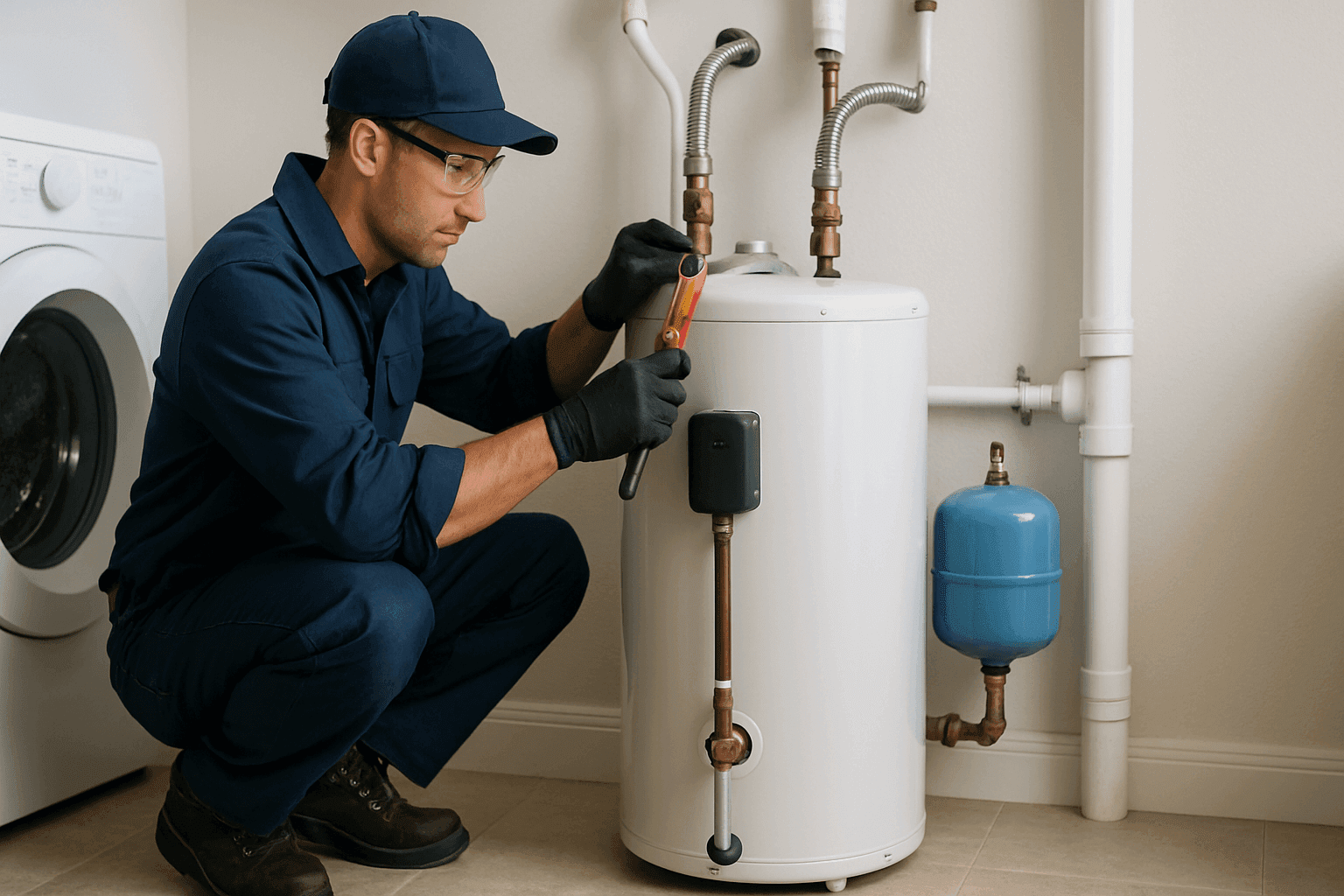
When your morning shower turns icy, or you find a puddle around your water heater, panic can set in fast. At Sarum Plumbing, we get it—hot water should be simple, safe, and reliable. Whether you’re running a busy household or keeping your business open, water heater trouble is a headache you don’t need.
But you don’t have to face it alone. Our certified specialists handle emergency plumbing calls 24/7, and this guide will walk you through what to watch for, what you can do, and when it’s time to bring in a pro.
Signs Your Water Heater Needs Attention
Think of your water heater as the heart of your plumbing system. When it skips a beat, you’ll notice. Here are common warning signs your unit may be in trouble:
- Strange noises: Banging, popping, or rumbling sounds usually mean sediment is building up in the tank.
- Leaks or puddles: Water around the base can be a sign of a failing tank or loose fittings.
- Inconsistent hot water: If your showers run hot, then cold, then hot again, something’s off.
- Discolored or smelly water: Rusty or rotten-egg smells point to corrosion or bacteria inside the tank.
- Low water pressure: Sediment or mineral buildup can clog lines and reduce flow.
- Visible rust or corrosion: Any rust on pipes, valves, or the tank itself is a red flag.
Ignoring these signs is like ignoring your car’s check engine light. Small problems can snowball into major emergencies—especially if you need pipe installation near you on short notice.
Quick Safety Checklist ⚡
Before you poke around your water heater, safety comes first. Here’s what to check:
- Turn off power: For electric units, switch off the breaker. For gas, set the thermostat to “pilot.”
- Shut off water supply: Use the cold water valve above the unit.
- Check for gas smells: If you sniff rotten eggs, leave the area and call a licensed technician. Gas leaks are serious.
- Wear gloves and eye protection: Hot water and sediment can burn or irritate skin.
- Read the manufacturer’s label: Every model has quirks—don’t skip the details.
According to the International Association of Plumbing and Mechanical Officials (IAPMO), these steps help prevent accidents and keep your home or business safe.
Troubleshooting Flowchart
Not sure what’s wrong? Follow this step-by-step path:
No hot water?
- Electric: Check circuit breaker. Reset if needed.
- Gas: Check pilot light. Relight per manufacturer’s instructions.
Water too hot or not hot enough?
- Adjust thermostat to 120°F (the U.S. Department of Energy’s recommended setting).
- Still off? Sediment or faulty thermostat may be to blame.
Strange noises?
- Flush the tank to remove buildup.
Leaks?
- Tighten fittings. If leaking from the base, the tank may be failing.
Rusty/discolored water?
- Inspect the anode rod.
If you hit a dead end or see water pooling, stop and call Sarum Plumbing’s emergency plumbing team.
DIY Maintenance: What You Can Safely Do
Some tasks are simple and keep your water heater humming longer. Here’s what you can handle with basic tools:
Flushing the Tank
Over time, sediment and minerals settle at the bottom, making your heater work harder. Flushing it once or twice a year keeps things efficient.
- Turn off power/gas and water supply.
- Attach a garden hose to the drain valve.
- Open the valve and let water flow until it runs clear.
- Close valve, remove hose, and refill tank before restoring power.
Checking the Anode Rod
This metal rod sacrifices itself to prevent rust inside your tank. If it’s worn down to less than half an inch, it’s time to replace.
- Turn off water and power/gas.
- Unscrew the rod from the top of the tank (you’ll need a socket wrench).
- Inspect for heavy corrosion.
Other Simple Checks
- Test the pressure relief valve—lift the lever and let it snap back. A healthy valve releases a short burst of water.
- Make sure your thermostat is set to no more than 120°F for safety and efficiency.
Tip: Always check your owner’s manual for step-by-step pictures and model-specific advice.
When to Call a Technician
Some problems are like icebergs—you only see a fraction. Here’s when to let Sarum Plumbing step in:
- Any sign of gas leaks or electrical problems
- Leaks from the tank itself (not just pipes or fittings)
- Unexplained spikes in energy bills
- Water that stays cold no matter what
- Recurring pilot light issues
Our certified water heater specialists know current plumbing codes and handle all major brands, so your warranty stays intact.
Tank vs. Tankless: What’s Different?
Not all water heaters play by the same rules. Here’s how care needs differ:
Traditional Tank Units
- Regular flushing: Prevents sediment buildup.
- Anode rod checks: Essential for rust prevention.
- Insulation: Adding a tank jacket can boost efficiency.
Tankless (On-Demand) Units
- Descaling: Minerals can clog the heat exchanger. Annual descaling is a must, especially with hard water.
- Filter cleaning: Many units have inlet screens that need cleaning every 6–12 months.
- Venting inspections: Proper airflow is critical for safety.
Tankless units last longer with less space—but they’re pickier about maintenance. Sarum Plumbing’s team is trained for both.
What Pros Do On Arrival
When you call for emergency plumbing or scheduled care, here’s what to expect:
- Inspect the unit and surrounding pipes
- Use thermal cameras and moisture meters for leak detection
- Check for code compliance and safety hazards
- Test temperature, pressure, and all safety valves
- Review gas and electrical connections
- Advise on repairs, replacements, or preventative steps
We document everything for your records and can provide proof of professional service if your manufacturer requires it.
Prevention & Maintenance
Regular service isn’t just about avoiding cold showers. It’s about safety, efficiency, and peace of mind.
- Schedule annual inspections: Just like you’d service your boiler or get a backflow test.
- Install water filtration systems: Keep minerals and sediment at bay.
- Replace worn parts early: Anode rods, valves, and thermostats wear out before the tank.
- Wrap exposed pipes: Especially in cold climates to prevent freezing.
The U.S. Department of Energy recommends annual maintenance to maximize lifespan and minimize surprise breakdowns.
Costs & Time Factors
Water heater repairs don’t have to break the bank, but costs vary:
- Minor fixes: Flushing, replacing anode rods, or valves can often be handled in under an hour.
- Major repairs: Leaky tanks, faulty thermostats, or burner issues may require more time and parts.
- Full replacement: New installations, including pipe installation near you, may take half a day or more.
Labor and parts depend on your unit type and location. Investing in preventative maintenance almost always pays off in the long run.
When It’s an Emergency 🚨
Some water heater situations can’t wait:
- Water pouring from the tank or pipes
- No hot water at all in winter
- Visible sparks, smoke, or strong gas smells
In these cases, shut off your water and power/gas supply and call Sarum Plumbing’s emergency plumbing line right away. Fast action protects your property and safety.
FAQ: Water Heater Repair & Maintenance
How long should a water heater last?
Traditional tank units last 8–12 years; tankless can reach 20+ years with proper care.
What size water heater do I need?
It depends on household or commercial demand. For most homes, 40–50 gallons is typical. Businesses or large homes may need more.
Does DIY maintenance affect my warranty?
Routine checks are fine, but major repairs should be performed by certified technicians—like those at Sarum Plumbing—to keep warranties valid.
Can I install a water heater myself?
It’s best left to licensed professionals. Local codes and safety rules (such as those from the National Fire Protection Association) apply.
Local & Seasonal Considerations
In colder areas, water heaters work harder in winter. Wrapping pipes and insulating your tank help avoid frozen lines or energy waste. For businesses, regular preventative maintenance limits downtime and keeps your operation running.
Whether you’re facing hard water, fluctuating temperatures, or aging infrastructure, Sarum Plumbing understands the unique needs of both homes and commercial spaces.
Ready to solve your water heater woes or schedule preventative maintenance?
Call Sarum Plumbing now — or reach us anytime at 888-344-8562 .