Unclogging Toilets: Do’s, Don’ts, and When to Call a Pro
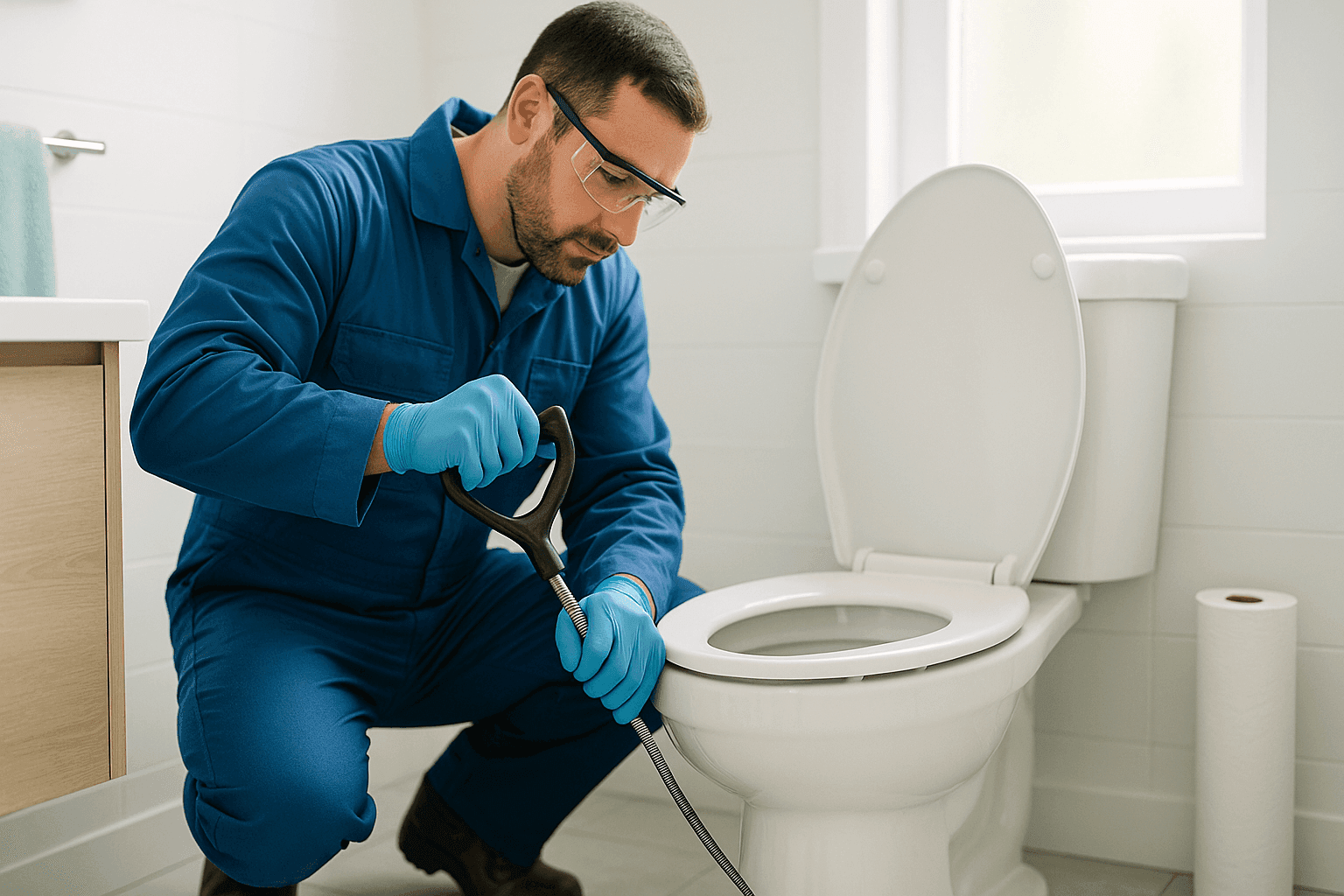
Everyone dreads the moment—the flush, the slow swirl, then water rising, just a little too high. A clogged toilet doesn’t care if you’re hosting a dinner party or it’s 3 a.m. It just happens. And when it does, panic can sink in fast.
At Sarum Plumbing, we’ve unclogged toilets in homes, offices, schools, and shops. We know what causes the trouble and, more importantly, what actually fixes it. Here’s your guide to safe DIY steps, what not to try, and when it’s time to call in emergency plumbing help.
Common Causes of Toilet Clogs 🚽
Toilets are built for one thing. Sometimes, though, they get more than they bargained for. Here’s what we see most often:
- Too much toilet paper: It’s the classic culprit. Especially the ultra-thick kind.
- Non-flushable items: “Flushable” wipes, paper towels, feminine products, cotton balls—they all belong in the bin, not the bowl.
- Toys and household objects: Curious kids or dropped items can block pipes tight as a drum.
- Hard water buildup: In some homes, mineral deposits slowly narrow the pipe’s opening.
- Low-flow toilets: Older or water-saving models may not have the power for bigger flushes.
- Sewer line troubles: Sometimes the problem’s not in the bathroom but deep in your pipes outside.
If you can trace the cause, you’ll have a better sense of what you’re up against.
DIY Unclogging Methods (Plunger, Auger)
You don’t need an arsenal of tools. Two classics handle most jobs: the plunger and the auger. Here’s how to use them.
Step-by-Step: Using a Plunger
- Pick the right plunger: For toilets, use a flange or bell-shaped plunger (not the cup-shaped sink type).
- Add water if needed: The bowl should have enough water to cover the rubber part of the plunger.
- Seal and plunge: Place the plunger over the hole. Push down gently at first to get a seal, then plunge up and down vigorously—10 to 20 times.
- Flush and test: If water drains, try a gentle flush. If not, repeat.
Tip: Keep some old towels handy. Things can get splashy.
Step-by-Step: Using a Toilet Auger
A toilet auger (sometimes called a closet auger) is like a plumber’s fishing rod. It lets you snake through the curves and catch what’s stuck.
- Insert the auger: Feed the flexible end into the toilet drain until you feel resistance.
- Crank gently: Turn the handle to work the cable deeper. Don’t force it—you want to break up or hook the clog, not damage the bowl.
- Withdraw slowly: Pull out the auger. Wipe it off (it won’t be pretty).
- Flush and check: If water moves freely, you’re clear.
Pro tip: Wear rubber gloves. You’ll thank us later.
Tool Recommendations
- Heavy-duty flange plunger
- 3-foot toilet auger (available at most hardware stores)
- Rubber gloves and safety glasses
What Not to Try
Desperation leads to creative solutions. But some “hacks” can make things a whole lot worse.
- Don’t use chemical drain cleaners: The kind you pour down the drain can damage toilet porcelain and pipes, especially older ones. The U.S. Environmental Protection Agency warns these chemicals can harm septic systems and corrode pipes.
- Don’t keep flushing: If one flush didn’t work, more won’t help. In fact, you might flood the bathroom.
- Don’t use coat hangers or sharp objects: They can scratch porcelain or get stuck, causing bigger headaches.
- Don’t disassemble the toilet: Unless you’re trained, taking things apart can turn a small problem into a major repair.
Red flag: If you see water backing up into the shower or sink too, stop. That’s a job for emergency plumbing—not a plunger.
When a Professional Is Needed
Sometimes the clog is just too stubborn, or the problem goes deeper than you can see. Here are the signs it’s time to call Sarum Plumbing:
- Repeated clogs: If your toilet clogs again and again, something’s wrong in the pipes or main line.
- Multiple fixtures are slow or backing up: Water rising in your tub or sink when you flush? That’s a main sewer issue.
- Sewage smell: A foul odor means a blockage or leak somewhere deeper.
- Standing water: If water sits in the bowl after plunging, the clog may be too big or too far down.
- Overflow risk: If it looks like the bowl might spill over, don’t wait.
- You’ve tried everything: Plunger, auger, nothing helps? Time to pick up the phone.
Improper DIY can damage pipes, cause leaks, or even break your toilet. According to the International Plumbing Code, improper repairs can also violate building safety regulations. That’s not a risk worth taking.
Preventing Future Clogs 🛡️
Most clogs are preventable. A few simple habits can keep things flowing smoothly:
- Use only toilet paper—no wipes, no paper towels, no cotton balls.
- Keep a trash bin near the toilet for everything else.
- Teach kids what not to flush (and check for toys before trouble starts).
- Regularly check for slow drainage; fix minor problems before they become big ones.
- Have your pipes inspected every few years—especially in older properties.
- Consider professional preventative maintenance, especially for commercial buildings or if you’ve had recent repiping.
A little prevention beats a flooded bathroom any day.
Quick Safety Checklist
- Wear gloves and wash hands thoroughly.
- Protect eyes from splashes.
- Never mix cleaning chemicals in the toilet.
- Turn off the water supply if overflow is likely (the valve is usually behind the toilet).
- Keep electrical items (like hair dryers) far from water.
DIY vs. Call a Pro
DIY can handle most minor clogs. But if you notice any of the red flags above, or if you’re not sure what’s safe, don’t risk it. A professional plumber arrives with the right tools, years of experience, and the ability to diagnose deeper problems—fast.
Remember, when in doubt, emergency plumbing services are available 24/7. That’s what we’re here for.
What Pros Do On Arrival
When Sarum Plumbing arrives, here’s what to expect:
- A full assessment of your plumbing, not just the toilet.
- Use of professional-grade augers, cameras, and pipe inspection tools.
- Testing for water pressure and hidden leaks.
- Safe, code-compliant repairs—no shortcuts, no surprises.
We follow guidelines from the National Standard Plumbing Code and always check for compliance with local safety codes.
Prevention & Maintenance
Prevention isn’t just about being careful; it’s about regular maintenance. Here’s what helps:
- Schedule annual drain cleaning.
- Test water pressure; high pressure can damage pipes and lead to more clogs.
- Install water filtration systems to reduce mineral buildup.
- Upgrade old toilets to newer models with better flushing power.
- Ask about backflow prevention if your building is older or has a history of sewer issues.
Costs & Time Factors
Every job is different. Minor clogs fixed with a plunger take minutes and cost nothing but elbow grease. Using a toilet auger may take 15–30 minutes. For more serious blockages, expect a professional visit to take 30–90 minutes, depending on the severity.
Complex issues—like tree roots in sewer lines or broken pipes—can take longer and require specialized equipment. The cost depends on the problem, the time of day, and the tools needed. But the longer you wait, the bigger the risk of water damage—and higher repair costs.
When It’s an Emergency
Some situations just can’t wait:
- Water or sewage is flooding your home or business.
- All toilets are clogged and unusable.
- You notice water backing up in sinks, tubs, or other drains.
- There’s a strong sewage smell.
- It’s after hours and you need immediate help.
Don’t hesitate. Emergency plumbing is what we do—day or night.
FAQ
Q: Is it safe to use a plunger on every clog?
A: Yes, for most minor clogs. But if plunging doesn’t help or water backs up elsewhere, stop and call a pro.
Q: Are “flushable” wipes really flushable?
A: No. Despite the label, they don’t break down in pipes and cause many clogs, as confirmed by the Water Environment Federation.
Q: Why does my toilet clog so often?
A: It could be low-flow design, pipe buildup, or a bigger issue in your sewer line. Repeated clogs mean it’s time for a professional inspection.
Q: Can clogs damage my pipes?
A: Yes. Repeated or severe clogs can lead to leaks, burst pipes, or sewage backups, especially if chemicals are used.
Local/Seasonal Considerations
In colder months, pipes can contract and cause slow drainage. Heavy rains can overwhelm sewer lines, especially in older neighborhoods. If your home or business is in a high-traffic area, consider regular preventative maintenance and backflow testing. Commercial spaces with public restrooms should have routine checks scheduled—prevention is always easier than a late-night emergency.
If you’ve tried the safe steps and your toilet’s still not right, don’t wait for a mess. Call Sarum Plumbing now — or reach us anytime at 888-344-8562 .