Toilet Repair Troubleshooting: Common Issues and Quick Fixes
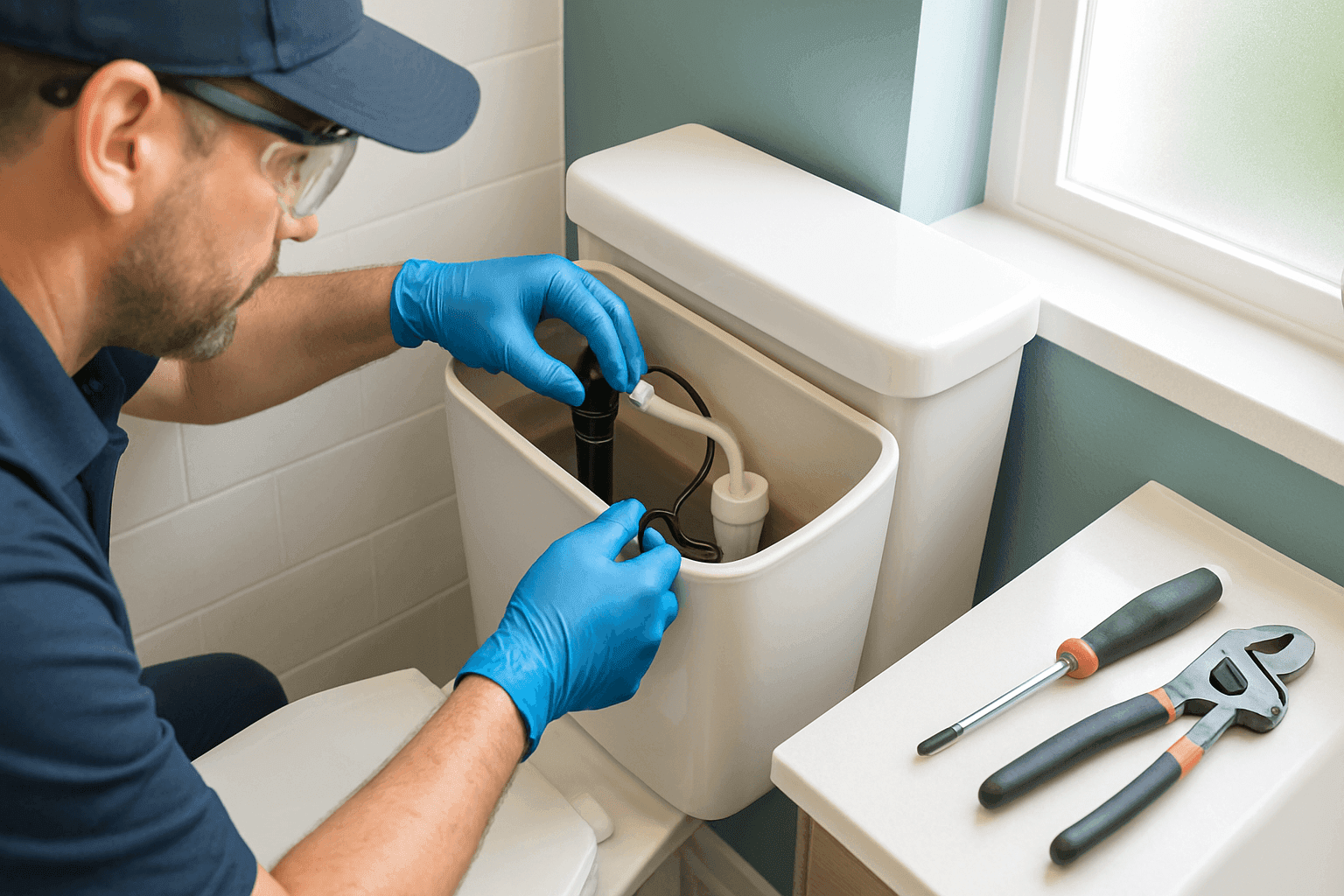
Ever notice the sound of running water long after you’ve flushed? Or maybe you step into your bathroom and see a mysterious puddle creeping out from under the toilet. It’s enough to make anyone nervous—especially at night or during a busy workday.
Toilet problems have a way of throwing life off track. At Sarum Plumbing, we know that fixing them fast matters, whether you’re a homeowner, landlord, or business owner. This guide is packed with solutions for the most common toilet headaches—so you can feel confident, safe, and know exactly when it’s time to call for emergency plumbing help.
Diagnosing Toilet Problems 🛠️
Before you grab a wrench or start searching for “pipe installation near you,” let’s break down what’s actually going wrong. Toilets are simple machines, but a single faulty part can stop the whole thing from working.
Most Common Toilet Issues
- Running toilet: Water keeps flowing into the bowl after you flush.
- Weak or no flush: The handle moves, but nothing—or barely anything—happens.
- Leaking base: Water appears around the bottom of the toilet.
- Phantom flushes: Toilet “refills” randomly, even if no one’s used it.
Why does it matter?
Left unchecked, these issues waste water, increase bills, and can lead to bigger problems like water damage or mold.
Anatomy of a Toilet

Key Parts:
- Handle (flush lever)
- Lift chain
- Flapper
- Fill valve (ballcock)
- Overflow tube
- Tank-to-bowl gasket
- Wax ring (under the base)
- Supply line
Fixing a Running Toilet
A running toilet can sound like a tiny waterfall, but it’s actually your money flowing down the drain. Let’s fix it—fast.
Quick Checklist
- Jiggle the handle—does it stop? That’s a clue.
- Take off the tank lid (careful, it’s heavy).
- Watch what happens when you flush.
Likely Culprits
1. Flapper not sealing:
The rubber flapper at the bottom of the tank might be warped, dirty, or not sitting right.
2. Chain issues:
If the chain is too loose or too tight, the flapper can’t do its job.
3. Faulty fill valve:
If water keeps rising and spilling into the overflow tube, the fill valve needs adjusting or replacing.
What You’ll Need
- Replacement flapper (fits most toilets)
- Adjustable wrench
- Towel or sponge
Step-by-Step Fix
- Shut off the water to the tank (look for a valve behind the toilet).
- Flush to empty the tank.
- Inspect the flapper. If it’s hard or doesn’t seal, swap it out.
- Adjust the chain so there’s just a little slack.
- Check the fill valve. If water runs into the overflow, turn the adjustment screw or float.
Pro tip:
If fiddling with the chain and flapper doesn’t work, a new fill valve kit usually costs less than a movie ticket.
Solving Weak Flush or No Flush
Nothing’s more frustrating than a toilet that won’t flush properly—especially when you have guests. Sometimes it’s an easy fix. Sometimes, it’s a signal of bigger plumbing trouble.
Common Causes
- Low water level in tank
- Clogged rim holes (where water enters the bowl)
- Broken handle or chain
- Partial blockage in trap or drain
Tools & Supplies
- Toilet brush (for cleaning rim holes)
- Small mirror (for inspecting under rim)
- Replacement handle or chain
- Plunger
Steps to Restore Flush Power
- Lift the tank lid. Make sure the water reaches the fill line.
- Check the handle and chain. If the handle feels loose or floppy, tighten or replace it.
- Clean the rim holes. Use a wire or brush to clear any buildup.
- Try a plunger. For stubborn clogs, use a flange plunger and a good seal.
Still weak or no flush?
The blockage could be deeper—possibly in the drain line. That’s when emergency plumbing or professional pipe installation near you becomes necessary.
Dealing with Toilet Leaks 💧
Toilet leaks can sneak up on you. Sometimes, you’ll spot water at the base. Other times, you’ll hear the tank refilling itself, even when no one’s around.
Leak Locations
- Base of toilet: Could be a failed wax ring or loose bolts.
- Tank-to-bowl connection: Gasket or bolts may be worn.
- Supply line: Flexible hose or connector may be cracked.
Safety Checklist
- Turn off water supply before working.
- Mop up any standing water to avoid slips.
- Wear gloves—bathroom leaks can be unsanitary.
Parts List
- Wax ring
- Tank-to-bowl gasket
- Adjustable wrench
- Sponge
- Utility knife
Fixing a Base Leak
- Shut off water supply. Flush to empty the tank.
- Unbolt toilet from floor. Carefully rock it free.
- Remove old wax ring. Scrape off residue.
- Set new wax ring. Re-seat toilet, pressing down evenly.
- Bolt toilet back down. Don’t overtighten—ceramic can crack.
- Reconnect supply line. Slowly turn water back on.
If you see water damage, mold, or lingering dampness, call for emergency plumbing right away.
When to Replace vs Repair
It’s tempting to keep patching up an old toilet. But sometimes, replacement makes more sense—saving water, avoiding headaches, and improving hygiene.
Consider Replacement If:
- Cracks in the bowl or tank (even small ones)
- Repeated leaks, even after repairs
- Old toilets (older than 25 years)
- Constant clogs or poor flush, no matter what you try
Decision Tree: Repair or Replace?
Is the toilet cracked or severely leaking?
        |
      Yes
        |—> Replace toilet.
      No
        |
    Does it need multiple repairs per year?
        |
      Yes
        |—> Consider replacing.
      No
        |
    Is it using too much water (old model)?
        |
      Yes
        |—> Newer toilets save water.
      No
        |—> Repair is likely enough.
Stuck deciding?
A professional can assess for hidden issues like unseen leaks, failing seals, or sewer line trouble.
Quick Safety Checklist
- Always turn off water before repairs.
- Don’t use harsh drain chemicals—they can damage pipes.
- Avoid overtightening bolts (ceramic cracks easily).
- Wash hands thoroughly after repairs.
- If you smell gas or sewage, leave the area and call for emergency plumbing.
DIY vs. Call a Pro
Toilet repairs can be simple—like swapping a flapper or tightening a handle. But some situations need more than elbow grease.
Good for DIY:
- Replacing flapper or fill valve
- Adjusting handle or chain
- Basic plunging
Call Sarum Plumbing If:
- Leak is under the floor or at the base
- Toilet rocks or is loose at the floor
- No improvement after several tries
- Signs of water damage or mold
- Water won’t shut off or keeps running
- You need sewer line inspection, pipe installation, or advanced leak detection
What Pros Do On Arrival
When Sarum Plumbing rolls up, here’s what you can expect:
- Inspect tank, bowl, and all connections
- Test flush and fill mechanisms
- Check supply line and shutoff valve
- Use leak detection tools (like moisture meters)
- If needed, run a sewer line camera inspection
- Offer solutions—repair, repiping, or fixture installation
We follow local codes, safety guidelines (see Water Supply Regulations 1999), and use the right parts for lasting results.
Prevention & Maintenance
Like any machine, your toilet needs occasional TLC. A little attention goes a long way.
- Check for leaks monthly.
- Listen for running water after flushes.
- Test the shutoff valve twice a year.
- Clean bowl and rim holes regularly.
- Schedule preventative maintenance if you have old plumbing or recurring issues.
Costs & Time Factors
Toilet repairs don’t have to break the bank, but cost and time vary by job:
- Simple fixes (flapper, handle, chain): 10–30 minutes. Low cost.
- Leak repairs (wax ring, supply line): 30–90 minutes. Moderate materials.
- Replacement: 1–2 hours for a pro.
- Sewer line or major leak: Can require several hours and specialized tools.
Note: Emergency plumbing after-hours or on holidays can add to the bill, but quick action prevents bigger disasters.
When It’s an Emergency
Sometimes, waiting isn’t an option. Call for emergency plumbing if:
- Water is flooding or can’t be stopped
- Sewage is backing up into your home or business
- The toilet is the only one in your building
- You smell sewage or gas
- There’s risk of electrical shock (water near outlets or wiring)
Frequently Asked Questions
Q: Why does my toilet keep running?
A: Most often, it’s a flapper or fill valve issue. If replacing those doesn’t help, there may be a deeper supply or valve problem.
Q: Can I use chemical drain cleaners in my toilet?
A: It’s best to avoid them. They can damage seals and pipes—use a plunger or call for professional drain cleaning instead.
Q: How do I know if my toilet is leaking?
A: Place a few drops of food coloring in the tank. Wait 30 minutes. If color appears in the bowl, you have a leak.
Q: Is a rocking toilet dangerous?
A: Yes—rocking can break seals and cause hidden leaks. Tightening bolts may help, but often the wax ring or flange needs attention.
Local & Seasonal Considerations
Cold weather can freeze supply lines or make old seals brittle. In older homes and commercial buildings, aging pipes and hard water can cause recurring issues.
If your region has hard water, mineral buildup can block rim holes and affect flushing.
Sarum Plumbing recommends regular inspections—especially before winter or after major plumbing work elsewhere in your building.
Toilet problems can disrupt any home or business. If these fixes don’t solve it, or if you notice bigger leaks, moldy smells, or water damage, don’t wait—get help now. Our team is ready 24/7 for emergency plumbing, leak detection, pipe installation, and all your bathroom plumbing needs.
Call Sarum Plumbing now — or reach us anytime at 888-344-8562 .