Sump Pump Repair and Maintenance: Keep Your Basement Dry
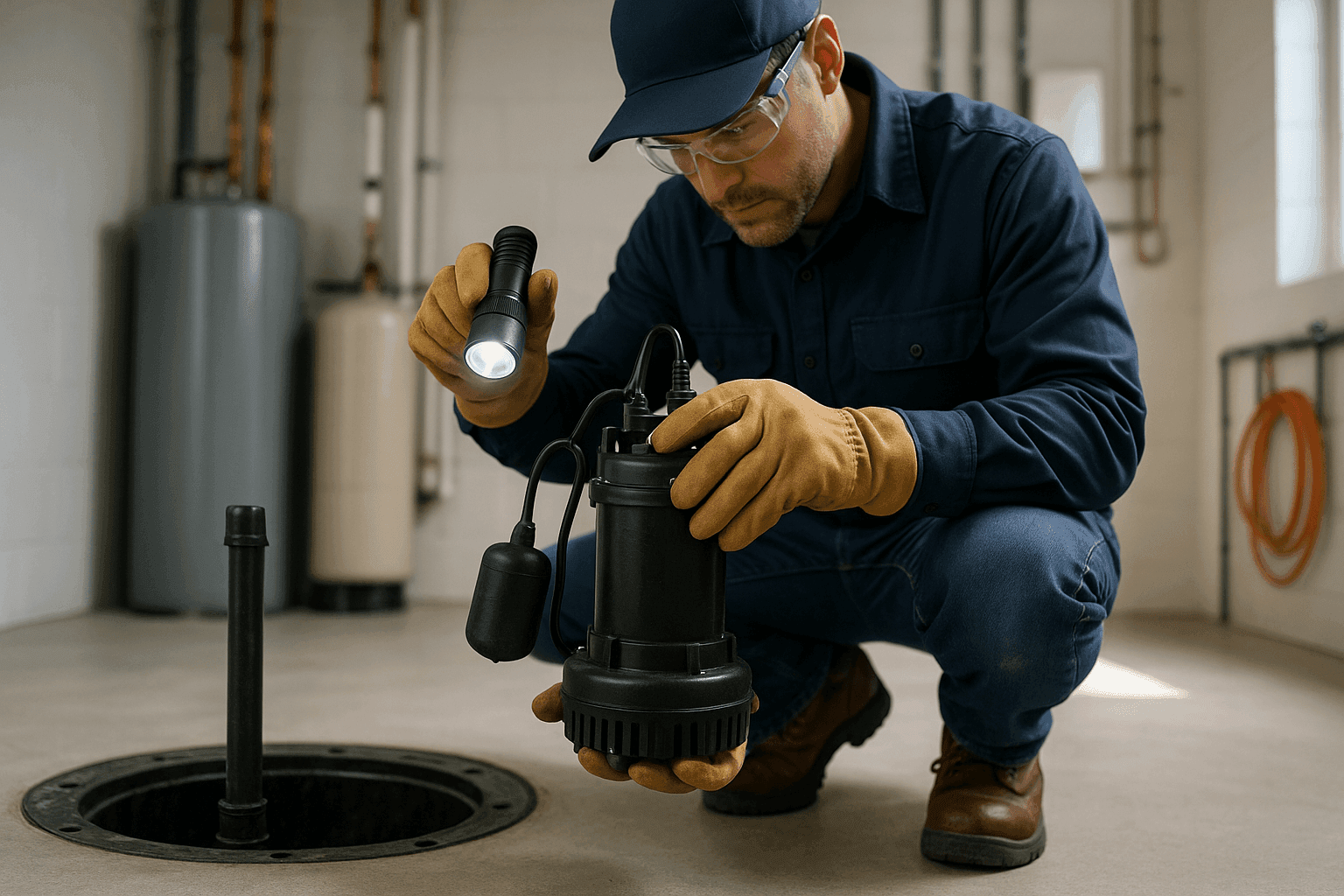
Basements should be safe, dry, and worry-free. But when storm clouds gather or snow melts fast, a single faulty sump pump can turn your downstairs haven into a headache. At Sarum Plumbing, we’ve seen firsthand how quickly water can seep in—ruining floors, walls, and peace of mind.
If you’re in a flood-prone area, a working sump pump isn’t a luxury. It’s a lifeline. Don’t wait for the next downpour or unexpected leak. Let’s break down what keeps these unsung heroes running and how to spot trouble before you’re ankle-deep in water.
How Sump Pumps Work ⚙️
Picture your sump pump as the bouncer at the door of your basement. Its job? Kick out unwanted water before it crashes the party. Most sump pumps sit in a pit (the “sump basin”) where groundwater gathers. When the water rises to a certain level, a float switch triggers the pump. The motor hums to life, sending water through a pipe and safely away from your foundation.
There are two main types:
- Submersible pumps: Entirely underwater in the sump pit. Quiet, powerful, and out of sight.
- Pedestal pumps: Motor stays above the pit. Easier to fix but a bit noisier.
A sump pump’s real test comes during heavy rain or rapid snowmelt. It’s your silent defender—until it isn’t.
Signs Your Sump Pump Needs Repair 🚨
Wondering if your sump pump is up to the task? Watch for these red flags:
- Strange noises: Grinding, rattling, or whining usually means worn parts.
- Runs constantly: If it never turns off, the float switch could be stuck.
- Cycles on and off: Rapid cycling often signals wiring or float issues.
- Visible rust or corrosion: Moisture damage can jam moving parts.
- Vibrates excessively: Debris may be caught in the impeller.
- No water in the pit: If the pump runs but never sees water, check for installation or drainage problems.
If you spot any of these, don’t ignore them. Like a warning light on your car’s dashboard, these symptoms only get worse with time.
Routine Maintenance Steps 🛠️
Keeping your sump pump in top shape isn’t rocket science. Think of it like oil changes for your car—regular, simple, and vital.
Here’s a checklist to keep things running smoothly:
- Test the pump monthly. Pour a bucket of water into the pit. The pump should start up and drain the water quickly.
- Clean the pit. Remove mud, stones, and debris that could clog the pump.
- Inspect the float switch. Make sure it moves freely and isn’t blocked.
- Check the discharge line. Look for obstructions, especially outside where ice or leaves might block flow.
- Listen for odd sounds. Grinding or rattling? Time to call for repair.
- Backup power. If you live in an area prone to outages, a battery backup can be a game-changer.
Seasonal Sump Pump Maintenance Checklist
Spring:
- Test after heavy rains.
- Check for winter damage to pipes or pit.
Summer:
- Clear outside discharge lines of grass and yard debris.
- Inspect for any signs of rust.
Fall:
- Clean pit of fallen leaves.
- Ensure backup battery is charged.
Winter:
- Check for frozen pipes.
- Clear snow and ice from the discharge area.
Staying ahead of the seasons can mean the difference between a dry basement and a disaster.
When to Replace vs. Repair
Sump pumps don’t last forever. Most models offer 7–10 years of reliable service. But how do you know if it’s time for a fix or a full replacement?
Repair If:
- The problem is minor (like a clogged float or debris jam).
- The motor still runs quietly.
- The unit is younger than 7 years.
Replace If:
- Frequent breakdowns or repairs add up.
- The pump is over 10 years old.
- Major parts are corroded or the motor has failed.
- Your home has flooded despite the pump running.
If you’re unsure, a professional can give honest advice based on your system’s age and condition, not just the symptoms.
Flood Prevention Tips 💧
Why risk a soaked basement? Take these simple steps to keep water out:
- Grade your yard so water runs away from the house, not toward it.
- Clear gutters and downspouts. Blocked drains are a main cause of basement leaks.
- Install window well covers to keep out rain and snow.
- Seal cracks in foundation walls with hydraulic cement.
- Schedule routine plumbing checks—including leak detection and pipe inspection.
- Consider a water alarm. Alerts you if water rises where it shouldn’t.
- Have a backup sump pump or battery system, especially if you’re in a flood zone.
Troubleshooting Guide
Before you panic, try these quick steps:
- Pump won’t start? Check the power supply and circuit breaker.
- Pump runs but no water is moving? Look for a clogged discharge pipe.
- Pump turns on and off rapidly? Adjust or replace the float switch.
- Loud noises? Remove debris or call for service if the sound persists.
If these fixes don’t solve the issue, it’s time to reach out for professional emergency plumbing help. Remember, water damage moves fast, and so should your response.
Why Professional Checks Matter
DIY is great for quick fixes, but sump pumps are like the heartbeat of your basement. Overlooking small problems now can lead to insurance claims and costly repairs down the line.
A licensed plumber will:
- Inspect electrical connections for safety.
- Test water flow and backup systems.
- Look for code compliance (see local building codes and safety standards).
- Spot hidden leaks or slow drainage.
- Offer advice on upgrades, like high-efficiency pumps or water filtration systems.
Routine professional checks are especially important for businesses or homes where downtime means lost revenue or ruined property.
When It’s an Emergency
If your sump pump stops during a storm or after a pipe bursts, don’t wait. Floodwater can undermine foundations, ruin wiring, and create mold within 24–48 hours. Emergency plumbing isn’t just about fixing pipes—it’s about protecting everything you value.
Sarum Plumbing offers pipe installation near you, leak detection, and rapid response for urgent repairs. We know every minute counts.
FAQ
How often should I replace my sump pump?
Typically every 7–10 years. Check the manufacturer’s guidelines and factor in local flooding risk.
Can I install a sump pump myself?
Some handy homeowners can, but electrical and plumbing codes must be followed. A professional ensures it’s done right and up to code.
What happens if my discharge line freezes?
Water will back up, and the pump may burn out. Always check the outside line in winter and clear snow or ice.
Are battery backups worth it?
Absolutely—especially in flood-prone or outage-prone areas. They keep your pump running when you need it most.
Local and Seasonal Considerations
Flood risk isn’t the same everywhere. In areas with heavy rainfall or high water tables, sump pumps work overtime in spring and fall. Commercial properties with large basements or equipment rooms face even bigger stakes if water gets in.
Keep an eye on local weather alerts. After major storms, check your sump pump even if everything seems fine. Prevention beats cleanup every time.
Ready for Peace of Mind?
Don’t let a simple mechanical failure lead to big headaches. Whether it’s seasonal maintenance, emergency plumbing, or pipe installation near you, Sarum Plumbing is ready to help—day or night.
Call Sarum Plumbing now — or reach us anytime at 888-344-8562 .