What to Expect During Sewer Line Repair or Replacement
If you’re reading this, there’s a good chance you’re dealing with a sewer line issue. Maybe you’ve noticed slow drains, foul odors, or water backing up where it shouldn’t. It’s stressful, especially when your home or business is at stake. At Sarum Plumbing, we’ve been in enough basements and backyards to know that nobody wants to face sewer problems alone, especially in the middle of the night.
Sewer line repairs can sound overwhelming—pipes underground, big machines, muddy lawns. But it doesn’t have to be a nightmare. With the right information and a clear plan, you can get through it with confidence. Let’s walk through what you can expect, step by step.
When Repair Is Needed 🚨
Sewer lines aren’t something you think about until there’s trouble. Signs you might need repair or replacement include:
- Persistent clogs or slow drains throughout your property
- Gurgling sounds from toilets or sinks
- Unpleasant smells from drains or your yard
- Soggy patches or sinkholes in your lawn
- Backups in basement plumbing fixtures
If you’re seeing these signs, it could be more than a simple clog. Tree roots, aging pipes, shifting soil, or even construction damage can lead to serious issues beneath the surface. According to the International Association of Plumbing and Mechanical Officials (IAPMO), early detection is key to minimizing damage and cost.
Repair vs Replacement Options
Not every problem means you need a brand-new sewer line. Here’s how our team at Sarum Plumbing decides what’s best:
Repair
- Best for: Localized damage (cracks, minor collapse, root intrusion)
- Methods: Pipe patching, spot repairs, or pipe relining
- Pros: Less invasive, quicker, cost-effective for small issues
Replacement
- Best for: Widespread pipe damage, severe corrosion, collapsed lines, outdated materials
- Methods: Traditional trenching or trenchless pipe bursting/pipelining
- Pros: Long-term solution, upgrades entire section, often comes with improved flow
Trenchless vs. Traditional Methods
Think of traditional sewer repair like open-heart surgery—digging a trench, exposing the pipe, replacing the section. It’s effective but disruptive. Trenchless methods are more like keyhole surgery: minimal digging, using specialized equipment to repair or replace the pipe from the inside.
-
Trenchless (Pipe Bursting, Lining):
- Minimal surface disruption
- Faster completion
- Ideal for driveways, landscaping, or busy commercial zones
-
Traditional (Open Trench):
- Necessary for severely collapsed pipes or complicated layouts
- More digging and restoration required
Most modern repairs aim to minimize digging unless absolutely necessary.

Steps in the Sewer Line Repair Process
Knowing what to expect helps you feel prepared. Here’s the typical process Sarum Plumbing follows:
1. Inspection & Diagnosis
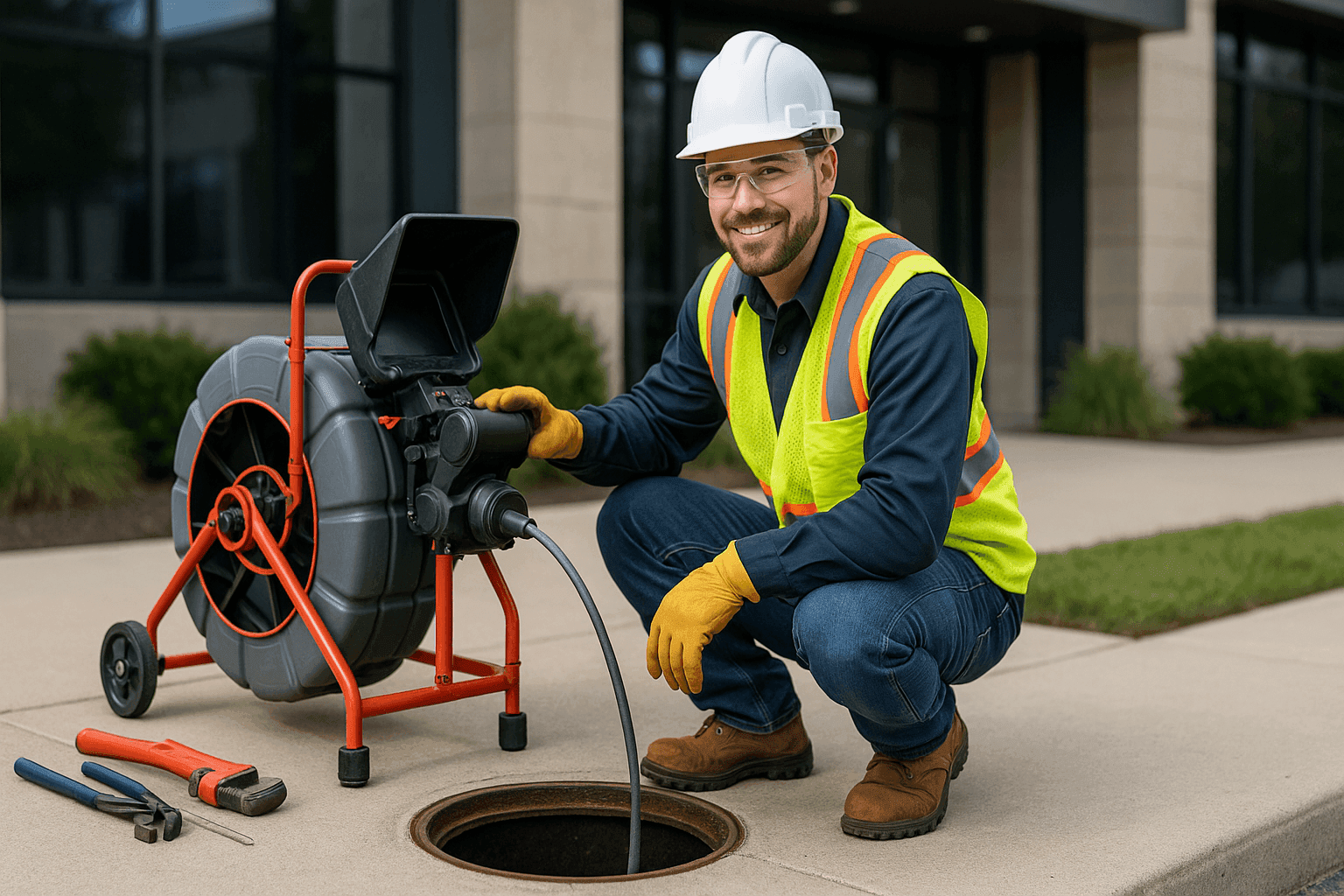
- Camera Inspection: We feed a camera into the line to pinpoint the exact problem, location, and extent.
- Assessment: Determine if the issue is isolated or widespread.
2. Planning & Communication
- Clear Explanation: We explain the problem, show you camera footage, and outline your options.
- Permitting: For major work, we handle local code compliance and permits.
3. Site Preparation
- Safety First: Protecting your property, utilities, and people is our top priority.
- Access Points: We identify the best entry spots—minimizing damage to landscaping and structures.
4. Repair or Replacement
- Trenchless: Equipment enters through small pits. New pipe is pulled through or lining is applied.
- Traditional: Trench is dug, damaged pipe is removed, and a new section is installed.
5. Testing & Inspection
- Leak & Flow Testing: Confirm everything is sealed and draining freely.
- Final Camera Check: Peace of mind for you, documentation for city inspectors.
6. Restoration
- Refill any dug areas, reseed grass, and tidy up—leaving your property as close to normal as possible.
How to Prepare Your Home or Business 🏠
A little prep goes a long way to keep things running smoothly:
- Clear the Work Area: Move vehicles, outdoor furniture, or anything blocking access to sewer lines.
- Inform Occupants: Let family, staff, or tenants know when work will start and if water will be shut off.
- Protect Sensitive Items: Remove valuables from basements or affected rooms.
- Plan for Water Outages: Most repairs take a day; full replacements may need longer. Have bottled water or alternative restrooms ready.
- Communicate Special Needs: Let the crew know about pets, alarms, or business hours.
Timeline and Restoration
Every job is different, but here’s a general idea:
- Simple Repairs: 2–8 hours
- Trenchless Replacement: 1–2 days
- Traditional Replacement: 2–4 days, plus time for yard restoration
Restoration—like reseeding grass or patching driveways—may add extra days, depending on weather and materials. Sarum Plumbing works to keep your life running as normally as possible. We’ll communicate clearly about what’s happening, when, and why. No one likes surprises—except for the good kind.
Minimizing Disruption
Our emergency plumbing team is trained to keep disruption to a minimum. Here’s how:
- Use of trenchless methods whenever possible
- Careful protection of landscaping and driveways
- Immediate clean-up after work is complete
- Open communication so you always know the next step
If you’re running a business, we’ll coordinate scheduling to avoid peak hours or customer traffic.
What Communication Can You Expect?
You deserve to know what’s happening beneath your feet. Here’s our approach:
- Visual updates: We’ll show you camera inspection videos and explain findings in plain language.
- Step-by-step explanations: You’ll always know what comes next.
- Written plans: For large projects, you’ll receive a work summary and timeline.
- Availability: We’re here for questions before, during, and after the job.
Practical Tips for Homeowners & Businesses
- Schedule regular sewer inspections—especially in older buildings or if you’ve had problems before.
- Don’t flush anything other than waste and toilet paper. No wipes, grease, or hygiene products.
- Keep trees and shrubs away from main sewer lines to avoid root intrusion.
- Know where your main cleanout is located for faster emergency plumbing access.
Safety and Code Compliance
Sarum Plumbing follows all local plumbing codes and safety practices, as outlined by the Uniform Plumbing Code (UPC) and your municipality. For gas line or water heater work during sewer projects, only licensed professionals are allowed. Never allow unpermitted or unlicensed work—your safety is too important.
Frequently Asked Questions
How do I know if I need a full replacement or just a repair?
A camera inspection will reveal the extent of the problem. If only a small section is damaged, a spot repair may be enough. Widespread corrosion, collapsed sections, or ongoing problems often mean replacement is the wiser long-term choice.
Will my yard or driveway be ruined?
Not necessarily. Trenchless methods minimize digging, so lawns and driveways usually stay intact. If digging is required, Sarum Plumbing restores affected areas as part of the job.
How long will my water be shut off?
For most repairs, water or drain service is interrupted for just a few hours. Full replacements may require a full day of downtime, but we’ll always give you advance notice.
Can I stay in my home or keep my business open during work?
In most cases, yes. For commercial properties, we can often schedule work after hours or in stages to keep disruption minimal.
Local and Seasonal Considerations
Extreme cold, heavy rain, or high groundwater can affect timelines and methods. In winter, frozen ground may require extra equipment. During rainy seasons, we may need to pump out groundwater to keep trenches dry. Sarum Plumbing adjusts for weather and local soil types to keep your job on track.
Ready to Get Started?
Facing a sewer line problem isn’t anyone’s idea of fun. But with clear communication, modern techniques, and a focus on minimizing disruption, Sarum Plumbing is here to make the process as smooth as possible. From emergency plumbing calls to scheduled pipe installation near you, we’re ready when you need us.
Call Sarum Plumbing now — or reach us anytime at 888-344-8562 .