Sewer Line Problems: Signs, Causes, and Solutions
No one plans on a sewer line crisis. Yet, even the most careful property owners can find themselves ankle-deep in plumbing trouble. Whether it’s your family home or a bustling commercial building, sewer line issues can grind daily routines to a messy halt.
At Sarum Plumbing, we know how stressful—and sometimes downright gross—these moments can be. But you don’t have to face them alone. With years serving both homes and businesses, our emergency plumbing team handles everything from pipe installation near you to urgent leak repair.
Signs Your Sewer Line Needs Attention 🚨
Sewer line problems rarely appear overnight. They leave warning signs—some subtle, some impossible to ignore. Here are the major red flags:
-
Slow Drains Throughout the Building
One slow sink might just be a clog. But if every drain—showers, tubs, toilets—moves like molasses, your main line could be suffering. -
Foul, Persistent Odors
That unmistakable rotten-egg smell coming from drains or your yard? Often, it’s sewer gas leaking from a cracked or blocked line. -
Soggy or Sunken Lawns
Patches of grass growing extra fast or areas where the ground feels spongy may mean sewage is seeping underground. -
Gurgling Sounds and Backups
Toilets that bubble or water backing up in tubs when you flush? These are the sewer line’s version of a warning siren.
Ignoring these signs lets small problems grow. Sewage backups don’t just disrupt your day—they can create serious health and safety hazards.
Quick Safety Checklist
Before you grab gloves or a drain snake, pause. Protect people and property first:
- Keep kids and pets away from affected areas.
- Shut off water at the main valve if sewage is backing up.
- Avoid using electrical outlets near wet floors.
- Do not use chemical drain cleaners—these can damage pipes and harm the environment.
- Document visible damage for your insurance records.
- Ventilate the area (open windows/doors) to reduce odor and gas exposure.
If sewage is pooling inside, treat it like any other biohazard—prioritize safety.
DIY Fixes vs. When to Call a Pro
Some clogs are harmless—a wad of paper towels, a clump of hair. These you might clear with a plunger or handheld auger. But sewer line problems are different. They run deep, literally and figuratively.
DIY is reasonable if:
- Only one drain is slow and there’s no sign of sewage outside or in the basement.
- There’s no foul odor or visible waste.
Call a professional when:
- Multiple drains act up at once.
- Backups involve waste water or foul smells.
- You spot wet patches in your yard, basement, or floors.
- You own or manage a commercial property (health code risks).
Sarum Plumbing’s emergency plumbing team is trained for these high-stakes situations. Don’t risk a bigger mess or voided insurance by waiting too long.
The Real Causes: What’s Blocking Your Sewer Line?
A sewer line is like the main highway for your wastewater. If something blocks it, everything else backs up. Here’s what might be lurking below:
-
Tree Roots
Roots are relentless, seeking out the smallest pipe cracks for water. Over time, they can fill a pipe the way ivy overtakes a fence. -
Aging or Corroded Pipes
Older pipes—especially clay, cast iron, or Orangeburg—are prone to cracking, collapsing, or rusting through. Modern code often calls for PVC or HDPE for a reason. -
Ground Movement and Settling
Natural shifts, construction, or even heavy traffic can misalign or crush pipes underground. -
Grease, Wipes, and Foreign Objects
Grease clings to pipe walls like cholesterol in arteries. Add “flushable” wipes or hygiene products, and blockages are inevitable. -
Heavy Rain or Flooding
Sudden water overload can stress even healthy sewer lines, especially in older neighborhoods.
If left unchecked, these issues can escalate from slow drains to catastrophic backups.
How Pros Inspect Sewer Lines
Wondering how plumbers know what’s going on underground? It’s not guesswork—it’s technology.
Video Camera Inspection:
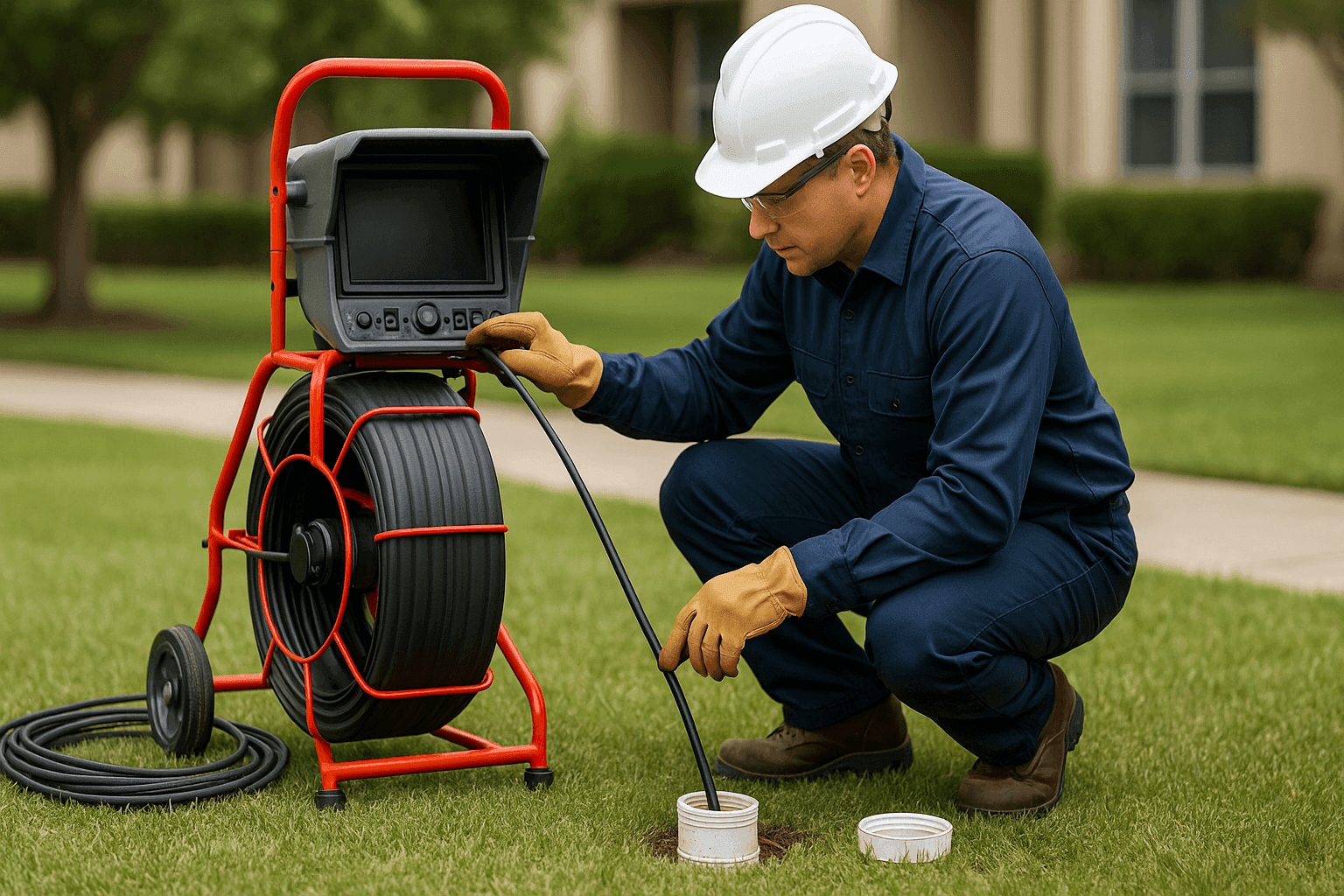
A flexible, waterproof camera is fed into the sewer line through a cleanout. As it travels, it sends real-time video to a monitor. Plumbers see everything: roots, cracks, grease, even lost toys. This method pinpoints the exact location and cause of blockages—no unnecessary digging.
Using video inspection:
- Prevents unnecessary property damage
- Helps create a precise plan for repair or replacement
- Offers visual proof for insurance claims or property sales
Inspections follow guidelines like those from the International Plumbing Code (IPC) and local building authorities.
Repair Options: Trenchless vs. Traditional
Once the problem is found, it’s time to talk repairs. There are two main routes:
Trenchless Repair
Think of trenchless repairs like arthroscopic surgery for your yard—minimal invasion, fast recovery.
Methods:
- Pipe Lining: A resin-coated liner is inserted and cured in place, forming a new pipe inside the old one.
- Pipe Bursting: A new pipe is pulled through the old, breaking the damaged line as it goes.
Pros:
- Little or no digging—lawns, driveways, and patios stay mostly intact
- Quicker—many jobs finish in a day
Cons:
- Not always possible if pipes are severely collapsed or misaligned
- Sometimes higher upfront cost than digging
Traditional (Open Trench) Repair
The classic approach. Dig up the old pipe, remove the damaged section, and replace it.
Pros:
- Works for any situation, including total pipe collapse
- Full access for complex repairs
Cons:
- Disruptive—expect torn-up landscaping
- Longer project times and more restoration work needed
Your Sarum Plumbing technician will recommend the best fit for your problem and property type.
Costs & Time Factors
Every sewer line job is different, but here’s what typically affects price and timeline:
- Type of Repair: Trenchless usually costs more up front but saves on restoration.
- Pipe Material: Older materials may require full replacement.
- Length and Depth: Longer or deeper lines mean more work.
- Access: If cleanouts are available, it’s quicker and less invasive.
- Emergency Service: After-hours or urgent calls may add to cost.
Typical Timeframes:
- Video inspection: 1–2 hours
- Trenchless repair: 1–2 days
- Open trench replacement: 2–5 days (plus yard restoration)
The National Association of Home Builders (NAHB) and local plumbing codes often guide best practices and necessary permits.
Prevention & Maintenance Tips
Preventing sewer line problems is like changing your car’s oil. Small steps now save big headaches down the road.
- Schedule annual or biannual video inspections, especially for older homes.
- Don’t plant trees or shrubs near sewer lines.
- Never flush wipes, hygiene products, or grease.
- Use strainers on all drains.
- Consider backflow prevention devices, especially in flood-prone areas.
- Watch your water pressure—high pressure can stress aging pipes.
Commercial property owners: stay up to date with local codes and health department requirements for regular sewer line checks.
When It’s an Emergency
Some sewer line problems can’t wait. If you’re dealing with:
- Raw sewage visible in living or work spaces
- Backups affecting multiple units or floors
- Loss of essential services (toilets, sinks, kitchen drains)
- Health risks due to exposure
Call emergency plumbing services right away. Fast response can limit property damage and keep you in compliance with health and safety laws.
Special Considerations for Commercial Properties
For business owners and property managers, sewer line problems spell more than inconvenience. There’s lost revenue, unhappy tenants, and potential legal headaches.
- Code Compliance: Regular inspections can help you stay on the right side of local health and building codes.
- Preventative Maintenance: Scheduled checks reduce emergency calls and costly repairs.
- Minimize Downtime: Trenchless repairs can keep your business running while work happens underground.
- Documentation: Keep records of all inspections and repairs for insurance and liability.
Sarum Plumbing works with offices, restaurants, retail, and industrial sites—delivering repairs that keep your doors open and your reputation intact.
Frequently Asked Questions
Q: How long should a sewer line last?
A: Most modern lines last 50–100 years, but older materials (like clay or cast iron) can fail sooner.
Q: Can I use chemical drain cleaners for slow drains?
A: It’s not recommended. They can corrode pipes and harm the environment. Mechanical cleaning is safer and more effective.
Q: How often should I inspect my sewer line?
A: Homes: every 3–5 years if you’ve had issues, or after buying a property. Commercial: annually, per many health department guidelines.
Q: What causes sewer odors inside?
A: Cracks, blocked vents, or dry traps can let sewer gas seep indoors. Persistent smells need professional attention.
Local and Seasonal Factors
Different climates bring unique challenges:
- Heavy Rain or Snowmelt: Increases risk of backups, especially in older systems.
- Tree Growth Cycles: Roots are most aggressive in spring and summer.
- Freezing Temperatures: Frozen ground can magnify pipe cracks and slow repairs.
Sarum Plumbing is ready year-round, with emergency plumbing and pipe installation near you whenever the weather turns.
If you notice slow drains, strange smells, or soggy spots in your yard, don’t wait for a full-blown emergency. Call Sarum Plumbing now — or reach us anytime at 888-344-8562 . Let’s get your plumbing flowing again, safely and reliably.