Sewer Line Inspection: What to Expect and Why It Matters
Have you ever noticed a strange smell wafting up from your basement? Or maybe you’ve watched the water in your sink swirl in slow, lazy circles before finally draining away. These small headaches can snowball into much bigger issues—especially when your sewer line is involved.
At Sarum Plumbing, we’ve seen what happens when sewer problems go unchecked. Whether you’re a homeowner or running a busy business, a blocked or broken sewer line isn’t just inconvenient. It can bring everything to a standstill. That’s why we believe knowing what to expect from a sewer line inspection matters.
How Sewer Line Inspections Work 🛠️
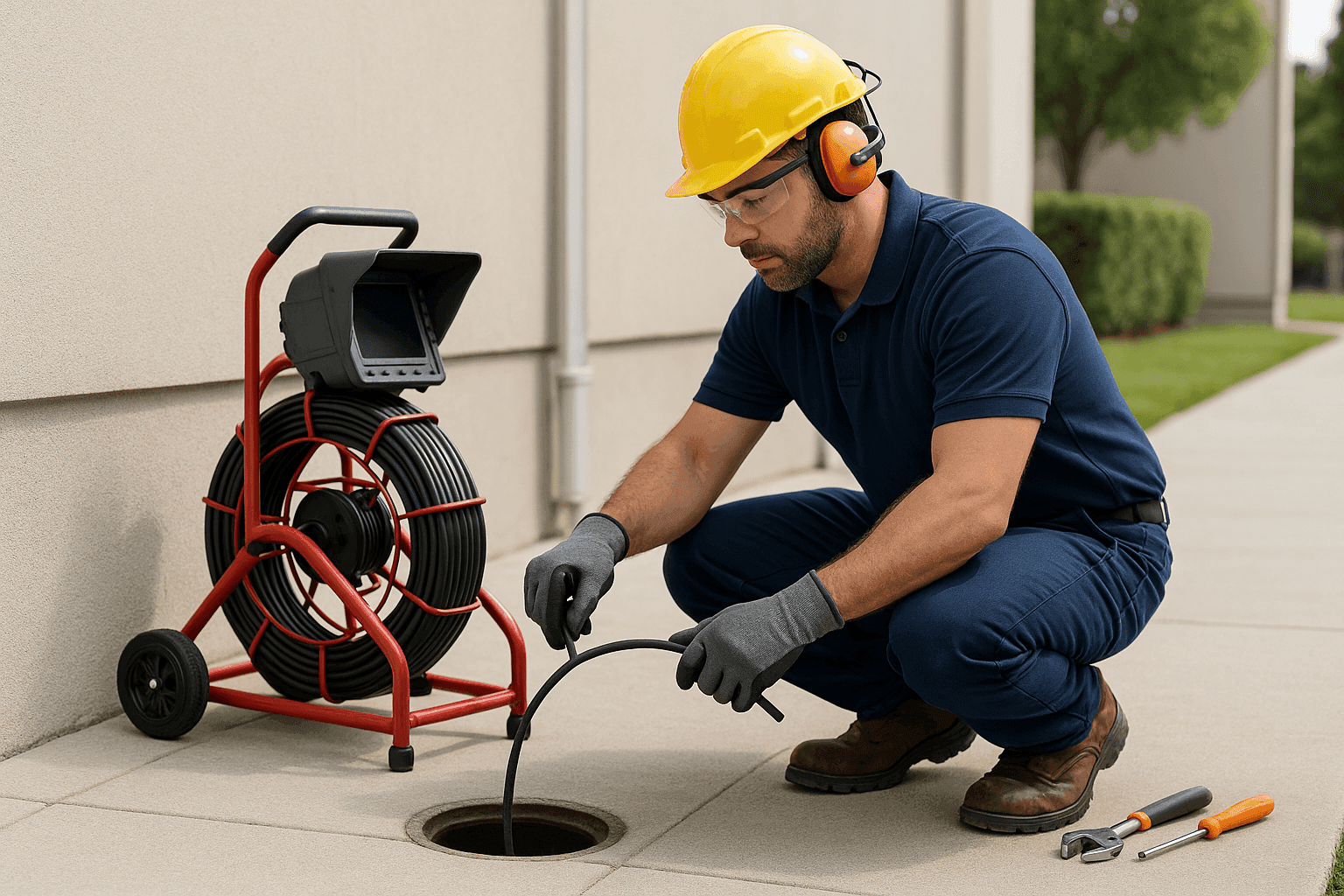
Think of a sewer line inspection as sending a tiny, high-tech explorer into the underground world beneath your feet. Instead of guesswork, we rely on specialized tools—like waterproof cameras on flexible cables—to journey through pipes, giving us a real-time video feed of what’s happening below.
The Step-by-Step Process
- Access Point: We start by locating the main cleanout or another suitable entry spot. This keeps disruption to your property minimal.
- Camera Insertion: Our technician gently feeds a camera into the pipeline. Imagine threading a ribbon through a maze.
- Live Footage: The camera sends images to a screen. We watch for blockages, cracks, sagging sections (bellies), or invading tree roots.
- Documentation: We can record the whole inspection. You see exactly what we see—no mysteries.
- Assessment: Based on the findings, we’ll recommend next steps. Sometimes it’s a simple cleaning; other times, repairs or replacement are needed.
The equipment we use meets the latest standards outlined by local plumbing codes and the International Association of Plumbing and Mechanical Officials (IAPMO). Safety and accuracy are always at the forefront.
Common Issues Detected
What lurks in your sewer lines? More than you might think. Here are the usual suspects we encounter:
- Tree Root Intrusion: Roots are relentless. They hunt for moisture and can worm their way into even the smallest cracks.
- Grease Build-Up: Grease and fat solidify, eventually narrowing the pipe to a trickle.
- Pipe Damage: Cracks, collapses, or corroded sections are a ticking time bomb.
- Bellies or Sagging: Parts of the pipe dip, collecting water and waste. Eventually, this causes blockages.
- Foreign Objects: You’d be surprised what ends up down there—wipes, toys, and sometimes even construction debris.
Catching these issues early can mean the difference between a simple fix and a full-blown emergency plumbing situation.
Benefits for Homeowners and Businesses
A sewer line inspection isn’t just about fixing what’s broken. It’s about peace of mind.
- Prevent Costly Damage: Early detection stops minor issues from turning into major repairs.
- Avoid Business Interruptions: For restaurants, hotels, and offices, a failed sewer line can mean closed doors and lost revenue.
- Property Value Protection: If you’re thinking about selling, a clean bill of health for your sewer line is a huge plus.
- Health & Safety: Sewage backups pose serious health risks—especially in commercial settings.
When to Inspect
- Buying a Home: Don’t let hidden problems derail your investment. Inspections are recommended by the American Society of Home Inspectors (ASHI).
- After Major Blockages: Recurring clogs signal deeper issues.
- Mature Trees Nearby: Roots from large trees can breach pipes, especially older clay or cast iron lines.
- Unusual Smells or Slow Drains: Early warning signs should never be ignored.
What Happens After Inspection? 🔎
Once the inspection is complete, Sarum Plumbing provides a clear, straightforward report. Here’s what you can expect next:
- Video Review: We’ll walk you through the footage, pointing out any problem areas.
- Action Plan: Based on what we find, we’ll lay out your options—from targeted pipe repair to pipe installation near you, or even preventative maintenance if all is well.
- Transparent Estimates: You’ll get honest advice and transparent pricing, with no surprises.
- Follow-Up: If repairs are needed, we’ll discuss scheduling and next steps. We also offer guidance on how to keep your pipes healthy moving forward.
Practical Tips for Sewer Line Care
- Don’t pour grease down the drain. Use a can or jar to collect it instead.
- Flush only toilet paper. Wipes, even “flushable” ones, can cause trouble.
- Schedule annual sewer line checks if your property is older or lined with trees.
- Watch for warning signs like gurgling sounds, persistent slow drains, or damp patches in your yard.
Cost Savings and Prevention
A sewer line inspection is a small investment that can save you thousands in emergency plumbing costs. According to the Environmental Protection Agency (EPA), proactive maintenance can extend the life of your plumbing and reduce the risk of sewage overflows. Think of it as changing the oil in your car—a little maintenance now prevents a major breakdown later.
Sarum Plumbing’s Approach
Our technicians don’t just show up with tools—they arrive with years of hands-on experience across all types of properties: residential, commercial, and everything in between. We’ve handled everything from vintage homes with clay pipes to modern office buildings with the latest PVC. That’s why so many property owners searching for “pipe installation near you” trust Sarum Plumbing for their most urgent—and most routine—plumbing needs.
FAQ
Q: How long does a sewer line inspection take?
A: Most inspections are done in under two hours, depending on the length and complexity of your system.
Q: Will my yard or floors be damaged?
A: No. Modern inspections use existing access points. There’s no digging or disruption.
Q: Can I get a copy of the video?
A: Absolutely. We’ll provide footage and a written summary for your records.
Q: What’s the difference between a sewer and drain line?
A: Sewer lines carry waste from your entire property to the main city line. Drain lines handle water from sinks, tubs, and appliances inside your home.
Local and Seasonal Considerations
Heavy rainfall, freezing winters, or drought can all impact sewer lines. After storms, roots may seek out new water sources, while shifting soil can crack pipes. In older neighborhoods, pipes may be especially vulnerable. Scheduling routine inspections—especially in spring or after major weather events—keeps you ahead of seasonal surprises.
Don’t wait until you see water where it shouldn’t be. For professional sewer line inspection and all your emergency plumbing needs, Call Sarum Plumbing now — or reach us anytime at 888-344-8562 .