Repiping Your Home: Signs, Process, and What to Expect
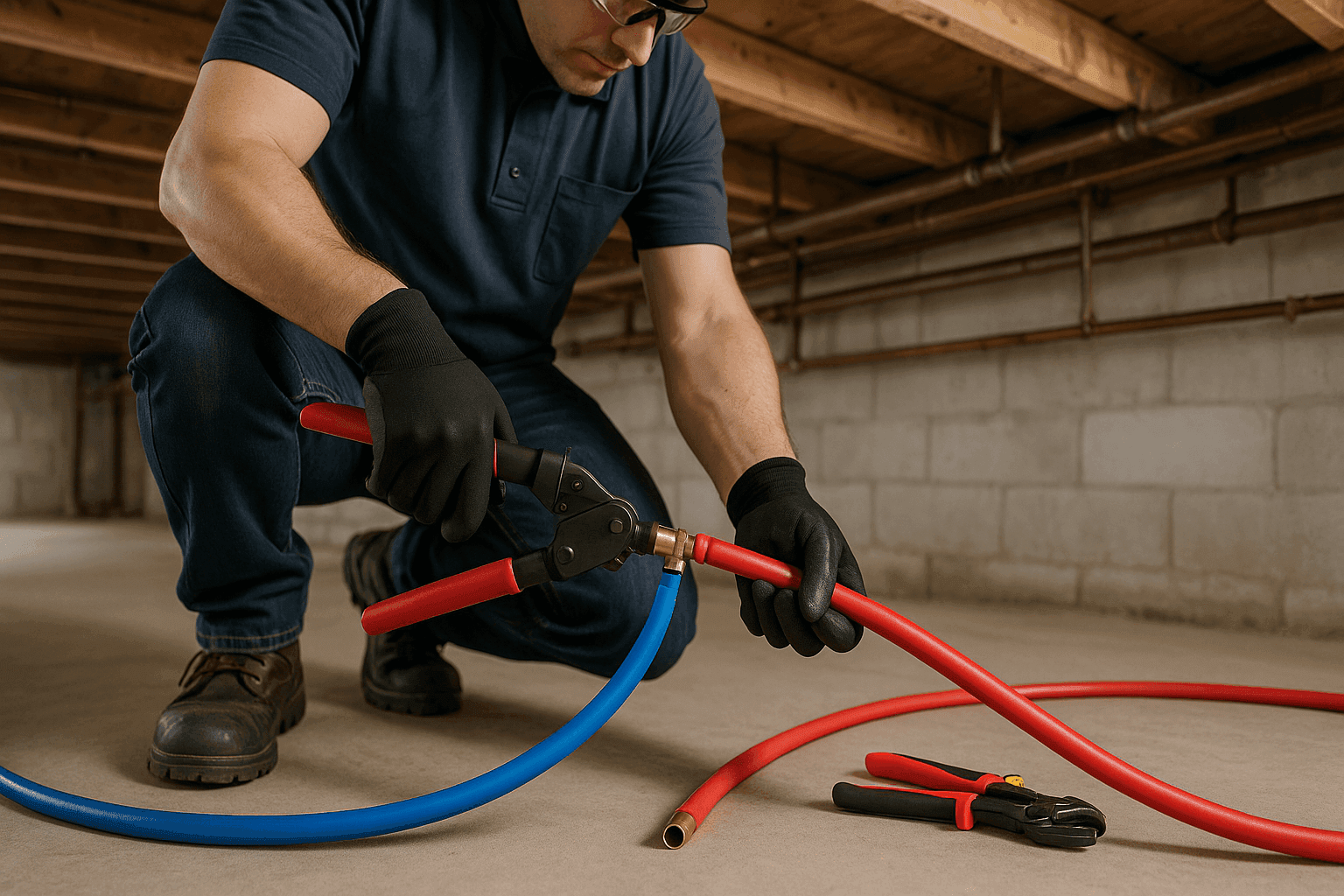
Ever have that nagging worry that your pipes are ticking time bombs? Maybe you’ve noticed odd stains on the ceiling, or your water looks rusty when it first flows. It’s unsettling. Plumbing issues can sneak up on homeowners and business managers alike—and when they do, the fallout can be costly and stressful.
At Sarum Plumbing, we understand how vital reliable piping is. It’s the backbone of your property’s water supply and value. Whether you’re dealing with water heater repair, leak detection, or planning a full repipe, knowing what to expect can make all the difference.
Signs You Need Repiping 🚨
Not all plumbing problems mean you need new pipes. But some signs point to bigger trouble beneath the surface.
- Frequent leaks: Are you calling emergency plumbing services more than twice a year for pipe repair? That’s a red flag.
- Discolored water: Brown, yellow, or cloudy water often means pipes are rusting from the inside out.
- Low water pressure: If your once-powerful shower now feels like a drizzle, buildup or corrosion could be choking your pipes.
- Visible corrosion: Green or white crust on exposed pipes—especially near joints—signals deterioration.
- Strange noises: Banging, whistling, or gurgling sounds can mean air or mineral buildup is blocking normal flow.
- Aging pipes: Most pipes last 40–70 years, depending on material. If your property predates the 1980s and hasn’t been repiped, consider an inspection.
Before & After: What Changes?
Before:
Leaky pipes, stained walls, water bills creeping higher, and a creeping sense of dread.
After:
Clean, safe water. Quiet pipes. Lower risk of sudden floods—and a property that holds its value.
This isn’t just a residential issue. Commercial properties face unique risks—lost business from water shutoffs, or health code violations from outdated, corroded plumbing.
Overview of the Repiping Process
Repiping isn’t just a patch job. Think of it as open-heart surgery for your plumbing system. Here’s how Sarum Plumbing approaches it:
- Assessment: We evaluate your current system—materials, layout, and code compliance.
- Planning: Together, we map out a repiping strategy. That includes pipe routes, material selection, and schedule.
- Preparation: Furniture is moved, floors protected, and access holes carefully planned in walls or ceilings.
- Pipe Replacement: Old pipes are systematically removed and replaced. We keep water shutoffs as brief as possible.
- Testing: Every new connection is pressure-tested for leaks.
- Restoration: Walls and ceilings are patched. We aim to leave your property as tidy as we found it.
Repiping isn’t just for homes. Offices, restaurants, and apartment buildings all benefit from fresh pipes—and are often required by local building codes or health guidelines (see the International Plumbing Code and your local regulations for specifics).
Pipe Material Options
Choosing the right pipe is like picking tires for your car. Each has pros and cons.
- Copper: Classic and reliable. Lasts decades, resists bacteria, but costs more upfront.
- PEX (cross-linked polyethylene): Flexible, easy to install, and resists scale and chlorine. Great for tight spaces or renovations.
- CPVC (chlorinated polyvinyl chloride): Affordable, corrosion-resistant. Can’t handle freezing temperatures well.
- Galvanized Steel: Once common, but now outdated due to rust and buildup. If you have these, replacement is overdue.
- HDPE (high-density polyethylene): Used mainly for underground lines; tough and durable.
When selecting, consider your water quality, climate, and future maintenance. Some insurance policies and codes may even specify what’s allowed for pipe installation near you.
For Commercial Properties
Commercial repiping might involve higher-grade materials—think double containment, special gas line installation, or backflow prevention for safety and code compliance.
Timeline and Disruption 🕒
Worried about living or working in a construction zone? Here’s what to expect:
- Homes: Most residential jobs take 3–7 days, depending on house size and complexity.
- Businesses: Larger or multi-unit buildings may need phased scheduling to keep water flowing to critical areas.
- Disruption: Water is usually shut off for only a few hours at a time. We plan ahead to minimize downtime.
- Noise & Dust: There will be some, but we use dust barriers and clean up each day.
Tip: Plan for temporary workarounds—stock up on bottled water, and let staff or tenants know the schedule.
Costs and Financing
Repiping is an investment. But waiting too long can cost far more—think water damage, mold remediation, or emergency plumbing calls at 2 a.m.
- Average cost factors: Property size, number of bathrooms, pipe material, and access difficulty all play a role.
- Residential: Smaller homes with straightforward layouts cost less. Larger, multi-story homes cost more.
- Commercial: Expect higher costs due to code requirements, larger pipe sizes, and after-hours work to avoid business disruptions.
Financing: Many property owners use home equity loans, lines of credit, or financing programs to spread out payments. Check with your bank or local resources for options.
Protecting Property Value:
Fresh pipes don’t just prevent leaks—they make your property more attractive to buyers and lenders. Old, corroded pipes can tank a sale or trigger costly insurance exclusions.
Real-World Tips for a Smooth Repiping
- Prep your space: Move valuables and clear access to plumbing fixtures.
- Communicate: Let everyone on-site know the schedule—especially in commercial settings.
- Ask about permits: Licensed plumbers will always pull required permits and schedule inspections.
- Check for lead: If your property is older than 1986, ask about lead testing and safe removal procedures.
Refer to the EPA’s guidelines on lead in drinking water, and always ensure your contractor follows local safety codes.
Frequently Asked Questions
How do I know if I need a full repipe or just a repair?
If leaks are isolated and your pipes are newer, a repair may be enough. But if leaks are widespread, water is discolored, or pipes are over 40 years old, repiping is usually best.
Will my walls be destroyed during the process?
No. Plumbers create small access holes and patch them afterward. Most repipes leave minimal visible trace after restoration.
Can I stay in my home or keep my business open?
In most cases, yes. Water may be off for parts of the day, but we work with your schedule to keep disruption to a minimum.
How long will new pipes last?
Depending on material, modern pipes can last 50 years or more with proper maintenance.
Local & Seasonal Considerations 🌧️
If you live in an area with hard water, freezing winters, or frequent storms, your pipes may wear out faster. Commercial properties near industrial zones sometimes face additional risks from water chemistry or higher usage.
- Winter: Frozen pipes are a real risk. Insulate exposed areas and schedule repiping before cold weather sets in.
- Heavy rains: Sump pump and backflow prevention become crucial for basement plumbing.
Always check local building codes and talk with a licensed plumber about site-specific needs.
Aging pipes aren’t just a headache—they’re a risk to your investment and peace of mind. Whether you’re a homeowner or manage a busy business, Sarum Plumbing makes the repiping process clear and manageable.
Call Sarum Plumbing now — or reach us anytime at 888-344-8562 .