How to Prepare Your Plumbing for Winter: Essential Tips to Prevent Freezes and Bursts
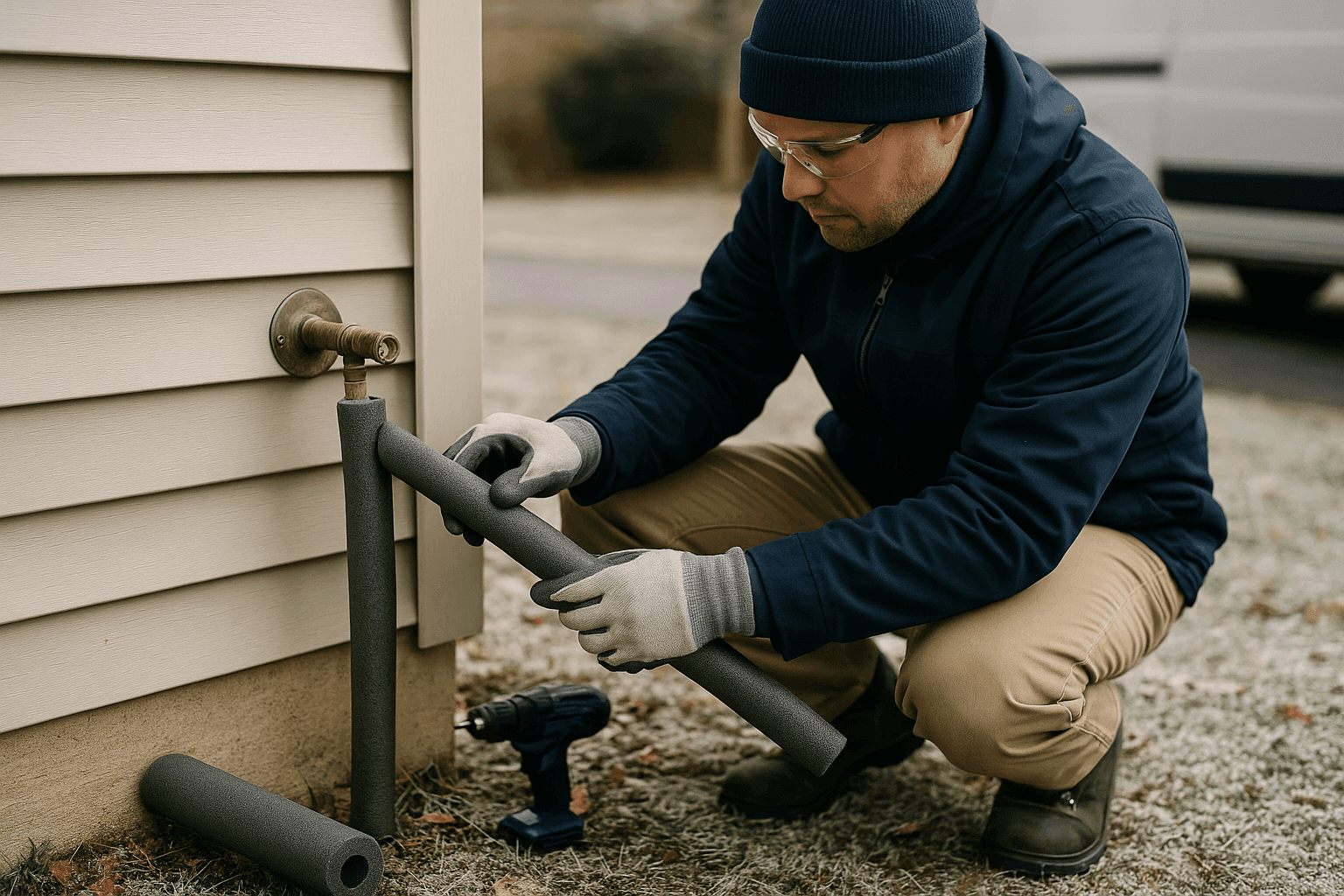
As the days get shorter and the nights turn icy, your plumbing can face more stress than you might think. One cold snap, and suddenly you’re dealing with a burst pipe, a flooded basement, or a water heater that’s given up. Winter doesn’t play favorites—it can hit homeowners and small businesses alike.
At Sarum Plumbing, we know how quickly a small issue can turn into an emergency plumbing call when temperatures drop. Let’s walk through how to keep your pipes safe, your water running, and your peace of mind intact all season long.
Why Winter Plumbing Preparation Matters ❄️
Winter is tough on plumbing. When water freezes inside your pipes, it expands, like a soda can left in the freezer. This pressure can split pipes wide open, causing leaks or full-on bursts. Even a tiny crack can leak hundreds of gallons of water in a day.
Frozen pipes and water heater breakdowns are more than inconvenient—they can halt business operations or force you out of your home for repairs. According to the International Association of Certified Home Inspectors (InterNACHI), water damage from burst pipes is one of the most common and costly insurance claims in cold weather.
Preparing your plumbing before winter isn’t just smart. It’s essential for avoiding the stress, mess, and expense of emergency plumbing repairs.
Top Causes of Winter Plumbing Failures
Winter plumbing problems rarely come out of nowhere. Here’s what puts your system at risk:
- Uninsulated Pipes: Pipes in unheated spaces—like basements, attics, garages, or exterior walls—are the first to freeze.
- Outdoor Faucets and Hoses: Water left in hoses or spigots can freeze back into the pipe, causing splits.
- Poor Leak Detection: Small leaks get worse with freezing and thawing cycles.
- Water Heater Strain: Heaters work overtime in winter, making breakdowns more likely.
- Low Water Pressure: Sometimes a sign of a freeze forming in the line.
Think of your plumbing like a marathon runner—without the right prep, it won’t survive the coldest stretch.
Step-by-Step Winter Plumbing Preparation Checklist
Don’t wait for the first freeze. Here’s how to get your plumbing winter-ready:
1. Insulate Vulnerable Pipes
- Use foam pipe insulation sleeves or wrap pipes with heat tape, especially in unheated spaces.
- Focus on pipes running along exterior walls, crawl spaces, and garages.
- For extra cold climates, consider insulating the entire crawlspace or basement ceiling.
2. Drain and Disconnect Outdoor Hoses
- Disconnect garden hoses, drain them, and store them indoors.
- Shut off and drain outdoor faucets using the indoor shut-off valves if available.
- Install insulated faucet covers on all exterior taps.
3. Check Water Pressure
- Monitor water pressure—sudden drops may signal a freeze or blockage.
- Use a pressure gauge to confirm your system is within the recommended range (usually 40–60 psi).
- High pressure can stress pipes; low pressure can mean trouble brewing.
4. Inspect for Leaks and Seal Gaps
- Look for drips under sinks, around toilets, and along exposed pipes.
- Seal gaps and cracks in walls near pipes with caulk or spray foam to keep cold air out.
- Pay attention to musty smells or unexplained puddles.
5. Service Your Water Heater
- Flush your water heater to remove sediment, which can cause inefficiency or breakdowns.
- Set the temperature to 120°F—hot enough to prevent freezing, safe enough to avoid scalds.
- Schedule a professional inspection if your heater is older or unreliable.
6. Test Sump Pumps and Backflow Devices
- Pour water into your sump pit to make sure the pump kicks on.
- Have backflow prevention devices checked—freezing can damage valves and seals.
7. Schedule a Professional Inspection
- A plumber can spot hidden vulnerabilities, test for leaks, and recommend upgrades.
- Consider preventative maintenance for peace of mind.
Early Leak Detection: Why It’s Critical
A small leak in winter is like a tiny crack in a dam. When the freeze hits, that little flaw can turn into a disaster. Early leak detection helps you fix problems before they turn into emergencies.
At Sarum Plumbing, we use advanced leak detection tools—acoustic sensors, infrared cameras, and pressure testing—to find leaks you can’t see. The sooner you catch a leak, the less likely you’ll need costly repairs down the road.
Preventative Maintenance: Your Best Defense
Regular checkups aren’t just for people. Your plumbing needs them too.
- Annual Inspections: Catch issues before they escalate.
- Pipe Insulation Upgrades: Materials wear out over time.
- Water Heater Tune-Ups: Prevent sediment buildup and corrosion.
- Backflow Testing: Required by many codes for businesses.
The Plumbing-Heating-Cooling Contractors Association (PHCC) recommends annual maintenance to reduce emergency plumbing calls and extend the life of your system.
Safety Checklist for Winter Plumbing
Before the cold sets in, run through this quick safety list:
- Insulate all exposed pipes.
- Disconnect and drain outdoor hoses.
- Shut off and drain exterior faucets.
- Test sump pump and backflow devices.
- Flush and inspect the water heater.
- Check for leaks and seal gaps.
- Know how to shut off your main water valve in an emergency.
If you’re unsure about any of these steps, don’t risk it—call a professional.
DIY vs. Call a Pro: When to Get Help
Some winter prep tasks are perfect for a weekend project. Others are best left to the pros.
DIY-Friendly Tasks
- Adding insulation to pipes.
- Draining hoses and outdoor faucets.
- Sealing visible gaps and cracks.
- Checking water pressure with a gauge.
When to Call a Plumber
- Persistent leaks or unexplained water loss.
- Low water pressure without a clear cause.
- Water heater issues (strange noises, rust, or no hot water).
- Frozen pipes (never use an open flame to thaw!).
- Backflow device or sump pump problems.
Professional plumbers have tools and training to diagnose hidden issues and ensure your system meets safety codes.
What Pros Do On Arrival
When you call Sarum Plumbing for winter prep or an emergency plumbing issue, here’s what to expect:
- Full inspection of exposed and hidden pipes.
- Leak detection using advanced equipment.
- Insulation upgrades with professional-grade materials.
- Water heater and sump pump checks.
- Code compliance checks for backflow and gas safety.
- Clear, honest recommendations—no upsells, just what your system needs.
We follow guidelines from the Uniform Plumbing Code (UPC) and the International Plumbing Code (IPC) to ensure your plumbing is safe and reliable.
Costs & Time Factors
Winter plumbing preparation is an investment that can save you thousands in emergency repairs. Here’s what affects the cost and time:
- Scope of Work: Insulating a few pipes vs. the whole house.
- Type and Age of Plumbing: Older systems may need more attention.
- Accessibility: Hard-to-reach pipes take longer.
- Professional Inspection: Usually a few hours for a full checkup.
While DIY insulation materials are affordable, professional services offer peace of mind and thoroughness. Emergency plumbing repairs, on the other hand, can be expensive and disruptive—prevention is always cheaper than a burst pipe.
When It’s an Emergency
Not sure if it’s time to call for emergency plumbing help? Here are clear signs:
- No water flow or sudden drop in pressure.
- Water stains on walls or ceilings.
- Flooding in the basement or around fixtures.
- Unusual noises from pipes or water heater.
- Frozen pipes or visible frost on exposed lines.
If you notice any of these, turn off your main water supply immediately and call Sarum Plumbing. Fast action can limit damage and keep your property safe.
Frequently Asked Questions
How do I know if my pipes are at risk of freezing?
Pipes in unheated areas, exterior walls, or near drafty windows are most at risk. If you’ve had issues in the past, those spots need extra attention.
Can I use a space heater to warm pipes?
It’s safer to use pipe insulation or heat tape. Space heaters can be a fire hazard if left unattended or used in tight spaces.
What temperature should I keep my home to prevent frozen pipes?
Most experts recommend keeping your thermostat at least 55°F, even if you’re away.
How often should I schedule professional plumbing inspections?
Annual inspections are a good rule of thumb, especially before winter.
Special Considerations for Winter Plumbing
- Business Owners: Protect pipes in rarely used areas—storage rooms, utility closets, and outbuildings.
- Older Properties: Outdated pipes are more likely to freeze or burst. Upgrading or repiping may be wise.
- Water Filtration Systems: Insulate and maintain filters and softeners to prevent freeze damage.
- Gas Lines: Schedule gas safety checks—cold weather can stress connections.
Remember, winter doesn’t wait. A little preparation now can spare you major headaches later.
Call Sarum Plumbing now — or reach us anytime at 888-344-8562 .