How Much Does Plumbing Cost? Common Repairs and Installations
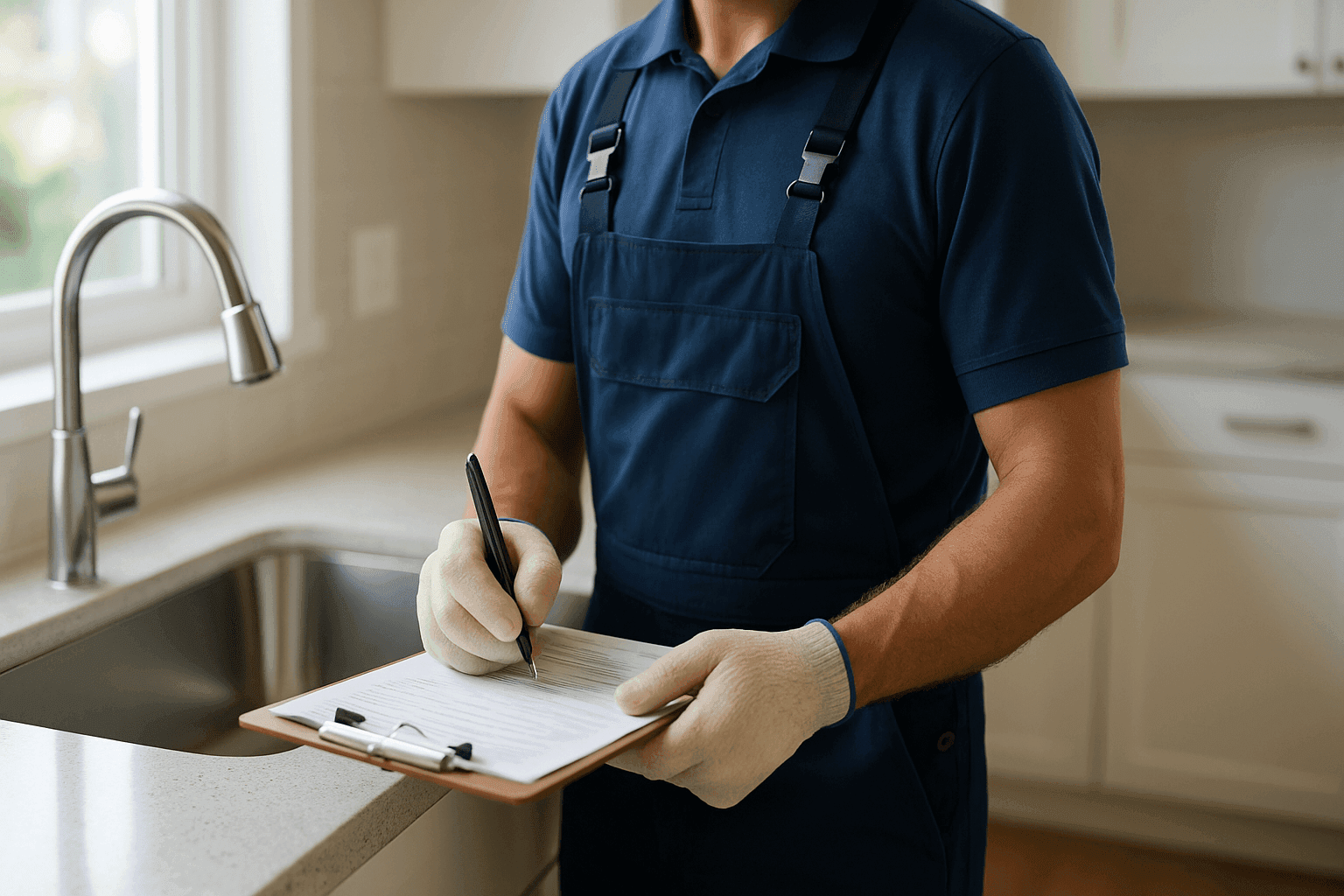
When a pipe bursts or the hot water stops flowing, most people want two things: answers and action. Plumbing emergencies don’t wait for a convenient moment, and costs can feel like a mystery. At Sarum Plumbing, we believe in clear, upfront information so you know what to expect—before the wrench turns.
Whether you’re dealing with a leaky faucet, an urgent sewer backup, or planning a new water heater installation, let’s break down what goes into plumbing costs and how you can be prepared.
Factors Affecting Plumbing Costs 🛠️
No two plumbing jobs are quite alike. Prices can swing the way a garden hose does in summer—sometimes a trickle, sometimes a torrent. Here’s what shapes the cost for emergency plumbing or even routine fixes:
- Labor: Most plumbers charge by the hour. Rates vary by region, experience, and even time of day (nights and weekends often cost more).
- Materials: Copper, PEX, PVC—the type and quality of pipe or fixture impacts your bill.
- Job Complexity: Simple leaks are one thing. Digging up a sewer line or repiping an old house? That’s a whole new kettle of fish.
- Location: Plumbing repairs in major cities or remote areas may cost more due to travel, local code requirements, and cost of living.
- Urgency: Emergency plumbing services after hours or on holidays often come with higher charges.
- Permits & Inspections: Some installations (like water heaters or gas lines) require city permits and official inspections, adding to the total cost.
Think of plumbing costs like a recipe—change one ingredient, and the flavor (and price) changes too.
Common Repairs and Their Prices
Let’s get real. Here’s what most homeowners and businesses encounter, with national averages for clarity (based on 2024 U.S. data):
Leak Repair
- Minor leak (faucet, under-sink): $150–$350
- Hidden pipe leak (behind walls): $400–$1,000+
- Major slab leaks or main water line: $1,500–$4,000
Toilet Repairs
- Clog removal: $100–$250
- Flapper, fill valve, or handle replacement: $125–$300
- Toilet installation or replacement: $250–$600
Drain Cleaning
- Simple tub or sink clog: $100–$225
- Main sewer line backup: $350–$800 (camera inspection may be extra)
Water Heater Repair
- Minor repairs (thermostat, pilot light): $150–$500
- Major repairs (element, significant leak): $400–$1,200
Garbage Disposal Repair
- Basic jam or reset: $100–$200
- Motor or complete replacement: $350–$700
These numbers are a starting point—not a guarantee. Like weather forecasts, your actual costs may drift higher or lower depending on the storm.
Installation Costs (Pipes, Water Heaters, Fixtures)
Planning an upgrade or new installation? Here’s what to expect:
Pipe Installation Near You
- Small jobs (single fixture): $300–$800
- Whole-home repiping: $4,000–$15,000 (materials and access are big factors)
Water Heater Installation
- Standard tank (40–50 gallons): $1,200–$2,500 (includes removal, labor, and city permit)
- Tankless systems: $2,500–$4,500 (higher upfront, but energy savings long-term)
Fixture Installation
- New sink, faucet, or toilet: $200–$650 per fixture (labor and basic parts)
- Water filtration system: $900–$2,500 (depends on type and complexity)
Sewer Line Installation
- Short trenchless repair: $2,000–$6,000
- Full replacement (dig and replace): $5,000–$20,000+ (length, depth, and landscaping matter)
Ways to Save
Plumbing doesn’t have to break the bank. Here are practical ways to save—without cutting corners:
- Address small issues early: A drip today can become a flood tomorrow.
- Bundle repairs: If you need multiple fixes, ask if they can be done in one visit to save on labor.
- Choose quality parts: Cheap materials may save in the short run, but reliable brands help prevent future calls.
- Regular maintenance: Annual inspections catch problems before they grow. Think of it as a health check for your pipes.
- Know what’s DIY-safe: Simple fixes like unclogging a hair trap are doable. But gas lines, boilers, and major leaks are not a place to experiment.
Remember: An ounce of prevention is worth a pound of plumbing bills.
When to Get a Second Opinion 🤔
Sometimes the first answer isn’t the best—or the only—one.
- If an estimate seems unusually high or low: Ask for a detailed breakdown.
- Big jobs (repiping, sewer, gas lines): Get at least two quotes.
- Confusing diagnosis: If you’re told you need a major replacement, but the symptoms seem minor, another set of eyes can help.
- Pressure to act fast: Emergencies require speed, but you should never feel rushed into unnecessary work.
A reputable plumber will always explain their reasoning and answer your questions.
National Averages and Real-World Factors
Why the wide range in costs? Here’s the behind-the-scenes:
- Labor rates can be $50–$250/hour, depending on city, licensing, and experience.
- Permits may cost $50–$500, required for water heaters, gas lines, and major pipe work (check local codes via the International Association of Plumbing and Mechanical Officials or your city building department).
- Material costs fluctuate—copper is pricier than PEX, and imported fixtures can add up.
- Access matters: Tight crawlspaces or concrete slabs mean more labor and higher bills.
Practical Tips for Home and Business Owners
- Keep access clear: Know where your main shut-off valve is.
- Take photos: Document leaks or damage before repairs.
- Ask for written estimates: Details matter.
- Check for licensing: Proper credentials help ensure safe, code-compliant work.
FAQ
Is emergency plumbing always more expensive?
In most cases, yes. After-hours or weekend calls often include higher hourly rates or a service fee. If it can safely wait until business hours, you might save.
How do I know if a repair is urgent?
Major water leaks, sewage backups, gas smells, or no hot water in winter—these are emergencies. Slow drains or minor drips can usually wait, but monitor them closely.
What's the lifespan of common plumbing parts?
- Water heaters: 8–12 years (with maintenance)
- Supply pipes: 50–70 years (copper), 40–50 years (PVC/PEX)
- Toilets and fixtures: Decades, if well maintained
Who regulates plumbing safety?
Plumbing work must meet local codes. The Uniform Plumbing Code (UPC) and International Plumbing Code (IPC) are widely used in the U.S. Always ask your plumber if permits or inspections are needed.
Local and Seasonal Considerations 🌧️
- Winter: Freezing temps can burst pipes—insulate exposed lines.
- Spring/Fall: Heavy rain may reveal hidden drain or sump pump issues.
- Older homes: Expect more surprises. Aging pipes and fixtures may need updating to current standards.
- Commercial buildings: Extra complexity means inspections and paperwork can take longer.
Final Thoughts
Plumbing is a lot like the circulatory system in your body—essential, mostly hidden, and critical when things go wrong. Knowing the cost factors and what to expect can help you make smart, stress-free decisions, whether it’s emergency plumbing or a planned upgrade.
Call Sarum Plumbing now — or reach us anytime at 888-344-8562 .