Pipe Repair: Temporary DIY Fixes and Permanent Solutions
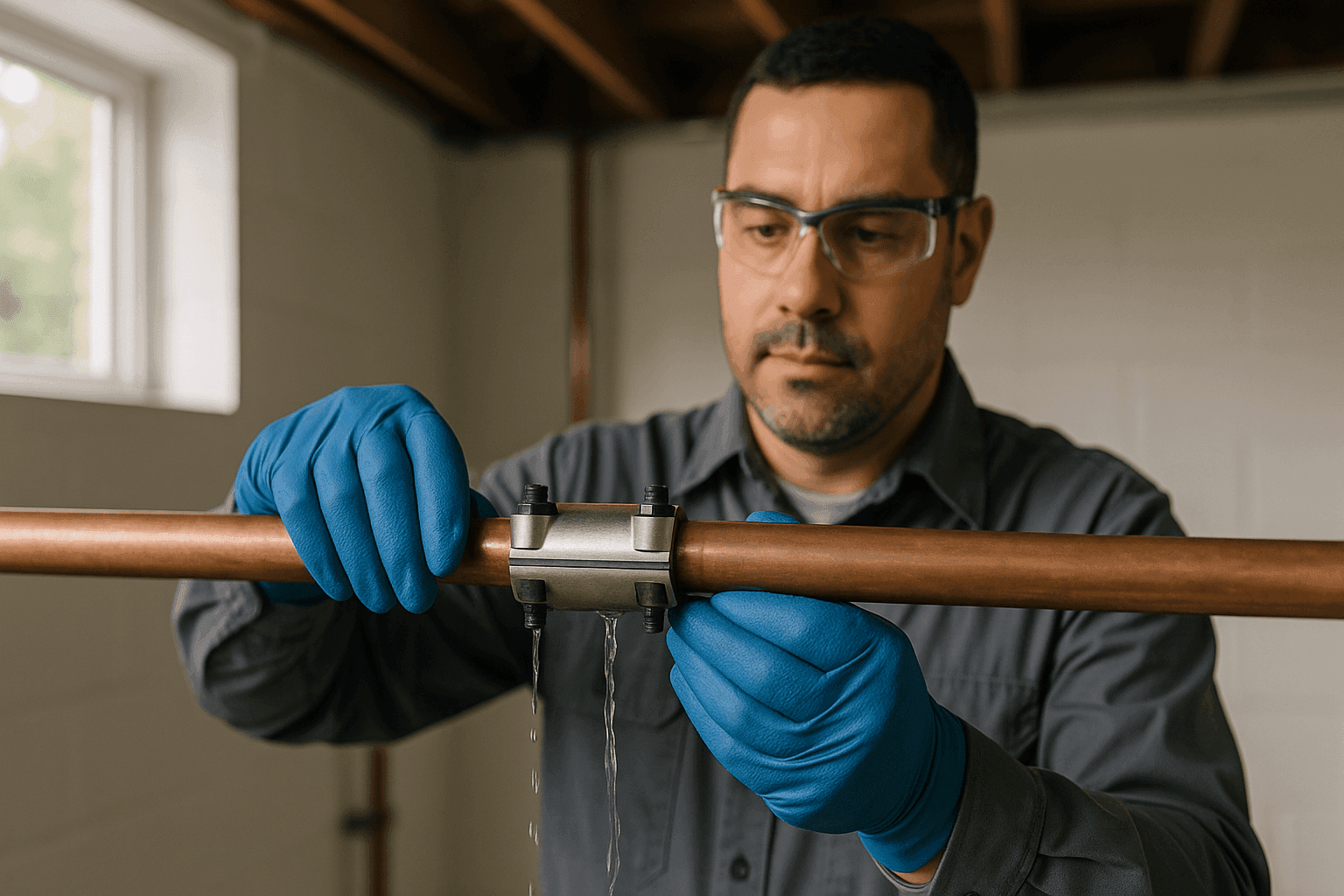
When water starts dripping from a pipe, time seems to slow down. Panic sets in. You grab towels, buckets—anything to stop the mess. Whether you’re at home or managing a business, pipe problems throw life off balance fast.
At Sarum Plumbing, we handle emergencies day and night. We also believe in empowering our customers. Here’s what you should know about pipe repair, from quick DIY patches to permanent solutions.
Common Pipe Damage Types 🚰
Pipes are like the arteries of your building. When they fail, the effects spread quickly. Here are the most common issues we see:
- Cracks: These hairline splits can grow quickly, especially in cold weather.
- Pinholes: Tiny, stubborn leaks caused by corrosion or water chemistry.
- Joint Leaks: Where pipes meet, seals or threads sometimes give way.
- Burst Pipes: Total ruptures, usually from freezing or high pressure—a true emergency.
- Loose Fittings: Vibration, age, or improper installation can loosen connections.
Each type needs a different approach. Understanding the damage helps you choose the right temporary and permanent fix.
Emergency DIY Patching Methods 🛠️
Sometimes, you just need to stop the flood. Here’s what you can do before emergency plumbing help arrives:
1. Turn Off the Water
- Find the main shutoff valve (often under the kitchen sink, in a basement, or near the water meter).
- Turn it clockwise. This stops water flow and prevents more damage.
2. Drain the Pipes
- Open taps at the lowest and highest points in the building. Let the water drain out.
3. Apply a Temporary Patch
For Small Leaks:
- Wrap the area with plumber’s tape (PTFE). Stretch it tightly over the leak.
- If you don’t have tape, use a rubber patch (like a cut-up bicycle tube) and clamp it with a hose clamp or zip ties.
For Larger Cracks:
- Use a pipe repair clamp designed for emergencies. These are available at hardware stores.
- In a pinch, a thick towel and duct tape can buy you a little time, but won’t last.
Safety Tip: Never use a DIY patch near electrical wiring or outlets. Water and electricity are a dangerous combination.
What Not to Do:
- Don’t try to solder or use heat unless you’re trained. This can worsen damage or start a fire.
- Don’t ignore leaks in gas lines—leave immediately and call emergency services.
When to Call for Professional Repair 📞
DIY patches are like umbrellas in a storm—useful, but not a real solution. Here’s when to call Sarum Plumbing or another professional:
- The pipe is actively gushing or flooding the area.
- The leak is in a wall, ceiling, or underground—hidden leaks grow fast and cause structural damage.
- There’s discoloration, mold, or musty smells. This signals long-term water damage.
- The pipe is part of your gas line. Gas leaks are never DIY.
- You’ve patched the same pipe before. Recurring leaks need a deeper fix.
Professional plumbers bring more than tools. They bring experience, code knowledge, and safety certifications. At Sarum Plumbing, our technicians are certified and trained for emergency plumbing around the clock.
Permanent Repair Options
The right repair depends on the pipe’s material, age, and damage. Let’s walk through what pros do:
1. Pipe Replacement
- Copper, PVC, or PEX: Damaged sections are cut out and replaced with new pipe, matched to code.
- Repiping: If your building has old, corroded pipes, a full upgrade may be safer and more cost-effective.
2. Professional Sealing
- For some small leaks, epoxy putty or industrial-grade clamps may be used as a semi-permanent fix.
- Joints can be re-soldered or re-threaded (for copper and galvanized pipes).
3. Leak Detection and Inspection
- Thermal cameras, acoustic sensors, and pressure testing help find hidden leaks.
- Sewer lines may be inspected with cameras to spot root intrusion or breaks.
4. Sewer and Drain Repairs
- Sewer line repair or replacement may involve trenchless technology, avoiding major excavation.
Reference: The International Plumbing Code and most local building codes require repairs to be leak-proof and pressure-tested.
5. Fixture and Appliance Repairs
- Leaks at sinks, toilets, or heaters often mean replacing gaskets, washers, or valves.
Preventing Future Pipe Failures 🛡️
Prevention is always easier than the chaos of an emergency. Here’s how you can keep your pipes healthy:
- Insulate pipes before winter to prevent freezing.
- Schedule annual leak detection—especially for older buildings.
- Install a water filtration system to reduce corrosion from hard water.
- Keep an eye on water pressure. High pressure wears out pipes; a pressure regulator can help.
- Don’t use chemical drain cleaners—they corrode pipes from the inside.
- Arrange for preventative maintenance from a licensed plumber.
Quick Safety Checklist
Before you try any DIY work, double-check these safety steps:
- Turn off water at the main valve.
- Shut off electricity to nearby outlets if water is leaking overhead.
- Wear gloves and eye protection.
- Never attempt repairs on gas pipes—leave immediately if you smell gas.
- Know where the nearest fire extinguisher is, just in case.
Risks of DIY Pipe Repair
DIY can save the day—or make things worse. Here’s what to watch out for:
- Hidden leaks can cause mold, rot, and foundation problems.
- Improper patches may burst under pressure, flooding your home or business.
- Using the wrong materials can contaminate drinking water.
- DIY repairs that don’t meet code can void insurance or cause legal issues.
If in doubt, call an emergency plumbing service. It’s better to be safe than sorry.
Pipe Repair: Residential vs. Commercial Needs
Pipe emergencies don’t discriminate. But a small home leak is different from a burst pipe in a restaurant or office.
- Residential: Focus on quick shutoff, clean-up, and protecting belongings.
- Commercial: Consider business interruption, health codes, and public safety. Fast, professional repair is critical.
Sarum Plumbing is trained for both. We handle everything from tiny kitchen leaks to major commercial pipe installations near you.
Local and Seasonal Pipe Concerns
- Winter: Freezing pipes are a top cause of bursts. Insulate exposed pipes and know the location of your shutoff valve.
- Spring: Thawing ground can shift pipes, causing leaks or breaks.
- Older Neighborhoods: Be aware of aging infrastructure—older pipes are more prone to corrosion and failure.
Frequently Asked Questions
How long does a temporary pipe patch last?
Most DIY patches are only good for a few hours to a few days. They buy time but aren’t meant to last.
Can I use duct tape to fix a leaking pipe?
Duct tape may slow a small leak for a very short time, but it won’t hold under pressure or stop a major leak. Use plumber’s tape or a proper clamp if available.
What’s the fastest way to find a hidden leak?
Look for water stains, bulging paint, or musty smells. Professional leak detection uses thermal cameras and acoustic listening devices for accuracy.
How do I know if my pipes need replacing?
If you face frequent leaks, low water pressure, or notice rusty water, it’s time for an inspection. Older pipes (especially galvanized steel) may need repiping.
The Final Word: Protect Your Pipes, Protect Your Property
Pipe problems rarely wait for a convenient time. A quick DIY patch can mean the difference between a manageable mess and a disaster. But when it comes to permanent solutions, nothing beats having a certified, experienced plumber on your side.
Whether you’re facing an emergency or planning a remodel, Sarum Plumbing is here to help—day or night. We handle everything from pipe installation near you to full repiping, leak detection, and preventative maintenance for homes and businesses.
Call Sarum Plumbing now — or reach us anytime at 888-344-8562 .