How to Maintain Your Plumbing System Year-Round: Essential Tips for Homeowners and Small Businesses
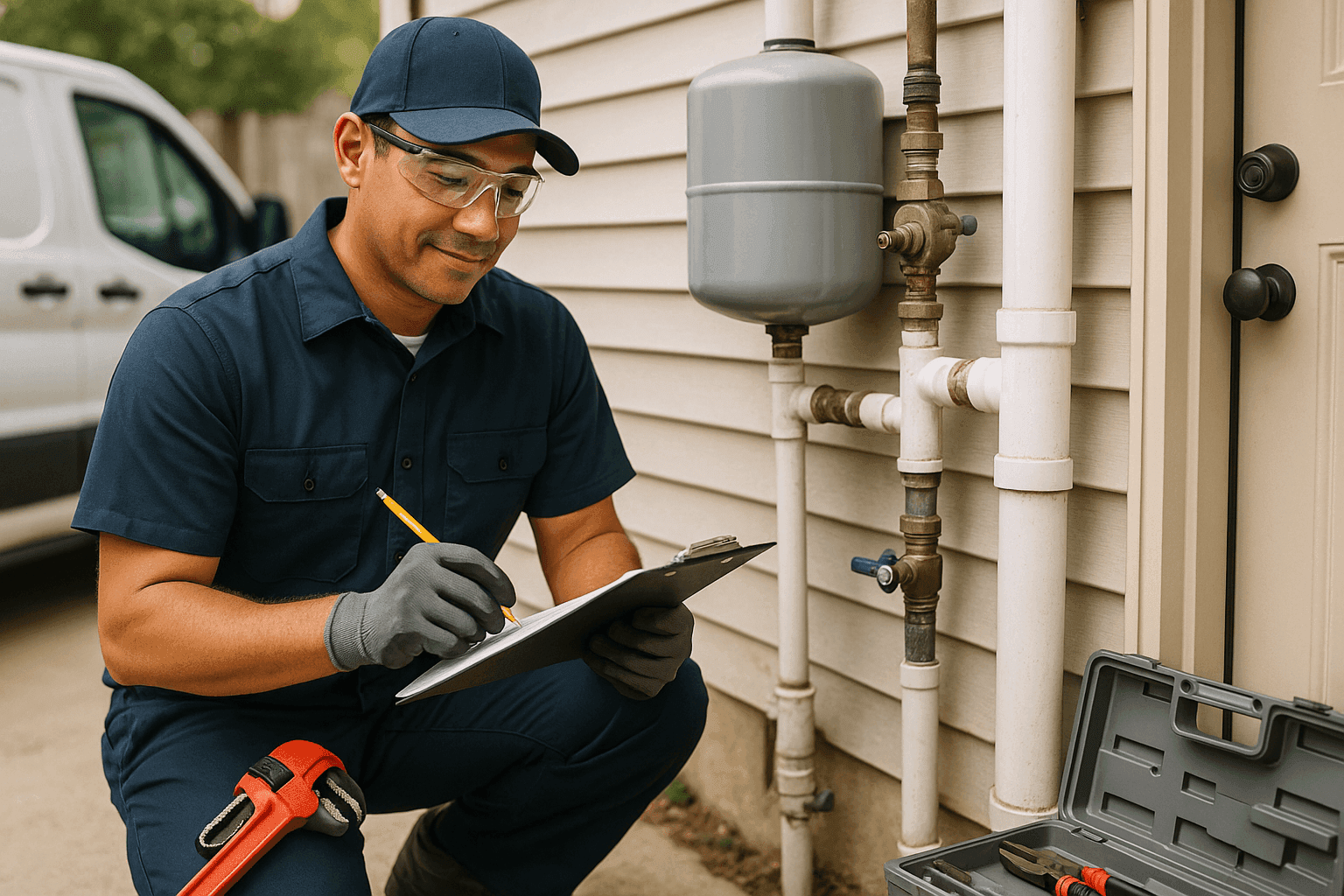
Is your plumbing system ready for everything the year throws its way? Whether you’re a homeowner or run a small business, plumbing problems can strike like a sudden downpour—unexpected and expensive. But with the right approach, you can protect your space from leaks, clogs, and emergencies.
At Sarum Plumbing, we’ve seen firsthand how a little care goes a long way. Let’s walk through how you can keep your plumbing running smoothly, avoid costly surprises, and know when it’s time to call in the pros.
Why Regular Plumbing Maintenance Matters
Think of your plumbing like the veins of your building—quietly working behind the walls, carrying water where it’s needed. Ignore it, and small issues can grow into major headaches. Regular maintenance means:
- Saving money by catching problems early
- Keeping your family or business safe from water damage and mold
- Extending the life of your pipes, fixtures, and appliances
- Avoiding the stress of emergency plumbing calls in the middle of the night
The best time to care for your plumbing? Before something goes wrong.
Seasonal Plumbing Maintenance 🗓️
Every season brings its own set of plumbing challenges. Here’s what to watch for as the months roll by.
Winter: Protect Pipes from Freezing
Cold snaps can turn water in your pipes to ice, causing them to burst. To prevent this:
- Insulate exposed pipes in unheated areas (attics, basements, garages)
- Disconnect outdoor hoses and drain spigots
- Keep a trickle of water flowing on the coldest nights
- Open cabinet doors under sinks to let warm air circulate
The Insurance Institute for Business & Home Safety recommends these steps to avoid costly winter damage.
Spring: Check for Leaks and Backups
Melting snow and heavy rain put extra pressure on your plumbing.
- Inspect for leaks under sinks and around toilets
- Check sump pumps to make sure they’re working
- Clear gutters and downspouts to direct water away from your foundation
Summer: Watch for Water Usage Spikes
Extra showers, laundry, and outdoor watering can strain your system.
- Listen for unusual noises in pipes (could signal a clog or air in the line)
- Look for slow drains—an early warning sign of a blockage
- Schedule a professional drain cleaning if you notice frequent backups
Fall: Prepare for Colder Weather
- Test your water heater before the first chill sets in
- Inspect outdoor faucets for drips
- Make sure your boiler and heating systems are serviced
A little attention each season helps prevent emergencies and keeps everything flowing.
Common Warning Signs to Watch For 🚩
Most plumbing disasters start small. Spotting trouble early can save you from big repairs later.
Look out for:
- Unexplained spikes in your water bill
- Damp spots on walls, ceilings, or floors
- Persistent musty smells (a clue to hidden leaks)
- Gurgling sounds from drains or toilets
- Water pressure that drops suddenly or fluctuates
- Slow-draining sinks, tubs, or showers
- Rusty water from taps
If you notice any of these, don’t ignore them. Small leaks can quickly become floods.
Essential Preventative Tasks
A few simple habits can keep your plumbing healthy and your stress low.
Drain Cleaning
Clogs don’t just appear overnight. Hair, grease, and soap scum build up over time. Use strainers in sinks and tubs, and avoid pouring fats or oils down the drain. For stubborn blockages, professional drain cleaning reaches deep into your pipes.
Leak Detection
Check under sinks and behind appliances regularly. Even a slow drip adds up. Water meters can help—turn off all water and see if the meter still moves.
Backflow Testing
Backflow can let dirty water into your clean supply. Annual backflow testing is recommended by plumbing codes and helps keep your water safe.
Sump Pump Maintenance
If you have a basement, test your sump pump by pouring in water to make sure it switches on. Clean the pit and check the discharge line for obstructions.
Water Heater and Boiler Care
Flush your water heater yearly to remove sediment. Listen for popping sounds, which can signal buildup.
Gas Safety Checks
If you have gas lines or appliances, schedule regular safety checks. Gas leaks are dangerous and should always be handled by professionals.
DIY Checks vs. When to Call a Pro 🛠️
Some plumbing maintenance is safe for anyone to tackle. Other jobs need the right tools and know-how.
Safe DIY Tasks
- Visual inspections for drips and corrosion
- Cleaning faucet aerators and showerheads
- Using a plunger for minor clogs
- Testing sump pumps
When to Call Sarum Plumbing
- Persistent leaks or water stains
- Sewer smells or frequent drain backups
- Low water pressure throughout the building
- Installing or repairing gas lines
- Major appliance installation (water heaters, boilers)
- Backflow prevention device checks
Remember, what looks like a small leak could be hiding a much bigger problem behind the walls.
What Professionals Do On Arrival
When you call for help, here’s what a professional plumber from Sarum Plumbing will do:
- Listen First: We ask about the symptoms you’ve noticed—no detail is too small.
- Inspect Thoroughly: Using tools like moisture meters, drain cameras, and pressure gauges, we check for hidden issues.
- Diagnose the Root Cause: We don’t just fix the symptom; we look for what’s causing it.
- Explain Your Options: Clear communication is key. We walk you through the problem and solutions.
- Repair or Replace: From pipe repair to fixture installation, we get things back to normal—safely and efficiently.
- Check for Safety: We always review gas lines, backflow devices, and water pressure to ensure your system is safe.
Our team follows industry standards and safety codes, including recommendations from the International Association of Plumbing and Mechanical Officials (IAPMO).
Prevention & Maintenance: Your Year-Round Checklist 📝
- Inspect exposed pipes each season
- Test sump pumps twice a year
- Check water heater temperature (120°F is usually safe and efficient)
- Clean drains monthly with safe, non-corrosive cleaners
- Schedule annual backflow and gas safety checks
- Watch for changes in water pressure or color
- Replace old hoses on washing machines and dishwashers every 5 years
Set reminders on your calendar or phone—these small steps can prevent big emergencies.
Costs & Time Factors
Plumbing maintenance costs less than emergency repairs. A routine inspection might take an hour, while a major leak could mean days of disruption and cleanup. Here’s what affects cost and timing:
- Size and Age of Your System: Older plumbing or larger buildings may need more attention.
- Severity of Issues: Catching a problem early keeps costs down.
- Type of Service: Simple drain cleaning is quick; repiping takes longer.
Investing a little time and money now can save you thousands later.
When It’s an Emergency 🚨
Sometimes, waiting isn’t an option. Call for emergency plumbing help if you notice:
- Sudden loss of water
- Burst pipes or flooding
- Sewage backing up into sinks or tubs
- Gas smells or hissing sounds near gas lines
- No hot water when you need it most
Quick action can prevent further damage and keep your space safe.
Frequently Asked Questions
How often should I have my plumbing inspected?
Most experts recommend a professional inspection once a year, or anytime you notice changes in your system.
Can I use chemical drain cleaners?
Avoid harsh chemicals. They can damage your pipes over time. Mechanical cleaning or enzyme-based cleaners are safer.
Why does my water pressure change suddenly?
This could signal a leak, clog, or problem with your main supply. If it happens often, call for an inspection.
What’s the best way to prevent frozen pipes?
Insulate exposed pipes and keep a small trickle of water running during extreme cold. Open cabinets to let warm air reach pipes.
Special Considerations for Homeowners and Small Business Owners
Every building is unique. Small businesses may have commercial-grade fixtures or higher water usage. Homeowners often deal with aging pipes and appliances. Whether it’s a busy kitchen, a guest bathroom, or a basement prone to flooding, regular checks and seasonal prep are key.
For businesses, plan maintenance during off-hours to avoid disruptions. For homes, pay special attention before vacations or extended absences—shut off the main water valve and drain pipes if you’ll be away for long periods.
No matter your situation, proactive care keeps your plumbing reliable, safe, and efficient.
Call Sarum Plumbing now — or reach us anytime at 888-344-8562 .