Kitchen Plumbing Problems: Quick Fixes and Prevention
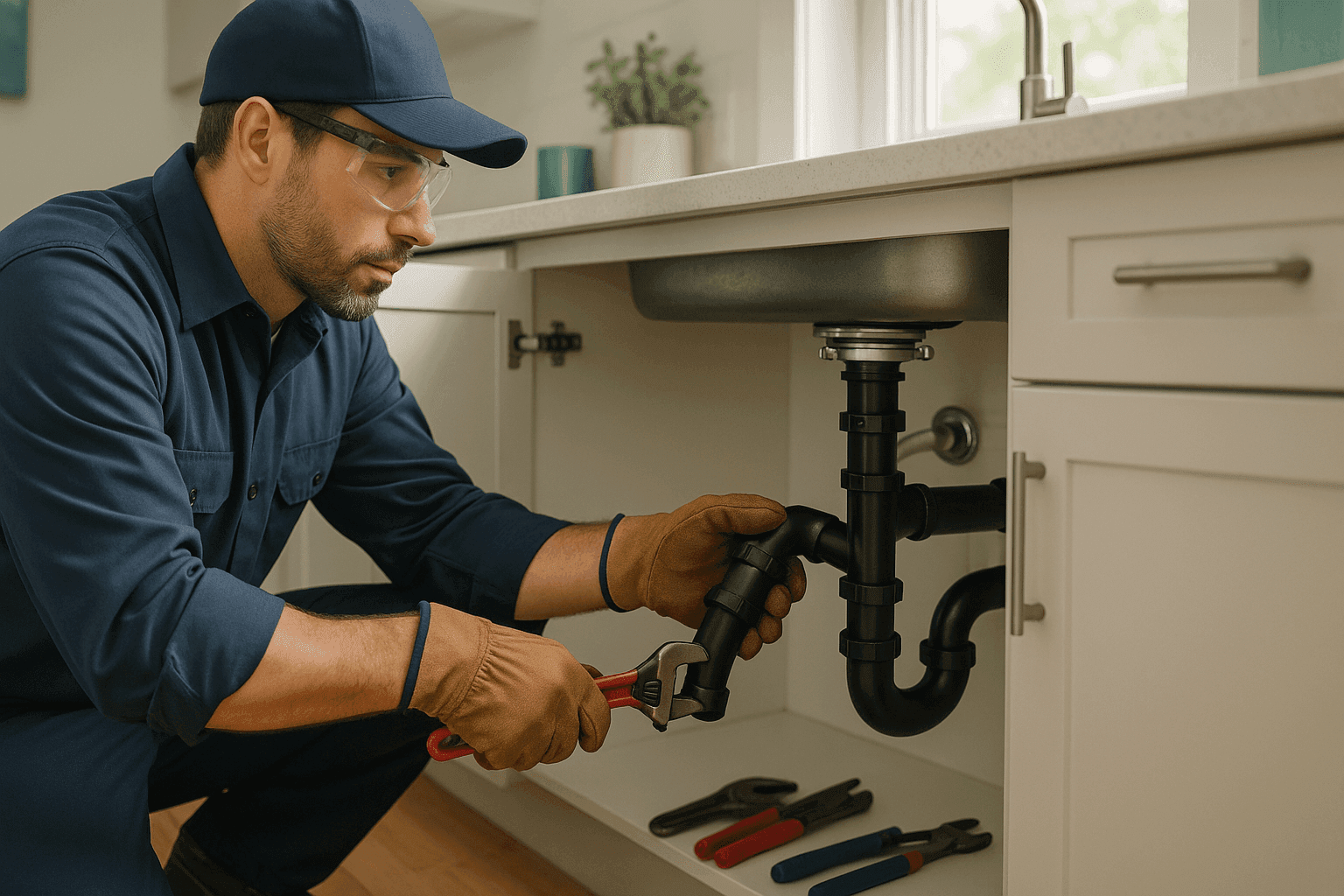
Kitchens are the heart of any home or bustling restaurant. But nothing brings that to a halt faster than a blocked sink, a leaking faucet, or a dishwasher that’s suddenly spewing water everywhere. At Sarum Plumbing, we know how quickly a small issue can turn into a full-blown emergency. Pipes don’t wait for business hours—and neither do we.
Whether you’re a homeowner facing a stubborn clog or a café manager worried about lost revenue, plumbing problems demand fast, smart action. Let’s walk through common kitchen plumbing headaches, what you can do right now, and how to keep your kitchen running smoothly.
Common Kitchen Plumbing Problems
Kitchens see it all. Grease, food scraps, soap, and water—sometimes all at once. Here’s what tends to go wrong most in both home and commercial kitchens:
- Clogged Sinks: Food, grease, and soap scum love to team up and block your pipes.
- Leaky Faucets: That drip-drip-drip isn’t just annoying—it wastes water and can signal worn-out parts.
- Dishwasher Backups: Water not draining? That’s often a clog in the hose or a blocked filter.
- Garbage Disposal Jams: Bones, fibrous veggies, or too much at once can bring a disposal to a standstill.
- Low Water Pressure: Mineral build-up or hidden leaks could be the culprit.
- Under-Sink Leaks: Loose connections, cracked pipes, or tired seals let water sneak out.
- Foul Odors: Rotting debris inside drains or disposals can turn your kitchen into a nose-pinching zone.
Whether you’re washing dishes at home or prepping for a dinner rush, any of these can disrupt your day.
DIY Fixes for Leaks and Clogs 🛠️
Many kitchen plumbing issues start small. Sometimes, you can tackle them with tools and a little know-how. Other times, it’s best to stop and call in help.
For Sinks
- Slow Drain: Pour boiling water down the drain, followed by a mix of baking soda and vinegar. Wait 15 minutes, then flush again with hot water.
- Plunger: A kitchen plunger can nudge out minor clogs. Make sure you have enough water in the sink to cover the plunger’s cup.
- Remove the Trap: Place a bucket under the U-shaped pipe (the “trap”) beneath the sink. Unscrew the fittings and clear out any debris.
For Dishwashers
- Check the Filter: Remove food scraps or buildup from the bottom filter.
- Inspect the Drain Hose: Kinks or clogs here can stop water from leaving the machine.
- Run a Cleaning Cycle: Use a dishwasher cleaner or a cup of vinegar to clear grease and residue.
For Garbage Disposals
- Reset Button: Locate the red reset button on the bottom. If the disposal hums but doesn’t spin, press this first.
- Manual Turn: Insert a hex key into the bottom slot and twist to free up stuck blades.
- Never Put Hands Inside: If something’s jammed, always unplug the unit first.
Quick Leak Fixes
- Tighten Connections: Hand-tighten any loose nuts under the sink.
- Use Plumber’s Tape: For tiny drips, wrap joints with plumber’s tape until you can get a permanent fix.
Remember: If water is pouring out uncontrollably or you smell gas, turn off the main supply and call emergency plumbing right away.
When to Call a Professional
Some plumbing problems are like icebergs—what you see is only the tip. Call Sarum Plumbing if you notice:
- Water pooling under appliances or cabinets
- Persistent clogs even after plunging
- Bad smells coming back after cleaning
- Water pressure dropping suddenly
- Sounds of running water behind walls
Commercial kitchens, in particular, should never risk downtime. Fast, reliable pipe installation near you can prevent lost business and health code violations.
Preventing Future Issues 🚰
Prevention beats panic every time. Build these habits into your kitchen routine:
- Don’t Pour Grease Down the Drain: Pour it into a can and dispose of it in the trash.
- Use Sink Strainers: Catch food scraps before they head down the pipes.
- Run Hot Water Regularly: Keeps oils from hardening inside pipes.
- Clean Disposal Weekly: Toss in ice cubes and lemon peels—this sharpens blades and freshens up.
- Inspect Hoses and Fittings: Look for cracks, bulges, or rust every few months.
- Schedule Annual Maintenance: A pro can spot problems before they turn serious.
Following these steps can keep your kitchen humming, whether you’re cooking for a family or a full dining room.
Maintenance Checklist
Stay ahead of trouble. Here’s a quick list for both home and commercial kitchens:
- Check under sinks for moisture or stains
- Listen for unusual gurgling or knocking in pipes
- Clean dishwasher filters monthly
- Flush drains with hot water weekly
- Test water pressure at faucets
- Inspect garbage disposal for odd noises or odors
- Look at visible pipes for corrosion or leaks
- Test shut-off valves to make sure they turn easily
Simple, regular checks can save you from surprise emergencies.
Troubleshooting Sinks, Dishwashers, and Disposals
Sinks
- Gurgling: Air in the line—could signal a venting issue.
- Standing Water: Persistent? Likely a deeper clog in the main line.
Dishwashers
- Not Draining: Check for food buildup in the filter or hose.
- Leaking Door: Gasket may be worn or blocked by debris.
Garbage Disposals
- Won’t Start: Check reset button; make sure it’s plugged in.
- Grinds Slowly: Blades may be dull or jammed.
Don’t ignore warning signs. Small sounds or slow drains often point to bigger issues down the line.
When Is It an Emergency?
Some kitchen plumbing problems can wait. Others need immediate action—think of it like a fire drill for your pipes.
- Burst Pipe: Water gushing out? Shut off the main supply and call for emergency plumbing.
- Sewage Smells or Backups: This is a health hazard. Act fast.
- No Water Flow: Could signal a major blockage or supply issue.
- Gas Smell: For kitchens with gas lines, always treat this as urgent. Evacuate and call professionals.
If you’re ever unsure, err on the side of caution. Safety first.
Costs & Time Factors
Fixing kitchen plumbing problems depends on the issue, materials, and how easy it is to reach. Here are some general factors:
- DIY Fixes: Simple clogs or tightening connections can take 15–30 minutes.
- Professional Repairs: Leak repair, pipe installation, or unclogging tough drains may take 1–3 hours.
- Replacement: New fixtures or repiping can take several hours or require a follow-up visit.
Costs vary by parts, labor, and urgency. After-hours or emergency plumbing will usually carry a higher price tag because the risk and resource need are higher.
Local and Seasonal Considerations 🌧️
Cold snaps can freeze pipes—even in commercial kitchens with lots of activity. In humid conditions, leaks can go unnoticed under sinks or behind appliances. If you’re in an older building, pipes may be more prone to corrosion or blockages. Always check your plumbing before the busy holiday cooking season or major events.
If your kitchen is in a flood-prone area, consider sump pump repair and backflow prevention measures. Following local building codes (see references to the International Plumbing Code and National Kitchen & Bath Association guidelines) helps ensure long-term safety and reliability.
Frequently Asked Questions
How often should I clean my kitchen drains?
Aim for once a week with hot water and every month with baking soda and vinegar.
What foods should never go in the garbage disposal?
Avoid fibrous veggies (like celery), coffee grounds, eggshells, grease, and bones.
Why does my dishwasher smell bad, even after cleaning?
Check for hidden food scraps in the filter or drain hose. Run a cleaning cycle with vinegar.
Is low water pressure a sign of a leak?
Sometimes. It could also be mineral buildup in the aerator. If cleaning doesn’t help, have a pro check for leaks.
Final Thoughts
Kitchen plumbing problems can be a hassle, but with the right knowledge and a little routine care, most can be managed or even prevented. When things get out of hand, Sarum Plumbing is always ready for emergency plumbing—day or night.
Call Sarum Plumbing now — or reach us anytime at 888-344-8562 .