How to Winterize Your Plumbing System to Prevent Costly Damage
Winter can be tough on your plumbing. Pipes don’t care how busy your schedule is—they just react to the cold. One freeze, and suddenly you’re dealing with leaks, water damage, or a full-blown emergency plumbing call at the worst possible moment.
At Sarum Plumbing, we’ve seen firsthand how a little preparation can save property owners from big headaches. Winterizing your plumbing isn’t just smart—it’s essential. Let’s walk through how you can protect your home or business from costly winter damage.
Understanding Winter Plumbing Risks ❄️
Cold weather is no friend to pipes and fixtures. When temperatures drop, water inside pipes can freeze. As water freezes, it expands—like a soda can left in the freezer. This expansion creates pressure, sometimes enough to crack even sturdy pipes.
Here are the most common winter plumbing problems:
- Frozen Pipes: Water supply lines in unheated areas (basements, crawl spaces, attics, garages) are especially vulnerable.
- Burst Pipes: When frozen water expands, pipes can split. Once they thaw, water gushes out—often unnoticed until major damage is done.
- Leaks and Water Damage: Even a small crack can leak hundreds of gallons, damaging walls, floors, and belongings.
- Water Pressure Issues: Ice blockages restrict flow, causing faucets to sputter or stop.
- Malfunctioning Water Heaters: Cold weather puts extra strain on heaters, sometimes leading to breakdowns.
- Sump Pump Failures: Increased moisture and freezing temperatures can cause sump pumps to fail just when you need them most.
According to the International Association of Certified Home Inspectors, water damage from frozen pipes is one of the most common and costly problems for property owners during winter. Prevention is far less expensive than repairs.
Step-by-Step Winterization Process
Taking action before the first freeze is the best way to avoid plumbing disasters. Here’s how to get your system ready:
1. Insulate Exposed Pipes
- Identify Vulnerable Areas: Check basements, attics, crawl spaces, garages, and exterior walls.
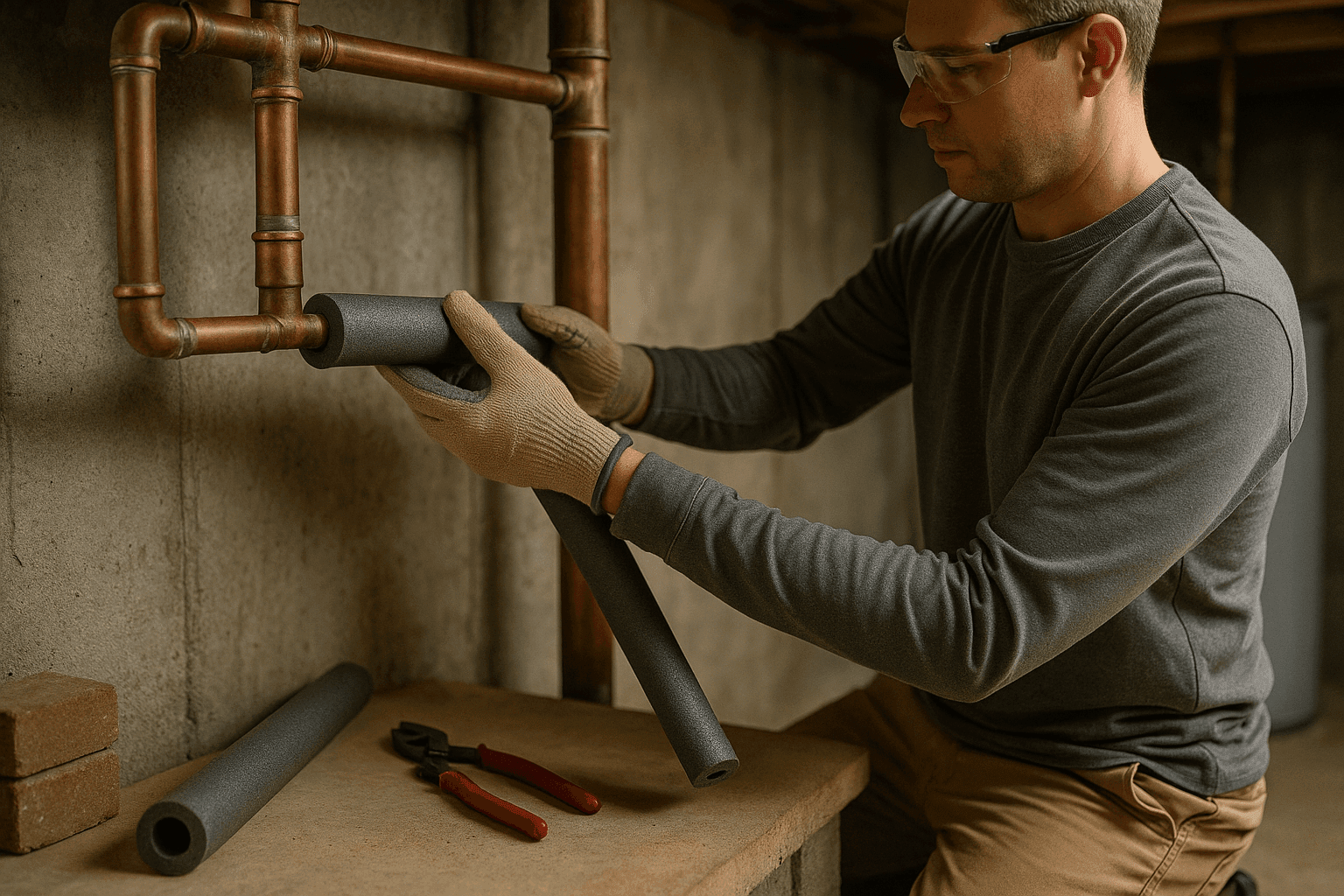
- Use Pipe Insulation: Foam tubes or fiberglass sleeves work well. Wrap pipes tightly, especially those running along exterior walls.
- Don’t Forget Outdoor Spigots: Install insulated covers or frost-proof hose bibs.
2. Drain Outdoor Faucets and Hoses
- Disconnect Hoses: Remove and store all garden hoses.
- Shut Off Outdoor Water Supply: Locate and close the shutoff valve for outdoor faucets.
- Open the Faucet: Allow any remaining water to drain out.
- Install Insulated Covers: Protect faucets from the cold.
3. Seal Leaks and Drafts
- Inspect for Drafts: Cold air sneaking in through gaps can freeze pipes.
- Seal with Caulk or Foam: Apply around windows, doors, and where pipes enter the building.
4. Maintain Water Heaters
- Check Temperature: Set water heater to 120°F (49°C) for efficiency and safety.
- Flush the Tank: Remove sediment buildup that can cause inefficiency or failure.
- Insulate the Tank: Use a water heater blanket if your model isn’t already insulated.
5. Test Sump Pumps
- Pour Water Into the Pit: Ensure the pump activates and drains water properly.
- Check Discharge Lines: Make sure the line is clear and not exposed to freezing temperatures.
6. Inspect and Service Other Key Fixtures
- Toilets and Sinks: Check for leaks or slow drains.
- Garbage Disposals: Run briefly with cold water to clear debris.
- Backflow Devices: Test for proper operation (required by many safety codes).
7. Prepare for Absences
If you’ll be away for an extended period:
- Keep the Heat On: Maintain indoor temperature above 55°F (13°C).
- Open Cabinet Doors: Allow warm air to circulate around pipes under sinks.
- Consider Draining the System: For vacant properties, shut off the main valve and drain all water lines.
DIY Tips and When to Call a Professional 🛠️
Some winterizing tasks are straightforward. Others are best left to licensed plumbers.
What You Can Do Yourself
- Install foam pipe insulation on exposed pipes.
- Disconnect hoses and drain outdoor faucets.
- Apply caulk or weatherstripping around windows and doors.
- Check and adjust your water heater temperature.
- Test your sump pump with a bucket of water.
When to Call a Professional
- You’re Unsure About Your System: If you can’t locate shutoff valves or identify all vulnerable pipes.
- Major Repairs Needed: Leaks, broken fixtures, or visible pipe damage.
- Gas Line Concerns: Never attempt to repair or install gas lines yourself. Always use a certified technician.
- Complex Systems: Commercial properties, multi-unit buildings, or older homes with complicated plumbing layouts.
Licensed plumbers follow industry best practices and local codes (such as those from the International Plumbing Code and Uniform Plumbing Code). They can also perform backflow testing, repiping, and advanced leak detection—services that require professional tools and expertise.
Emergency Preparedness for Winter Plumbing 🚨
Even with the best preparation, emergencies can still happen. Recognizing early warning signs can help you act fast and minimize damage.
Early Signs of Trouble
- Frost on Pipes: Visible ice or frost is a red flag.
- Unusual Sounds: Banging, clanking, or whistling from pipes.
- Sudden Drop in Water Pressure: May indicate a blockage or leak.
- Water Stains or Dampness: On walls, ceilings, or floors near plumbing.
Immediate Actions to Take
- Shut Off the Water: Know where your main water valve is and how to use it.
- Open Faucets: Relieve pressure by opening taps if you suspect a freeze.
- Apply Gentle Heat: Use a hair dryer (never an open flame) to thaw frozen pipes.
- Call Emergency Plumbing Services: If you spot a burst pipe or major leak, get help right away.
Quick action can make the difference between a minor inconvenience and a major disaster.
Preventative Maintenance: The Key to Winter Plumbing Health
Routine plumbing maintenance is like an annual flu shot for your home. It helps prevent problems before they start.
- Schedule Regular Inspections: Have a professional check your system each fall.
- Test Backflow Devices: Required for many commercial and residential properties.
- Flush Water Heaters: At least once a year to remove sediment.
- Inspect Sump Pumps and Drains: Ensure they’re clear and working.
- Monitor Water Pressure: Sudden changes can indicate hidden leaks.
Following manufacturer guidelines and local plumbing codes keeps your system safe and efficient.
Costs and Time Factors
Winterizing your plumbing doesn’t have to break the bank. Most DIY supplies—pipe insulation, faucet covers, caulk—are inexpensive and widely available.
- Time Investment: A typical homeowner can complete basic winterization in a weekend.
- Professional Services: Costs depend on the size and complexity of your system. Emergency plumbing calls for burst pipes or major leaks are always more expensive than preventative maintenance.
Remember, the cost of repairs from a burst pipe or water heater failure can easily run into thousands. Prevention is always the better investment.
When It’s an Emergency
Some situations can’t wait. If you notice:
- Water pouring from ceilings, walls, or under sinks.
- No water coming from faucets (possible frozen main line).
- Gas smells or hissing near gas lines.
- Flooded basements or malfunctioning sump pumps.
Don’t risk your safety. Shut off the water (and gas, if needed), evacuate if necessary, and call for emergency plumbing services immediately.
Frequently Asked Questions
How do I know if my pipes are frozen?
If you turn on a faucet and only a trickle comes out, or you see frost on exposed pipes, they may be frozen. Open the faucet and gently warm the pipe starting closest to the faucet.
Is pipe insulation really necessary?
Yes. Pipe insulation is a small investment that can prevent major damage. It’s especially important for pipes in unheated areas.
Can I use heat tape on my pipes?
Heat tape can be effective, but it must be installed according to the manufacturer’s instructions and local safety codes. If you’re unsure, consult a professional.
What temperature should I keep my home in winter?
Keep your thermostat set to at least 55°F (13°C), even if you’re away. This helps prevent freezing.
Special Considerations for Winter Plumbing
- Older Homes: May have less insulation and more vulnerable pipes.
- Vacant Properties: Require special attention—consider draining the entire system.
- Commercial Buildings: Often have complex plumbing; schedule professional inspections before winter hits.
- Water Filtration and Backflow Prevention: Ensure these systems are protected from freezing and tested regularly.
A little prevention goes a long way. Winterizing your plumbing system now can save you from costly repairs, water damage, and stress down the road. If you need help or run into trouble, Sarum Plumbing is here for you—day or night.
Call Sarum Plumbing now — or reach us anytime at 888-344-8562 .