Gas Line Installation and Safety: What Every Property Owner Should Know
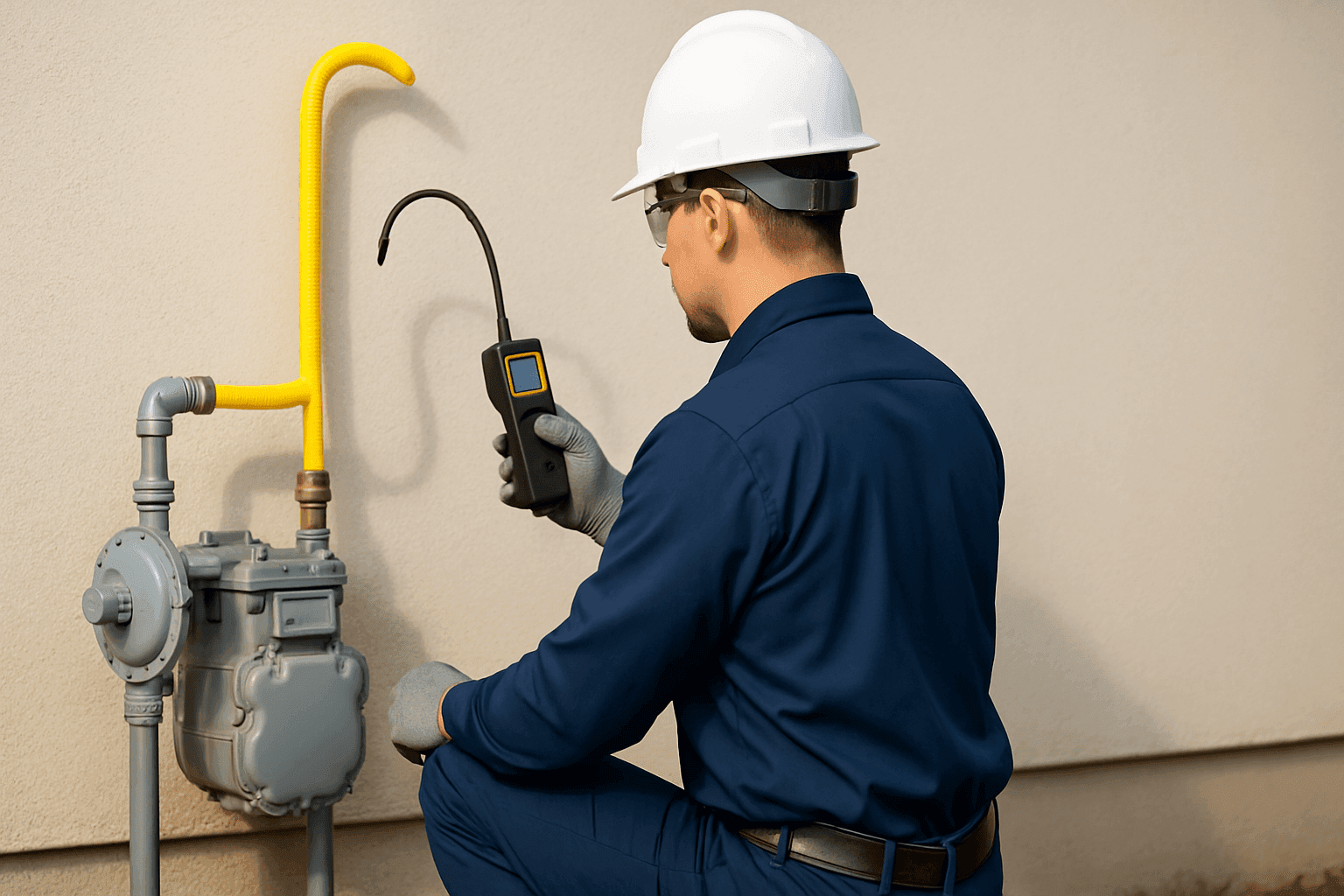
Gas lines are the invisible arteries of your home or business. They keep kitchens cooking, heaters humming, and hot water at your fingertips. But when something goes wrong, the consequences can be serious—fast.
At Sarum Plumbing, we understand how urgent gas line issues can be. Whether you’re building new, renovating, or facing an emergency plumbing situation, gas safety should never be left to chance.
The Gas Line Installation Process 🔧
Installing a gas line isn’t like hanging a picture or patching drywall. It’s more like threading a lifeline through the heart of your property—one tiny mistake can lead to a world of trouble.
Here’s how professional gas line installation typically unfolds:
- Assessment and Planning: Every job starts with a careful look at your property’s needs and layout. Are you adding a new stove? Upgrading your water heater? We plan the route for safe, efficient delivery.
- Material Selection: Only approved pipes and fittings make the cut. Flexible CSST (corrugated stainless steel tubing), black iron, or copper—each has its place, depending on code and use.
- Permitting: Before we touch a wrench, proper permits are pulled. Local regulations are strict for good reason.
- Installation: Pipes are cut, fitted, and sealed with precision. Every joint is checked—twice.
- Testing and Inspection: Using certified leak detectors and pressure tests, we make sure everything’s airtight.
- Final Approval: Local building officials inspect the work before the gas is turned on.
The goal? Safety and reliability, from the first spark to the final inspection.
Safety Codes and Permits
Gas line installation is governed by a web of safety codes—national, state, and local. These aren’t just red tape. They’re shields against disaster.
- Codes: The International Fuel Gas Code (IFGC) and National Fuel Gas Code (NFPA 54) set the standard. Local rules may go further.
- Permits: Unpermitted work can void insurance and even lead to fines.
- Certifications: Only licensed plumbers or gas fitters are legally allowed to install or repair gas lines. At Sarum Plumbing, our team is fully licensed and trained. We stay current with all code updates and safety protocols.
Cutting corners or skipping paperwork is like driving without brakes. It’s not worth the risk.
Detecting and Responding to Gas Leaks 🛑
Gas leaks are silent, invisible threats—until they aren’t. A faint rotten egg smell. A hissing sound near a pipe. Dead plants above buried lines. These are all warning signs.
If you suspect a leak:
- Leave the area immediately. Don’t flip any switches or use your phone inside.
- Call your gas utility and emergency plumbing professionals from a safe location.
- Do not try to find the leak yourself.
Gas leaks can escalate quickly. According to the U.S. Consumer Product Safety Commission, natural gas explosions and carbon monoxide poisoning are real dangers. Don’t gamble with your safety.
Professional vs DIY Installation
Tempted to install a gas line yourself? It’s not like assembling a bookshelf. Gas work requires specialized tools, permits, and know-how that can’t be picked up from a video.
Risks of DIY:
- Fire or explosion from improper connections
- Carbon monoxide leaks
- Voided homeowner’s insurance
- Heavy fines for unpermitted work
Why go pro?
- Licensed plumbers understand every twist and turn of code.
- We handle all permitting and inspections.
- Our work is tested, documented, and certified safe.
Think of it like building a bridge over a canyon. Would you trust a shortcut, or call the experts?
Quick Safety Checklist
Want to keep your property safe before, during, and after gas line work? Start with these steps:
- Always use a licensed, insured plumber for pipe installation near you.
- Make sure all work is permitted and inspected.
- Install carbon monoxide detectors near gas appliances.
- Never block or cover gas meters and shut-off valves.
- Schedule annual gas safety checks.
A little prevention goes a long way.
Emergency Plumbing Protocols
Gas emergencies don’t wait for business hours. At Sarum Plumbing, we’re trained to respond day or night.
What to do in a gas emergency:
- Evacuate immediately. Don’t pause to pack up valuables.
- Call emergency services and your utility provider.
- Wait for professionals to declare the area safe before returning.
Our team arrives with advanced leak detection equipment and the know-how to make things right, fast.
Prevention & Maintenance
Preventative maintenance is the unsung hero of gas safety. Pipes, fittings, and valves age—sometimes quietly, sometimes suddenly.
Tips for long-term safety:
- Have your gas lines inspected annually.
- Replace aging or corroded pipes promptly.
- Upgrade to modern flexible connectors where code allows.
- Watch for changes in appliance performance or pilot lights.
Prevention isn’t just peace of mind—it’s protection.
Costs & Time Factors
Gas line installation isn’t a one-size-fits-all job. The final price tag depends on:
- Distance from supply line to appliance
- Pipe material and diameter
- Number of fittings, bends, and fixtures
- Permit and inspection fees
- Accessibility (crawl space, slab, etc.)
Most installations take a few hours to a day. Emergency repairs may move faster—but only if all safety protocols are followed.
When It’s an Emergency
Not every gas line problem is a crisis. But some are. If you notice:
- A strong gas odor
- Unexplained dizziness, headaches, or nausea indoors
- Appliances that flicker or won’t light
- Sudden spike in gas bills
Treat it like a fire drill. Leave, call for help, and let licensed emergency plumbing professionals handle the rest.
FAQ
Q: How often should I have my gas lines inspected?
A: At least once a year. More often if your property is older or you’ve had previous issues.
Q: Can I move or alter a gas appliance myself?
A: No. Even small changes can create leaks or code violations. Always use a licensed plumber.
Q: What’s the difference between natural gas and propane lines?
A: Both require specialized installation and equipment. The main difference is pressure and delivery method—your installer will know what’s right.
Q: Are there signs of a hidden gas leak?
A: Yes—wilting plants, hissing sounds, or unexplained health symptoms indoors. When in doubt, call for professional leak detection.
Local and Seasonal Considerations
Weather and soil conditions can affect gas lines. For example, freezing temperatures can stress pipes and joints. Heavy rain can erode buried lines. Tree roots may shift nearby pipes over time.
If you’re in an area with shifting soil or frequent temperature swings, schedule regular pipe inspections. Prevention is always easier than emergency repair.
Gas line installation and safety aren’t just technical—they’re personal. Your home or business deserves the care, skill, and legal compliance only licensed professionals provide.
For emergency plumbing, pipe installation near you, or routine safety checks, Sarum Plumbing is ready to help.
Call Sarum Plumbing now — or reach us anytime at 888-344-8562 .