Garbage Disposal Repair: Fixes, Safety, and Maintenance Tips
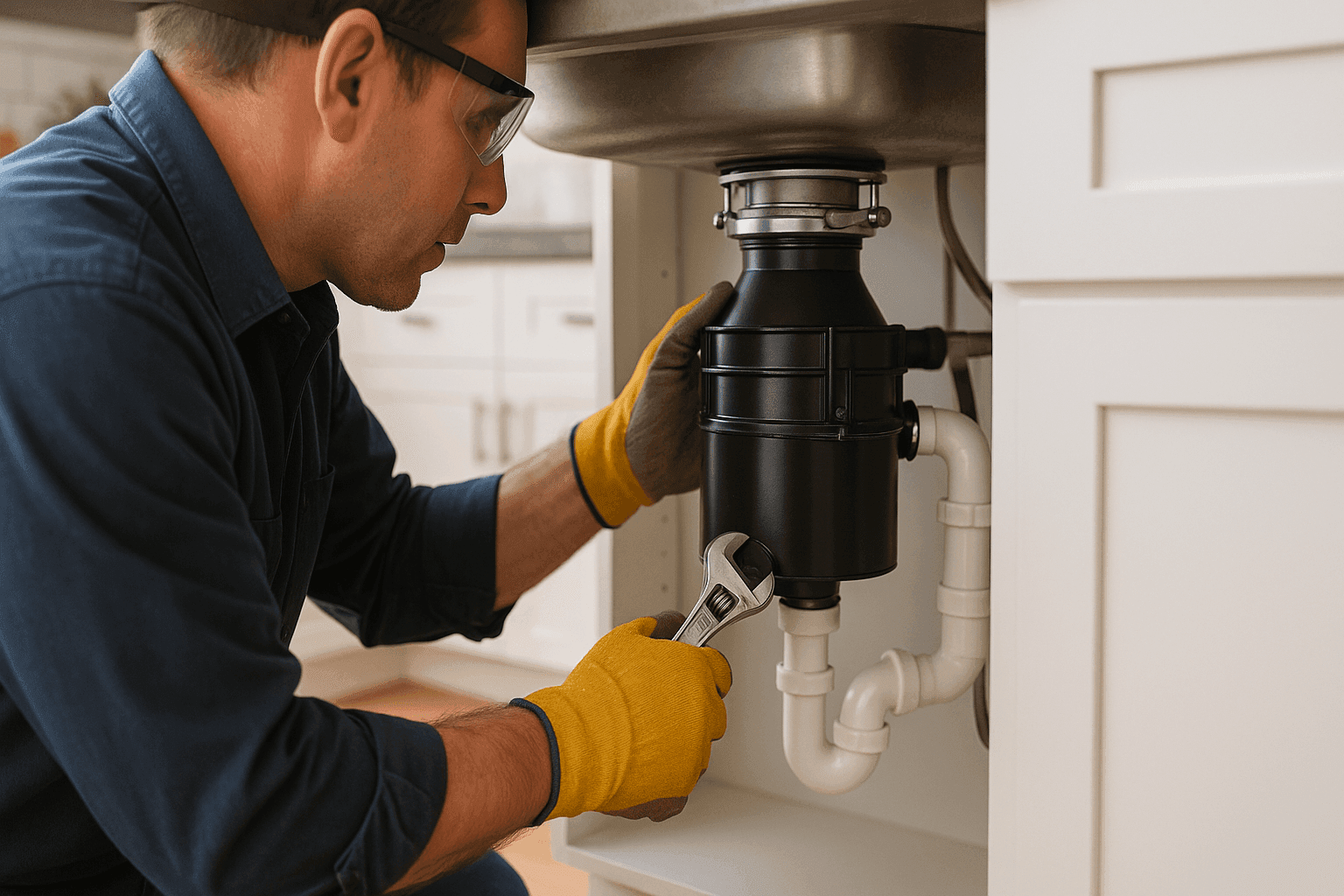
Garbage disposals are one of those under-sink heroes you rarely think about—until one day, it grinds to a halt or starts leaking on your kitchen floor. For homes and busy commercial kitchens alike, a broken disposal can turn meal prep into a real mess. When things go wrong, you need answers fast. And you need them safely.
At Sarum Plumbing, we know the ins and outs of garbage disposal repair, from basic jams to full replacements. If you’re searching for emergency plumbing or just practical maintenance, you’re in the right spot.
Common Garbage Disposal Problems 🛠️
Garbage disposals work hard. But even the sturdiest models can struggle if treated like a trash can or used with the wrong foods. Here are the most common headaches:
- Jams: Silverware, bones, or fibrous veggies (think celery) can block the blades.
- Clogs: Grease, coffee grounds, or stringy waste build up and slow the drain.
- Leaks: Loose connections, cracked housings, or worn seals drip water under your sink.
- Strange noises: Grinding, humming, or rattling can hint at a jam or loose part.
- Complete silence: When you flip the switch and hear nothing, you might have an electrical issue, a tripped reset button, or a failed motor.
For commercial kitchens, these problems multiply fast. A stuck disposal can grind service to a halt and lead to bigger plumbing issues down the line.
DIY Troubleshooting Steps
Before you call for emergency plumbing, try these steps—but always keep safety first.
1. Check for Power
- Make sure the disposal is plugged in.
- Hit the reset button (usually a red button underneath the unit).
- Check your circuit breaker if there’s still no response.
2. Unjam the Blades
- Turn off the power at the breaker. Never trust the wall switch alone.
- Use a wooden spoon or the disposal’s jam key (never your hand!) to turn the blades from underneath.
- Remove any visible debris with pliers or tongs.
3. Clear Minor Clogs
- Run cold water, then turn on the disposal.
- If water drains slowly, use a plunger on the sink—never chemical drain cleaners; they can damage pipes and the disposal.
4. Inspect for Leaks
- Run water and check for drips from the disposal body or connections.
- Tighten mounting bolts or hose clamps as needed.
If you hear humming but no grinding, the flywheel may be stuck. If you smell burning, turn off everything—your motor could be at risk.
Safety Precautions
Every year, people end up in emergency rooms from garbage disposal injuries. The rules are simple but critical.
- Never put your hand in the disposal. Even powered off, blades can move suddenly.
- Turn off the breaker before repairs. Wall switches aren’t enough; always cut power at the source.
- Don’t use chemical drain cleaners. They produce toxic fumes and can corrode your system.
- Avoid water near electrical connections. Drips or leaks near outlets are a major hazard.
- Know what stays out: No bones, pits, shells, grease, fibrous veggies, or expandable foods (rice, pasta).
For commercial kitchens, make sure all team members know these ground rules. Safety is a team sport.
When to Call a Pro
Some fixes are best left to the experts. Calling an emergency plumbing service like Sarum Plumbing is the safest bet when:
- The disposal is leaking from the bottom (often a sign of a cracked housing)
- You smell smoke or see sparks
- Resetting or unjamming doesn’t work
- The unit trips your breaker repeatedly
- There are loud grinding noises with no obvious jam
- You have standing water or sewage odors in the sink
If your disposal is over 10 years old, it may be more cost-effective to replace than repair. We’ve seen disposals limp along for years, but sometimes a fresh start is the wisest move—especially in commercial kitchens where downtime is costly.
Disposal Maintenance Tips
A little care keeps your disposal running smoother, longer.
- Run cold water during and after use to flush debris down the drain.
- Feed waste slowly. Don’t overload the disposal—let it chew in small bites.
- Regular cleaning: Grind a few ice cubes and citrus peels each month to help clean blades and control odors.
- Avoid fat, oil, and grease. These solidify and clog pipes over time.
- Don’t grind hard items: Chicken bones, fruit pits, and seafood shells can snap blades or seize the motor.
- Keep an eye on drain speed. If water pools or drains slowly, address it early.
For commercial kitchens, schedule routine inspections—catching minor issues before they become emergencies.
Electrical Safety: The Non-Negotiable
Garbage disposals combine water and electricity—a risky mix. The National Electrical Code (NEC) requires disposals to be on a dedicated circuit and protected by a grounded outlet. If you spot frayed wires, loose outlets, or repeated breaker trips, call a licensed professional immediately.
What Not to Put in Your Disposal
Think of your disposal as a hungry but picky pet. Treat it right, and it’ll serve you well.
- No grease or oil: They cool and turn to sludge.
- No fibrous veggies: Celery, corn husks, onion skins bind the blades.
- No expandable foods: Pasta, rice, bread swell and clog your pipes.
- No bones or shells: They’re too tough for blades and motors.
- No non-food items: Plastic, glass, or metal can wreck the works.
When Replacement Makes Sense
Disposals don’t last forever. Signs it’s time for a new one:
- Frequent leaks or clogs, even after repairs
- Persistent bad smells that cleaning won’t fix
- Grinding noises or sluggish operation
- Age: Over 10–12 years old
For heavy-use commercial kitchens, earlier replacement may be wise—constant repairs eat into your bottom line.
FAQ
How do I reset my garbage disposal?
Find the red reset button underneath the unit. Press it firmly. If the disposal still won’t start, check the power supply and breaker.
Why does my disposal smell bad?
Leftover food scraps can cling to blades and housing. Run ice cubes and lemon peels to help knock debris loose and freshen the scent.
Is it safe to use hot water while running my disposal?
Stick to cold water. Hot water can melt fats, which then cool and harden further down the pipe, causing clogs.
Can I put potato peels in my disposal?
Better not. Starchy peels turn into a sticky paste, clogging both residential and commercial kitchen drains.
Local and Seasonal Considerations
If you live in an area with hard water, scale can build up on disposal parts and pipes, reducing efficiency. After holiday feasts or busy restaurant weekends, give your disposal extra attention—big meals mean more scraps and a higher risk of jams.
During winter, pipes under the sink may be colder, leading to faster solidification of grease. Always follow disposal guidelines, especially when kitchen traffic is high.
Ready for Fast, Reliable Help?
Garbage disposal problems can strike anytime, slowing your home or business. If simple fixes don’t work or safety is at stake, don’t wait. Sarum Plumbing offers emergency plumbing, pipe installation near you, and full kitchen plumbing support—day or night.
Call Sarum Plumbing now — or reach us anytime at 888-344-8562 .