Complete Guide to Drain Cleaning: DIY and Professional Solutions
Blocked drains rarely happen at the "right" moment. Whether it’s a home kitchen or a busy office restroom, a slow drain can bring life—or business—to a halt. At Sarum Plumbing, we’ve seen it all, from mystery gurgles to full-blown overflows at midnight.
This complete guide arms you with real-world drain cleaning solutions. Know when to reach for a plunger, when to step back for safety, and when to call for emergency plumbing help. Both residential and commercial tips included.
Common Causes of Drain Clogs 🛑
Clogged drains are like traffic jams—one little backup, and everything stops. Here’s what usually causes the gridlock:
- Hair & Soap Scum
In showers and bathroom sinks, hair binds with soap, forming tough knots. - Grease & Food Waste
Kitchens are notorious for oily residues and food scraps that harden inside pipes. - Foreign Objects
Toys, wipes, napkins—especially in commercial restrooms—can cause instant blockages. - Mineral Buildup
Hard water deposits line pipes over months or years, restricting flow. - Tree Roots
In older properties, roots sneak into sewer lines through tiny cracks. - Aging Pipes
Corroded or collapsed pipes can slow or stop water altogether.
Residential drains usually see hair, soap, and food. Commercial properties face everything from paper towels to grease clogs in restaurant kitchens.
Safe DIY Cleaning Methods
Fixing a drain yourself can be tempting. But it’s not always a simple splash-and-go. Here’s what you can try—safely—before calling for backup.
Tools You’ll Need
- Plunger (cup-style for sinks, flange for toilets)
- Drain snake (hand-crank for home use)
- Rubber gloves
- Old towels or bucket
- Flashlight
Steps for Most Drains
- Clear the Area: Remove standing water with a small cup or bucket.
- Plunge Away:
- For sinks: Fill with enough water to cover the plunger cup, then pump vigorously.
- For toilets: Use a flange plunger for a tight seal.
- Try a Drain Snake:
- Insert gently, twist and push until you feel resistance, then pull debris free.
- Hot Water Flush:
- Carefully pour boiling water (not for PVC pipes) to break up grease.
- Baking Soda & Vinegar:
- Pour 1/2 cup baking soda, then 1/2 cup vinegar. Wait 10 minutes, flush with hot water.
Safety Warnings
- Never mix commercial drain cleaners—chemical reactions can be dangerous.
- Wear gloves and eye protection.
- Don’t force a snake; you may damage pipes.
- If water rises or won’t drain at all, stop—this could signal a bigger issue.
Reference: The International Association of Plumbing and Mechanical Officials (IAPMO) recommends non-corrosive, mechanical methods as first steps.
When to Call a Pro
Sometimes, DIY just won’t cut it. Here’s when you need Sarum Plumbing’s emergency plumbing expertise:
- Water backs up in other fixtures (sink backs up into tub).
- Sewage odor or visible waste.
- Repeated clogs in the same drain.
- Gurgling sounds from pipes after use.
- Water stains, wet spots, or mold near drains.
- DIY methods make things worse.
These are red flags. Hidden pipe damage, deep blockages, or sewer line issues need pro tools and knowledge.
The Professional Drain Cleaning Process 🚚
When a Sarum Plumbing team arrives, it’s not just a quick fix. Here’s what you can expect for both homes and businesses:
1. Full Assessment
- Inspect fixtures, listen for unusual sounds.
- Use video cameras for sewer line inspection.
- Identify the type and location of clog.
2. Advanced Tools
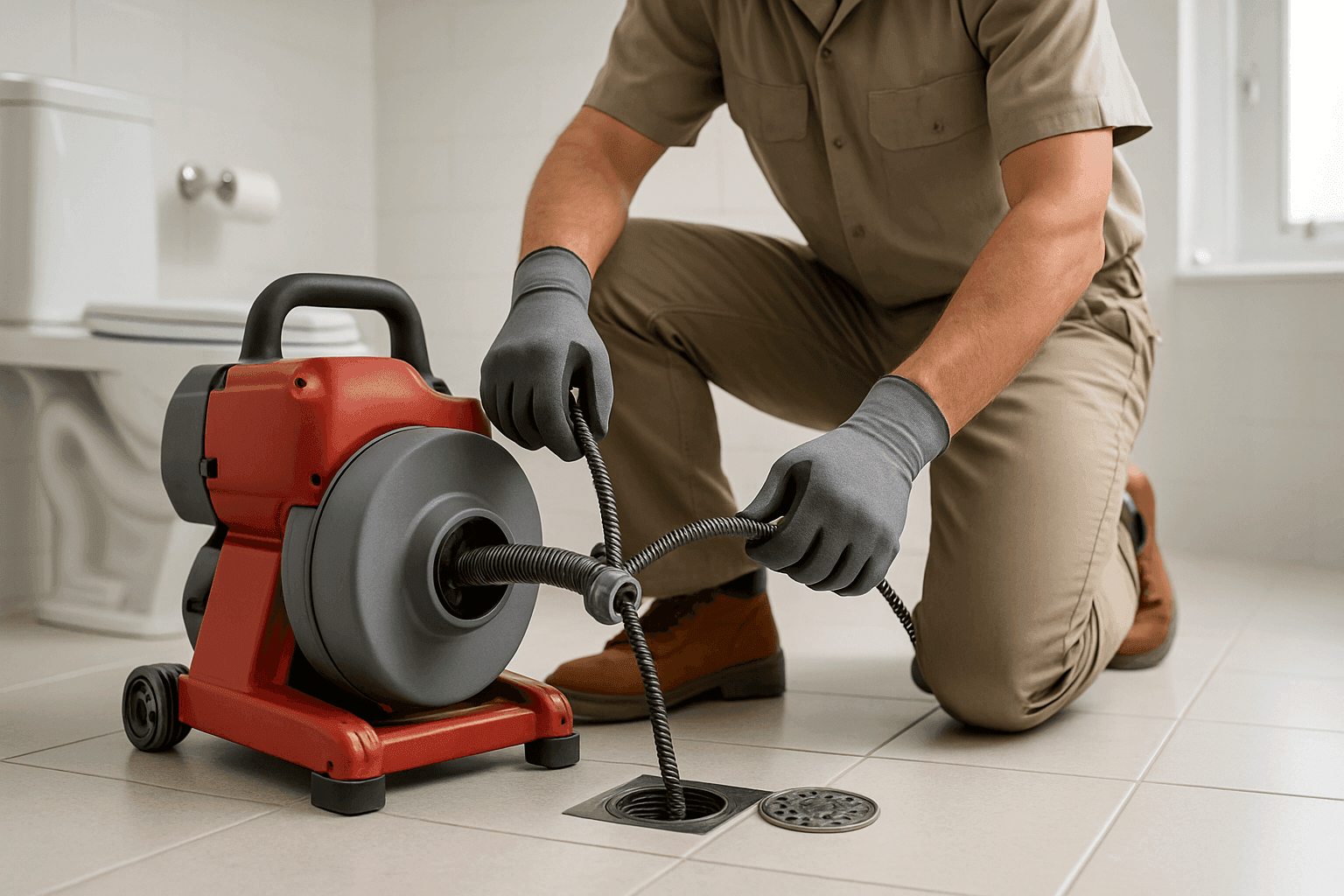
- Motorized Drain Augers: Reach deep, break up roots or tough clogs.
- Hydro Jetting: High-pressure water cleans entire pipe walls (especially effective for commercial kitchens).
- Pipe Locators: Find hidden breaks or misaligned pipes.
3. Safe, Code-Compliant Solutions
- All work follows local plumbing codes and safety regulations.
- No harsh chemicals that could corrode pipes or harm the environment.
4. Testing & Cleanup
- Run fixtures to ensure complete flow.
- Clean up work areas—no mess left behind.
Reference: The Uniform Plumbing Code (UPC) outlines best practices for safe drain cleaning and pipe installation near you.
Preventing Future Clogs
A little prevention beats a late-night emergency call. Here’s how to keep drains flowing smoothly:
- Strainers: Install on all sinks, tubs, and commercial kitchen drains.
- No Grease Down the Drain: Wipe pans with paper towels before washing.
- Regular Hot Water Flushes: Once a week, pour hot (not boiling) water down drains.
- Dispose of Waste Properly: Only flush toilet paper—no wipes, feminine products, or paper towels.
- Schedule Preventative Maintenance: Annual inspections for homes; quarterly for busy businesses.
Educate staff and family. One careless flush can lead to chaos.
DIY vs. Professional Methods: A Quick Comparison
DIY Methods:
- Best for minor, shallow clogs.
- Inexpensive tools—plunger, hand snake.
- No guarantee of full clearance.
- Risk of pipe damage if used incorrectly.
- Won’t help with deep or recurring issues.
Professional Methods:
- Can handle any clog—deep, stubborn, or greasy.
- Tools: motorized augers, hydro jetting, cameras.
- Identifies root causes, not just symptoms.
- Safer for pipes, follows codes.
- Costs more, but resolves the underlying problem.
Think of DIY like using a broom for a spill. Call Sarum Plumbing when the basement’s flooding.
Practical Tips for Both Homes and Businesses 🏢
- Kitchen: Scrape plates into the trash, not the sink.
- Bathroom: Brush hair before showering to minimize what goes down the drain.
- Commercial: Post signage in restrooms about what not to flush.
- Regular checks: Look under sinks and near water heaters for leaks or slow drains.
Costs & Time Factors
- DIY methods: $5–$50 in tools, 10–60 minutes.
- Professional cleaning: Varies by severity and location—residential jobs may take 1–2 hours; commercial blockages or sewer line work can take several hours.
- Prevention: Annual or quarterly maintenance is a small investment compared to emergency repairs.
When It’s an Emergency
Some situations can’t wait. Call for emergency plumbing if:
- Water or sewage is overflowing.
- Multiple drains back up at once.
- Flooding near electrical outlets or appliances.
- You suspect a burst pipe or major leak.
Quick action protects property and health. Don’t risk it—professional help is critical.
FAQ
Q: How often should I clean my drains?
A: Monthly for homes, more often for busy commercial kitchens or public restrooms.
Q: Are chemical drain cleaners safe?
A: Most are harsh; they can damage pipes and harm the environment. Use mechanical tools or call a pro.
Q: Why do clogs keep coming back?
A: There could be a deeper issue—tree roots, pipe collapse, or buildup far down the line.
Q: Can I use a plunger on any drain?
A: Use the right type: cup for sinks, flange for toilets. Always ensure a tight seal.
Local and Seasonal Considerations
- Winter: Pipes can freeze and crack, leading to hidden leaks and clogs.
- Spring: Heavy rains may overwhelm older sewer lines—watch for slow drains.
- Commercial properties: High-traffic restrooms and kitchens need more frequent checks, especially before and after busy seasons.
Following local plumbing codes and scheduling regular preventative maintenance helps everyone stay ahead of trouble.
Got a stubborn clog? Unsure if it’s just a small hiccup or a bigger threat? Sarum Plumbing is on call for homes, businesses, and emergencies.
Call Sarum Plumbing now — or reach us anytime at 888-344-8562 .