Boiler Repair and Maintenance: How to Avoid Winter Breakdowns
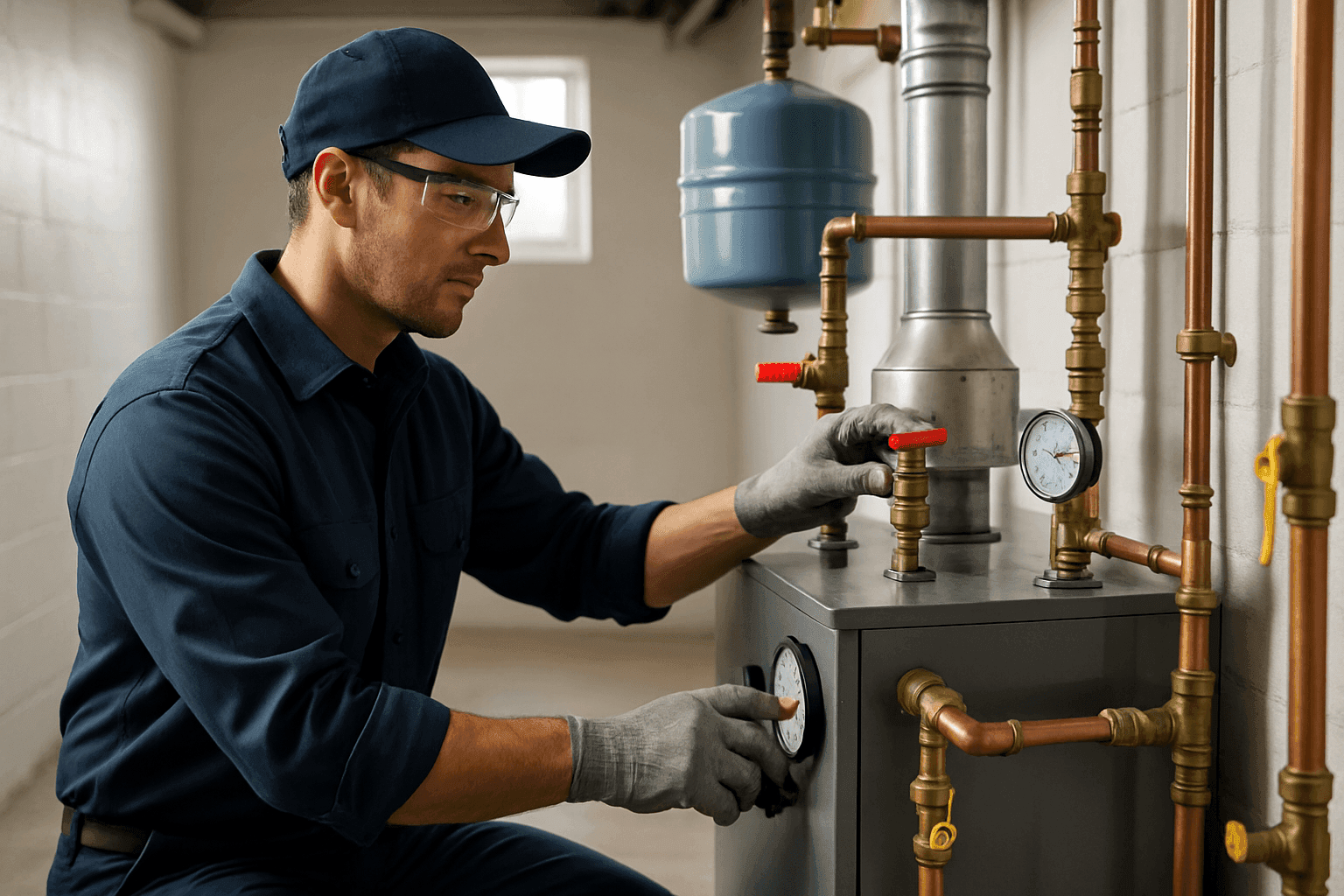
Winter chills creep in fast. The last thing any homeowner or business wants is a boiler breakdown when the temperature drops. At Sarum Plumbing, we've seen too many frozen pipes and cold offices that could have been prevented. Whether you’re managing a bustling restaurant or keeping your family cozy at home, a reliable boiler is your winter MVP.
Our team handles everything from emergency plumbing to water heater repair and pipe installation near you—24/7. Let’s walk through how to keep your boiler humming all winter, without the drama.
Common Boiler Problems
Boilers work hard in winter. When things go wrong, they rarely whisper—a broken boiler shouts. Here’s what we see most often:
- No Heat or Hot Water: Usually a faulty thermostat, broken diaphragm, or airlock.
- Strange Noises: Kettling, banging, or whistling can signal limescale build-up or low water pressure.
- Leaks and Drips: Corroded pipes, broken seals, or pressure issues are frequent culprits.
- Pilot Light Goes Out: Could be a thermocouple problem or gas supply issue.
- Low Pressure: Often from leaks or recently bled radiators.
- Radiators Not Heating Evenly: Sludge or air trapped in the system.
Think of your boiler like a heart. If it’s skipping beats or making odd noises, it needs attention—fast. Even small issues can lead to big, expensive emergencies.
Importance of Annual Maintenance 🛠️
Imagine driving a car for years without an oil change. Boilers need regular checkups too. Annual maintenance by a licensed pro is not just a box to tick—it’s a money saver and a lifesaver.
- Safety Checks: Certified plumbers ensure gas lines, connections, and venting are secure, as outlined in Gas Safe Register guidelines.
- Efficiency: A well-maintained boiler uses less fuel and heats faster, saving you money.
- Catch Problems Early: Leaks, weak seals, and pressure issues get fixed before they cause damage.
- Stay Legal: Commercial properties especially must comply with local building codes and safety laws.
Regular service also protects your investment. Boilers aren’t cheap, and a little preventative maintenance goes a long way toward a long, healthy life for your heating system.
DIY Checks vs Professional Service
You can do some basic checks. But know your limits—boilers mix heat, water, and sometimes gas. It’s not the place for guesswork.
What You Can Do
- Check Boiler Pressure: Most should read 1-2 bars. If it’s low, top up as the manual suggests.
- Bleed Radiators: If they’re cold at the top, air is trapped. Use a radiator key and a towel.
- Look for Leaks: Small drips under the unit or from pipes? Note them and call for help.
- Listen: Clanking or gurgling? Take it as a warning sign.
When to Call in Pros
- Smell Gas: Evacuate and call emergency plumbing services immediately.
- Frequent Pressure Drops: Could mean a hidden leak or failing component.
- No Hot Water/Heat: If resetting the boiler doesn’t help, you need a technician.
- Electrical Issues: Flickering displays or tripped breakers? Leave it to licensed professionals.
Signs Your Boiler Needs Repair
Boilers rarely fail without warning. Watch for these red flags:
- Unusual noises: Banging, clanking, or whistling.
- Water pooling: Any sign of leaks around the unit.
- No heat: Obvious, but sometimes overlooked if only one radiator is cold.
- Odd smells: Burning, musty, or gas odors require immediate attention.
- Error codes: Modern boilers display error codes—don’t ignore them.
If you notice any of these, don’t wait. Procrastination turns small repairs into big emergencies.
Preparing Your Boiler for Winter ❄️
Winter is the Superbowl for boilers. Here’s how to get yours ready:
Winterization Checklist
- Schedule Professional Maintenance: Book annual service before the first freeze.
- Test Early: Run your boiler for an hour before cold weather hits.
- Check Vents & Flues: Make sure nothing is blocked—birds’ nests and leaves are common culprits.
- Insulate Pipes: Lagging prevents frozen pipes, especially in unheated areas.
- Check Thermostat Settings: Make sure it’s responding and accurate.
- Bleed All Radiators: Ensure heat circulates evenly.
- Clear the Area: Keep storage and clutter away from your boiler for easy access and safety.
A little prep now pays off all winter.
How Regular Service Saves Money
Think of boiler maintenance like a flu shot for your building. An annual checkup:
- Reduces energy bills: Clean, tuned boilers burn less fuel.
- Extends system life: Small fixes now prevent big failures later.
- Prevents water damage: Early leak detection means less risk of costly repairs or mold.
- Avoids emergency plumbing fees: Breakdowns on a freezing night cost more than a scheduled service.
According to the Building Services Research and Information Association, regular boiler maintenance can cut breakdown risk by over 60%. That’s not just good sense—it’s good economics.
Safety Checks for Commercial & Residential Settings
Whether it’s your home or business, safety comes first. Here’s what our certified plumbers look for:
- Gas Safety: Check for leaks, proper ventilation, and correct gas pressure.
- Carbon Monoxide Testing: Ensure no poisonous gas escapes into living or working spaces.
- Electrical Connections: Inspect for corrosion or damaged wires.
- Water Pressure: Confirm system holds steady pressure.
- Backflow Prevention: Test valves to keep dirty water from contaminating clean supply.
For commercial buildings, compliance with local health and safety codes is essential. Our team stays current with all regulations.
DIY vs. Professional Boiler Service
It’s tempting to handle boiler issues yourself, but some lines shouldn’t be crossed. If you’re not trained, you’re risking more than just a cold night.
DIY Tasks
- Resetting the unit if it shuts down.
- Checking for obvious leaks.
- Bleeding radiators.
Call in the Pros
- Replacing parts.
- Diagnosing error codes.
- Handling gas or electrical components.
Remember, poorly repaired boilers can be dangerous. Always use a certified technician for anything beyond basic upkeep.
What to Expect When a Pro Arrives
Here’s what happens when you call Sarum Plumbing for boiler service or emergency plumbing:
- Inspection: Visual and diagnostic checks for leaks, corrosion, and wear.
- Testing: Pressure, thermostat, and safety device tests.
- Cleaning: Removal of limescale and sludge buildup.
- Repairs: Swap out faulty parts and tighten loose connections.
- Documentation: Records for your warranty and insurance.
We always explain what we’re doing and why—no jargon, just clear info.
Prevention & Maintenance
Stay ahead of trouble. Here’s how:
- Annual Service: Don’t skip it. Schedule before winter.
- Monitor Pressure: Monthly checks help catch problems early.
- Keep Vents Clear: Ensure nothing blocks airflow.
- Insulate Pipes: Especially in garages or basements.
- Address Small Issues Fast: Tiny leaks become big headaches.
Boiler maintenance is an investment in comfort and safety.
Costs & Time Factors
Boiler repairs and maintenance range in price and time, depending on the issue.
- Minor Repairs: Fixing leaks or replacing valves can take 1–2 hours.
- Major Repairs: Replacing heat exchangers or pumps takes longer, sometimes a full day.
- Annual Maintenance: Typically completed within 1–2 hours, depending on system size.
Remember, emergency plumbing calls—especially during winter peaks—may take longer due to high demand.
When It’s an Emergency 🚨
Some situations just can’t wait:
- Water pouring out of your boiler or pipes
- No heat on a freezing night
- Smell of gas or burning
- Carbon monoxide alarm activation
If you’re ever in doubt, treat it as an emergency. Call immediately and keep everyone safe.
FAQ
Q: How often should I service my boiler?
A: Once a year, ideally before winter starts.
Q: Can I fix a leaking boiler myself?
A: Small leaks can be monitored, but repairs should be handled by a licensed technician.
Q: What’s the lifespan of a boiler?
A: Most last 10–15 years with proper maintenance.
Q: Is preventative maintenance required by law?
A: For commercial properties, regular inspections are often required. Always check your local building regulations.
Local and Seasonal Considerations
Cold snaps don’t wait for your schedule. In areas prone to deep freezes, pipes and boilers need extra care. Insulate exposed pipes and schedule service early in the season. For businesses, pre-winter checks are crucial—downtime means lost revenue.
Whether you’re at home or managing a busy property, Sarum Plumbing is always ready for emergency plumbing needs, water heater repair, pipe installation near you, and more.
Call Sarum Plumbing now — or reach us anytime at 888-344-8562 .