Bathroom Plumbing Upgrades: Value, Efficiency, and Design Tips
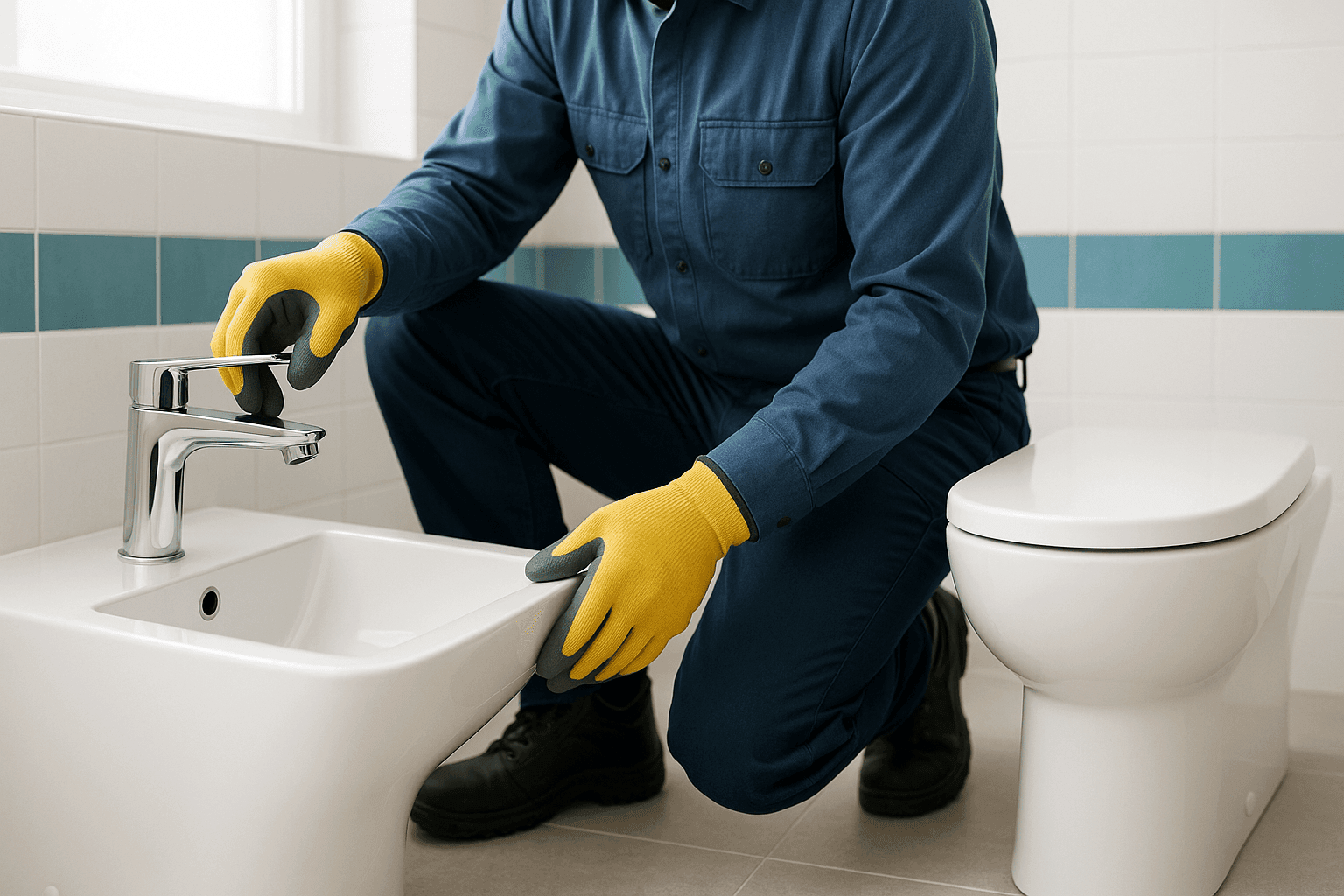
When you walk into a bathroom, what do you see first? Shiny fixtures? Clean lines? Or water swirling down the drain without a second thought? For most, a bathroom is just another room. But for any homeowner or business owner, it’s the heartbeat of daily routines—and a prime spot where small changes can spark major savings.
If your bathroom feels stuck in the past, or you’re tired of sky-high water bills, you’re not alone. Sarum Plumbing has helped families and businesses transform their restrooms—sometimes overnight. We know what works, what lasts, and what’s worth your hard-earned money.
Key Plumbing Upgrades: Low-Flow, Touchless, and Smart Fixtures 🚿
The modern bathroom isn’t just about looks. It’s about efficiency, hygiene, and ease of use. Here’s where to start:
Low-Flow Fixtures
- Low-flow toilets & urinals: These use as little as 1.28 gallons per flush (compared to older models at 3–6 gallons). The EPA’s WaterSense program says switching saves thousands of gallons per year.
- Low-flow showerheads: Feel just as refreshing, but use up to 50% less water.
- Faucet aerators: Simple, affordable, and cut flow without hurting performance.
Before/After: One Wiltshire café upgraded all toilets to low-flow models. The monthly water bill dropped by 35%—enough to buy a new espresso machine.
Touchless Controls
Wave your hand, and the water flows. No more sticky handles or germs. Touchless tech is huge for commercial restrooms and increasingly common at home. Think automatic sinks, sensor-flush toilets, and even soap dispensers.
Efficiency boost: Less wasted water (kids and customers can’t leave the tap running), and a cleaner, safer space—especially important in post-pandemic times.
Smart Bathroom Tech
- Leak-detecting sensors: Catch drips before they become disasters.
- Programmable showers: Set temps, timers, and even music.
- App-connected water monitors: Spot spikes in usage, track savings, or get alerts in case of emergencies.
Real-world win: A local gym manager caught a hidden leak behind a wall—saving thousands in potential damage, all thanks to a simple sensor.
Planning a Remodel: Steps for Success
Bathroom upgrades can be as small as swapping a faucet or as complex as a full remodel. Here’s how to set yourself up for smooth sailing:
- Assess your needs. Is this a high-traffic commercial restroom or a quiet home ensuite? Priorities differ.
- Set a realistic budget. Factor in fixtures, labor, and a buffer for surprises. No one likes unexpected costs.
- Prioritize efficiency. Invest in upgrades that trim your water bill and boost comfort.
- Understand local codes. Building regulations, accessibility standards (like the Equality Act for businesses), and water efficiency rules all matter. The UK Building Regulations, for example, set specific flow rates and safety standards.
- Design for today—and tomorrow. Trends come and go, but sturdy, timeless fixtures rarely disappoint.
Design trend: Matte black taps, floating vanities, and hidden cisterns are in. But don’t let style outweigh function—choose fixtures that are easy to clean, durable, and reliable.
Cost vs Value: Where to Spend (and Save)
Upgrading bathroom plumbing can feel like a game of snakes and ladders. Some moves pay off big; others, not so much.
- High-value investments:
- Low-flow toilets and faucets
- Leak detection systems
- Quality pipe installation near you (prevents future headaches)
- Nice-to-haves, but not urgent: Rainfall showers, smart mirrors, heated towel rails
Efficiency Savings
Swapping old fixtures for WaterSense-certified gear can slice water usage by 20–60%. For a busy restaurant, that’s hundreds of pounds a year. For a family, it’s enough for a weekend getaway.
Hidden value: Modern plumbing upgrades increase property value and make your space more attractive—especially in competitive rental or commercial markets.
Common Design Mistakes to Avoid 🚫
A beautiful bathroom can turn ugly fast if the plumbing isn’t up to scratch. Here’s what we see too often:
- Ignoring access panels. Make sure shut-off valves and traps are easy to reach.
- Squeezing in oversized fixtures. Leave enough room to move—especially in small or shared restrooms.
- Choosing style over substance. Fancy taps that leak, or sinks that stain, won’t impress anyone for long.
- Skipping professional installation. DIY gone wrong leads to leaks, mould, or even emergency plumbing calls in the middle of the night.
- Bad lighting over sinks and mirrors. You want to see what you’re doing, not squint in the shadows.
Before/After: A hotel owner replaced all old pipes and leaky fixtures with new, code-compliant gear. Not only did guest complaints drop, but online ratings improved.
Hiring the Right Plumber: What to Look For 🛠️
Finding the right plumbing team isn’t just about fast fixes. It’s about safety, compliance, and peace of mind.
- Licensing & insurance: Always check credentials. In the UK, look for Gas Safe registration for any gas line installation or boiler repair.
- Transparent quotes: Good plumbers explain costs and options up front—no nasty surprises.
- Experience with your type of project: Commercial restrooms and home bathrooms have different needs.
- Emergency plumbing readiness: Will they pick up the phone at midnight? Fast response can save you thousands in damage.
- References and reviews: Ask around or check trusted online sources (like the Chartered Institute of Plumbing and Heating Engineering) for feedback.
Tip: Don’t be afraid to ask about previous jobs or see before-and-after photos.
Before & After: Real-World Bathroom Upgrades
Homeowner Example
Before: Dated pink tiles, single-flush toilet, and an old tap that dripped all night.
After: Sleek grey walls, dual-flush toilet, water-saving fixtures, and under-sink leak sensors. The family cut their water bill by 30% and gained a bathroom that feels fresh every morning.
Commercial Example
Before: High-traffic office restroom with constant leaks, outdated urinals, and daily complaints.
After: All-new touchless fixtures, smart water meters, and robust pipe installation. Maintenance calls plummeted, and the company highlighted its eco-credentials in marketing materials.
Practical Tips for Homeowners & Businesses
- Test water pressure: Low flow can mean hidden leaks or clogs.
- Check for hard water: Limescale buildup shortens fixture life; consider water filtration systems if needed.
- Schedule preventative maintenance: Annual checks from a qualified plumber can spot trouble early.
- Don’t ignore small drips: A single dripping tap can waste thousands of litres a year.
Frequently Asked Questions
How long does a bathroom plumbing upgrade take?
Most fixture swaps are done in a day. Full remodels can take a week or more, depending on complexity and drying times.
Is it worth upgrading pipes during a bathroom remodel?
If your home or business is more than 30 years old, repiping can prevent future leaks and water damage. Modern materials (like PEX or copper) last longer and are less prone to corrosion.
Will I need permits or inspections?
Usually, yes. Major work—like moving pipes or installing new water heaters—must meet building codes. A good plumber will handle the paperwork.
What about eco-friendly upgrades?
Look for WaterSense labels, and consider touchless and smart tech for maximum savings and hygiene.
Know When to Call for Emergency Plumbing
Burst pipes. Overflowing toilets. Sudden loss of hot water.
Some problems can’t wait. If water is gushing or you smell gas, shut off the supply and call for emergency plumbing right away. Quick action saves money, property, and sometimes even lives.
Key Takeaways for Any Bathroom Upgrade
- Focus on efficiency and durability.
- Don’t let looks trump performance.
- Plan ahead and get the right team.
- Regular maintenance beats costly repairs.
- Great plumbing pays you back—month after month.
Ready to see what your bathroom could become? Need reliable pipe installation near you, or fast help in an emergency?
Call Sarum Plumbing now — or reach us anytime at 888-344-8562 .